
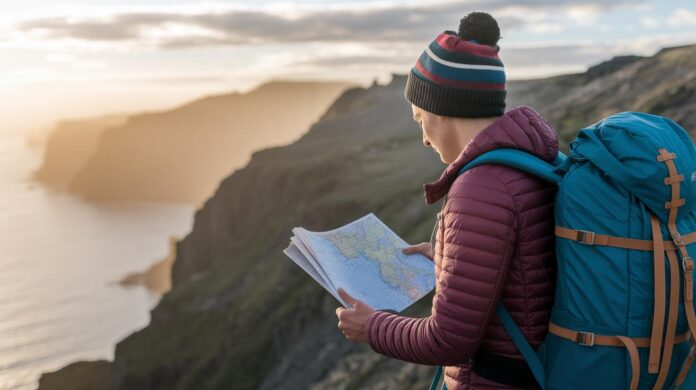
Ever wonder what lies off the usual path? Remote places give you a mix of untouched nature and real local culture. Picture small planes landing in snowy outposts, supply ships visiting far-off islands each month, or boats that let you live aboard near glowing coral reefs. These hidden gems offer quiet charm and a peek at a way of life that’s far from busy tourist spots. In this guide, we share top remote travel spots and clear tips on how to get there.
Signature Remote Destinations: Quick Highlights
-
Ittoqqortoormiit – Located in the Arctic, this remote outpost lets you see polar bears near the world's largest fjord system. You can only reach it by small aircraft or boat during the summer. It offers a wild, untouched vibe that is both exciting and tough to access.
-
Pitcairn Islands – These islands lie about 2,000 km (1,240 miles) from the nearest inhabited land. They offer a private retreat with only a monthly supply ship for access. This isolation gives the islands a mysterious atmosphere and a lifestyle steeped in maritime lore.
-
Foula, Shetlands – Perched on rugged cliffs with Norse roots, Foula offers dramatic views and a very remote feel. You can visit using a weekly ferry or a helicopter ride. Its unique setting and quiet charm make it a true hidden gem.
-
Rapa Nui, Chile – Also called Easter Island, this volcanic island sits 3,700 km (2,300 miles) offshore and is famous for its Moai statues. Steeped in ancient history, you can reach the island via scheduled flights from Chile or Tahiti.
-
Raja Ampat, Indonesia – Renowned for its clear coral reefs and village homestays, Raja Ampat is a marine paradise. Access requires a liveaboard boat, which adds a touch of adventure to exploring its rich natural beauty.
Planning Logistics for Remote Travel Destinations

Planning a trip to a remote spot means you must study your options carefully. Each destination has its own way in. For example, reaching Ittoqqortoormiit might mean flying in a small aircraft or catching a summer boat. Pitcairn, on the other hand, usually needs a monthly supply ship or a special charter flight. Foula is served by a weekly ferry and sometimes a helicopter, while Rapa Nui gets scheduled flights from Santiago or Tahiti. Raja Ampat is best reached by liveaboard vessels. In other places like Karakalpakstan, you might have to drive off-road or join a camel caravan, and the vast Australian Outback often means taking a 4WD track. If you’re considering a high-altitude trek like the route to Mount Kailash, you’ll need strong endurance, proper permits, and a local guide.
Every leg of your journey should be planned with care. Check seasonal windows and know the visa or permit rules well in advance. Whether you’re visiting a tiny spot on the map or a quiet hideaway, it pays to have backup transport plans and to research all your options. Being ready for unpredictable weather and shifting travel schedules is part of the adventure.
Key logistics to consider include:
- Book flights and charter services early.
- Verify seasonal dates (for example, Arctic summer boat windows).
- Secure local permits and guide services.
- Plan multi-leg itineraries (boat, air, overland).
- Map out fuel and resupply stops.
- Pack specialized gear (like a satellite communicator and cold-weather kit).
- Arrange flexible return options.
Accommodation Options in Remote Travel Destinations
Staying in far-off places gives you a chance to feel the local charm and a quiet peace that busy cities can't match. From family-run guesthouses in Greenland to dome retreats in the Outback, each option lets you live in tune with the local rhythm.
- Guesthouses and Family Inns – These are small, cozy spots run by local families. You can share meals and swap stories by a warm fire, getting a real taste of local life.
- Pilgrim and Basecamp Camps – Often found near holy sites like Mount Kailash, these camps offer simple but essential comforts to support your spiritual trek or nature adventure.
- Island Homestays and Pensions – In places like Pitcairn or Rapa Nui, small lodges offer simple living and personal service so you can enjoy genuine island life.
- Yurt and Eco-Camp Villages – In regions such as Raja Ampat or Karakalpakstan, staying in a yurt or eco-camp lets you embrace nature while keeping your impact light.
- Glamping Domes and Remote Cabins – Whether you are in the Great Smoky Mountains or the Australian Outback, these stylish yet tough lodgings bring you comfort amid wild landscapes.
Safety and Health Advice for Remote Travel Destinations
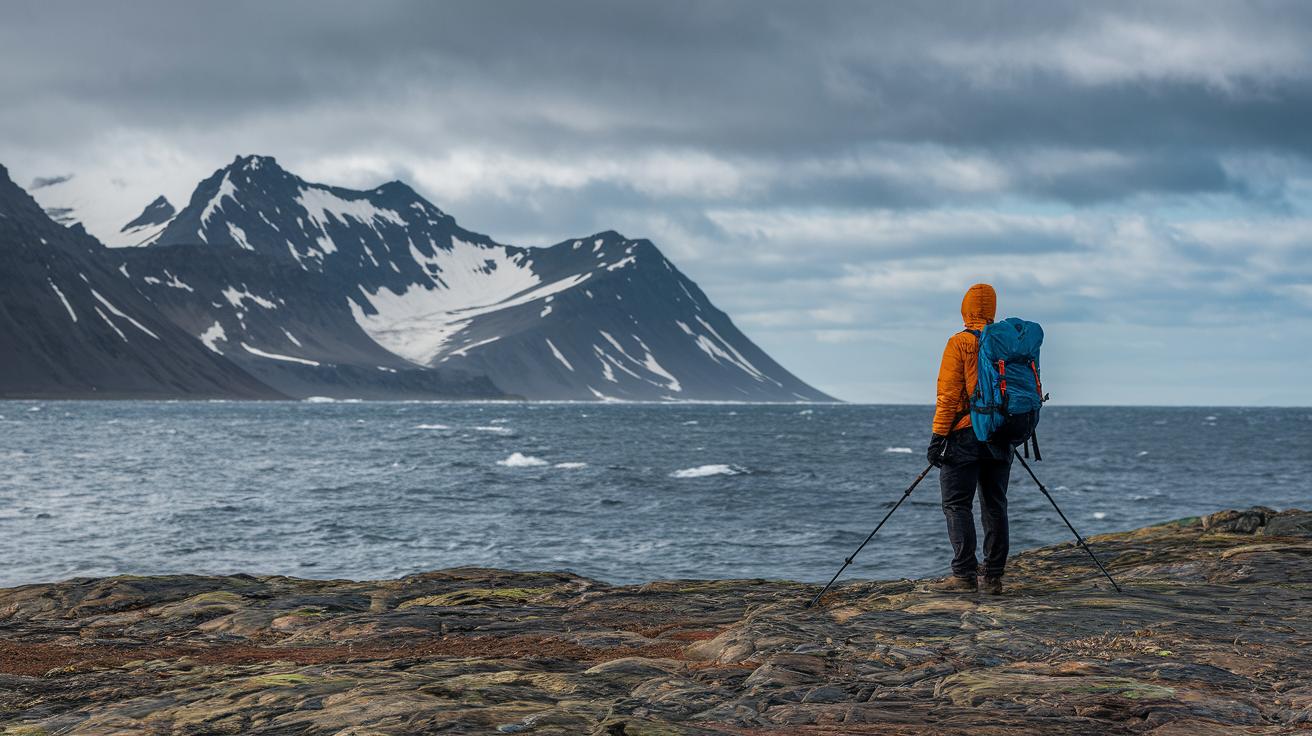
When you head into wild or remote areas, be ready for tough conditions. In these spots, help may be hard to get. You might face polar bears in Greenland, altitude sickness above 18,000 ft on Mount Kailash, or rough seas by Pitcairn. There are also high winds and cold on Foula, strong sun on Rapa Nui, diving risks in Raja Ampat, and extreme heat in the Outback. Being well-prepared with the right medical supplies can make a big difference. Check out a practical travel medical guide for more first-aid tips. Always plan ahead and keep up with local weather updates during your trip.
Key safety tips include:
- Gradually adjust to high altitudes
- Carry a satellite communicator or Personal Locator Beacon (PLB)
- Pack gear for both cold weather and sun protection
- Bring water filters or purification tablets
- Review local wildlife safety tips (see "safety tips for hikers")
- Monitor local weather and sea conditions
These steps can help reduce physical strain and keep you safe from surprises. Whether you’re trekking high in the mountains or diving off a coast, planning ahead makes your adventure safe and enjoyable.
Top Remote Travel Destinations Across the Globe
Looking for wild escapes? These six isolated spots serve up untouched nature and experiences you won't find anywhere else. Imagine exploring icy Arctic lands in Greenland, trekking high in sacred Tibet, or even enjoying life on a private island in the British Pacific. You can also wander rugged Scottish cliffs with ancient Norse ruins, uncover archaeological secrets in Chile, or dive into vibrant marine life in Indonesia. For more off-grid ideas, check out off the beaten track destinations.
| Destination | Region/Country | Highlights | Access Details |
|---|---|---|---|
| Ittoqqortoormiit | Greenland | Polar bears, fjords | Summer charter flight; limited boat |
| Mount Kailash | Tibet | Sacred high-altitude trek | Permit plus guided trek |
| Pitcairn Islands | British Pacific | Private island living | Monthly supply ship; rare flight |
| Foula | Scotland | Birdlife, Norse ruins | Weekly ferry/helicopter |
| Rapa Nui | Chile | Moai statues, archaeology | Charter flights |
| Raja Ampat | Indonesia | Coral reefs, homestays | Liveaboard boat |
For more ideas on hidden scenic spots, visit hidden scenic destinations.
Final Words
In the action, we showcased five signature remote travel spots with quick hooks and clear access tips. We broke down planning steps, detailed varied lodging options, and shared simple health and safety advice. You now have practical tips for booking flights, securing permits, and packing the right gear. The handy table of top destinations also makes comparing places a snap. Use these insights to shape your own trip to remote travel destinations, embrace the experience, and enjoy every step along the way.