
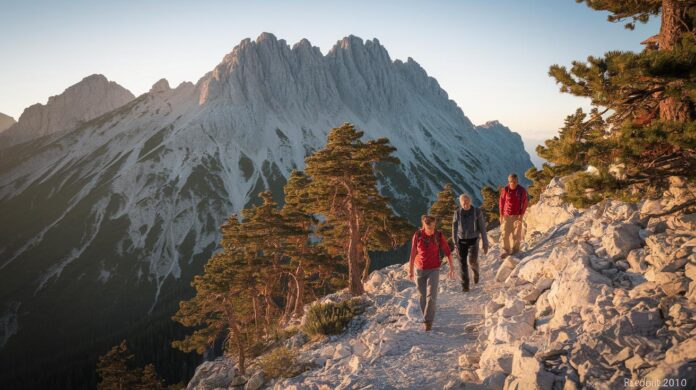
Have you ever considered that a single hike might change your view on adventure? At Rocky Mountain National Park, you will discover trails that offer both a peaceful retreat and an exciting challenge. Whether you decide to enjoy a gentle loop around a quiet lake or take on the steep climb towards Sky Pond, every trail has its own unique story to tell. This guide presents the top routes and essential tips to help ensure that your journey into nature is not only safe but also truly unforgettable.
Comprehensive Rocky Mountain National Park Hiking Trails Overview
Rocky Mountain National Park offers a broad range of hiking experiences. With 15 standout routes available, hikers can select a short, peaceful loop around a lake or challenge themselves with the climb to Longs Peak at 14,259 feet. Whether you are new to hiking or a seasoned explorer, there is a trail that meets your needs. For example, the Bear Lake route is a gentle introduction, while the Sky Pond path tests even the most prepared adventurers.
| Trail Name | Distance | Elevation Gain | Difficulty |
|---|---|---|---|
| Bear Lake | 0.6 mi loop | ~50 ft | Easy |
| Alberta Falls | 1.6 mi RT | 226 ft | Easy |
| Alpine Ridge | ~0.6 mi RT | Minimal | Easy |
| Gem Lake | 3 mi RT | ~100 ft | Easy |
| Ute/Tombstone Ridge | ~1.5 mi loop | ~300 ft | Easy |
| Nymph/Dream/Emerald Lakes | ~3 mi RT | ~300 ft | Moderate |
| Deer Mountain | ~2 mi loop | ~400 ft | Moderate |
| Twin Sisters | ~2.5 mi RT | ~450 ft | Moderate |
| Mills & Black Lakes | ~3 mi loop | ~500 ft | Moderate |
| Sky Pond | 8.6 mi RT | 1,771 ft | Challenging |
Always practice Leave No Trace guidelines to help maintain this beautiful natural setting. Check trail conditions and weather forecasts before leaving, stay on marked paths, and take all trash with you. By minimizing campfire use and enjoying nature responsibly, you can help preserve the park for other visitors and future generations.
Top Easy Rocky Mountain National Park Hiking Trails for Beginners

Beginner-friendly trails in Rocky Mountain National Park offer a warm welcome to novice hikers and families alike. The paths feature gentle terrain and moderate elevation gains so that newcomers can build confidence while taking in breathtaking natural views. Whether you are drawn to the soothing sound of waterfalls or the calm of serene lakes, these routes give you a well-rounded introduction to the park. For example, the Bear Lake Loop stands out as an excellent start with its flat and accessible path that allows you to enjoy a mirror-like lake set against towering peaks. Each trail is selected for its clear markers, manageable distance, and distinct natural features that combine to create both an enjoyable and inspiring hiking experience.
- Bear Lake Loop: 0.6 mi with minimal elevation gain and a flat, easy trail ideal for beginners.
- Alberta Falls Trail: 1.6 mi round-trip with a 226-ft increase, offering a scenic waterfall backdrop.
- Alpine Ridge Trail: 0.6 mi round-trip with a slight elevation gain and refreshing views along the tree line.
- Gem Lake Trail: 3 mi round-trip featuring a 600-ft gain and panoramic views over a granite bowl.
- Sprague Lake Loop: 0.8 mi with very little climb, providing a flat loop with broad views of the Divide.
Keep in mind that parking spaces can fill up quickly, so it is wise to arrive before 8 a.m. on busy days.
Challenging Rocky Mountain National Park Hiking Trails for Experienced Hikers
Conquering some of Rocky Mountain National Park's most demanding trails requires excellent fitness, smart route planning, and dependable gear. Hikers should be ready to face steep climbs, technical scrambles, and unpredictable weather. To succeed, make sure you spend time acclimatizing to high altitudes, pack essential safety equipment, and choose sturdy shoes for rough terrain. The trails listed below are built to test even seasoned adventurers in endurance, balance, and navigation skills.
- Longs Peak (Keyhole Route) offers a 15-mile round trip with a 5,000-foot gain that brings you to a 14,259-foot summit and includes technical scrambling.
- Flattop to Hallett Peak Loop is a 10.5-mile circuit featuring a 2,830-foot gain and steep ascents starting from Bear Lake.
- Sky Pond via Glacier Gorge is an 8.6-mile round trip that gains 1,771 feet and passes by Alberta Falls and several stream crossings.
- Chasm Lake is an 8-mile round trip with a 1,015-foot gain beneath the dramatic cliffs of Hallett Peak.
- Continental Divide to Mt Ida is a 13.5-mile round trip with a 3,000-foot gain that rewards hikers with expansive ridge-top views.
Permits and timed-entry passes are required for these strenuous routes during busy seasons. Be sure to secure your permits in advance and follow the posted trail hours. Always confirm current trail conditions and weather updates before setting out. Careful planning not only improves your adventure but also helps preserve the park's natural beauty for future visitors.
Seasonal Rocky Mountain National Park Hiking Trails and Conditions
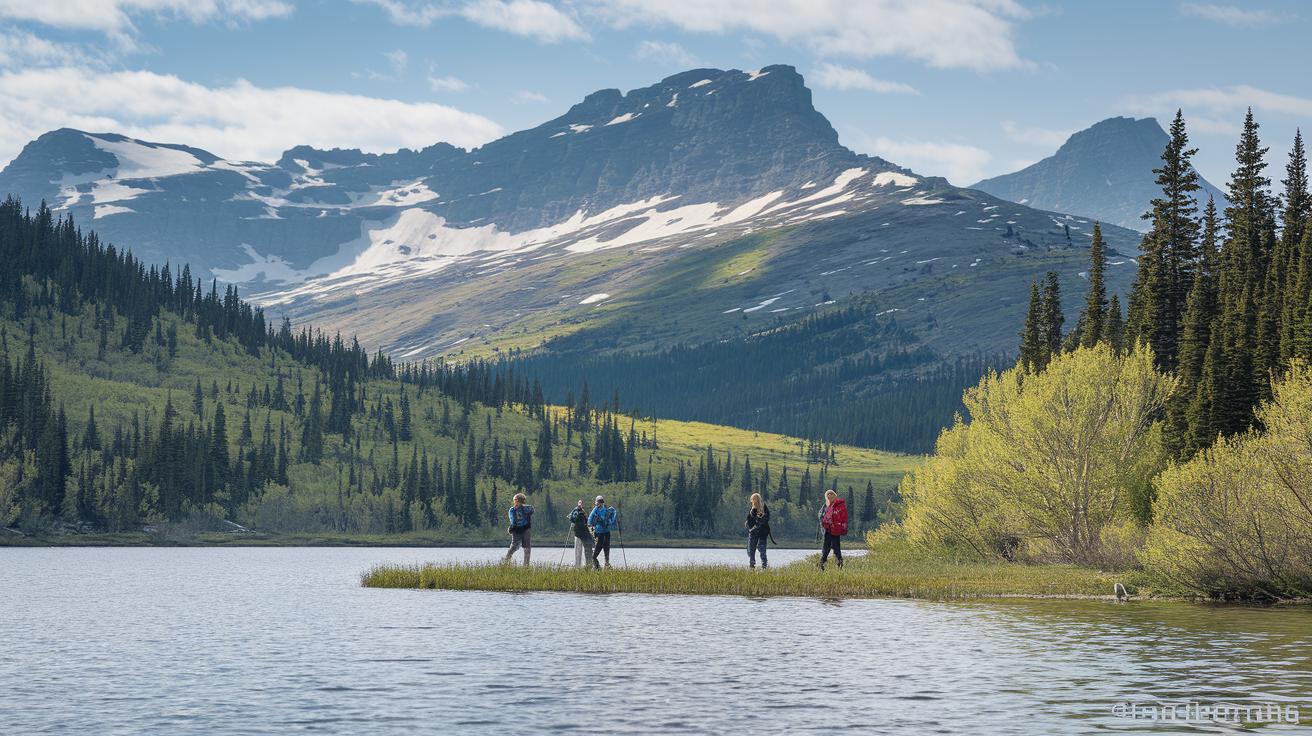
The park experiences distinct weather patterns throughout the year that affect every hiking experience. In spring, many trails start to break free from winter's hold. While the higher elevations may still have remnants of snow, lower trails like those at Alberta Falls and Bear Lake usually become accessible early in the season, gently reintroducing nature to life.
During summer, the park enjoys warm days and abundant sunshine, although the increased number of visitors means that some areas, such as the Bear Lake Corridor, may require a timed-entry permit. Trails like Nymph, Dream and Emerald Lakes often become crowded, so planning ahead is recommended.
In the fall, areas such as Fern Lake and the Sprague Lake Loop offer a stunning display of colors as trees change their hues and cool nights provide a refreshing atmosphere for hiking.
Winter paints the park in a snowy light, yet many trails are challenging due to ice and thick snow. Under proper conditions and with traction devices, the Bear Lake Loop might still be navigable, though caution is advised. For example, an experienced hiker might recommend verifying that high trails are free from dangerous snow patches before setting out in early spring.
| Season | Recommended Trails | Key Conditions |
|---|---|---|
| Spring (May-June) | Alberta Falls, Bear Lake | Lingering snow on high-elevation trails |
| Summer (Jul-Aug) | Nymph, Dream & Emerald Lakes | Timed-entry permit for Bear Lake Corridor, busy trails, sun protection needed |
| Fall (Sep-Oct) | Fern Lake, Sprague Lake Loop | Vivid colors, cooler nights |
| Winter (Nov-Apr) | Bear Lake Loop | Ice and snow cover most trails, traction devices recommended |
Always check the latest trail condition reports from the National Park Service and local weather forecasts to be ready for any seasonal changes.
Rocky Mountain National Park Hiking Trails Map Guide and Navigation Tips
Rocky Mountain National Park is equipped with a range of navigation tools to support your hiking plans. Visitors can use online interactive maps that highlight key trailheads, mile markers, and contour lines. You can also pick up printable PDF maps at the Beaver Meadows and Fall River visitor centers. For added guidance, junction signs use color-coded markers to signal trail intersections. Many hikers find that carrying a compass alongside a detailed topographic map is invaluable when venturing off the beaten path. In addition, GPS devices and smartphone applications prove helpful until you reach higher elevations, where network connectivity may be limited.
- Learning how to read contour lines on a topographic map can enhance your understanding of the landscape.
- Pairing a compass with a paper map ensures you can reorient yourself if electronic devices fail.
- Choosing the right navigation app increases your confidence, even in isolated areas.
- Conserving the battery life of your smartphone or GPS unit is essential when exploring in the field.
- Adhering to the color-coded trail markers guides you along the proper route.
- Monitoring mile markers allows you to keep track of your progress and schedule breaks.
- Having backup navigation tools such as extra batteries or an additional map is always a smart precaution.
Safety and Permit Details for Rocky Mountain National Park Hiking Trails

Rocky Mountain National Park requires a timed-entry permit to access the Bear Lake Road Corridor from 5 am to 6 pm during the May to October period. Outside these hours, most areas remain open, but visitors must follow all posted guidelines. Hikers should be mindful of increased risks above 8,000 ft, where altitude sickness can occur. The park insists on Leave No Trace practices, so be sure to carry all trash out, stick to marked trails, and use only designated campsites. Additionally, when encountering wildlife, maintain a safe distance by staying 50 yards away from elk and deer and 25 feet from smaller animals. Preparation is essential when navigating these high-altitude landscapes.
- Secure your timed-entry permit early to ensure access during busy periods.
- Equip yourself with gear suited for high altitudes, including layered clothing to handle variable weather and sturdy footwear for rocky, steep terrain.
- Adhere strictly to wildlife distancing guidelines to keep both yourself and the animals safe.
- Follow Leave No Trace principles by leaving the environment exactly as you found it and packing out all waste.
- Bring ample water and food; at least 2 liters of water and high-energy snacks are recommended to maintain your energy levels.
- Carry an emergency kit that includes bear spray, a headlamp, a first-aid kit, and extra clothing to prepare for sudden weather changes.
You can obtain permits and make the necessary reservations at local visitor centers or designated permit kiosks, ensuring you embark on a safe and responsible park adventure.
Parking and Amenities for Rocky Mountain National Park Hiking Trails
Rocky Mountain National Park offers several convenient parking options at its most popular trailheads. There are paid lots available at Bear Lake, Glacier Gorge, Alberta Falls, and Sprague Lake that provide quick access to widely used trails; however, these spots tend to fill up rapidly, particularly on busy summer weekends. From May to September, visitors can take advantage of a shuttle service along the Bear Lake Corridor, which requires a timed-entry permit to help control traffic.
Essential amenities such as maps, permit kiosks, and restrooms are provided at the Beaver Meadows and Fall River visitor centers. In addition, the nearby town of Estes Park, located about 7 miles to the east, offers a variety of lodging options, dining establishments, and shuttle services to enhance your outdoor experience.
- Shuttle Schedule: Regular services traverse the Bear Lake Corridor throughout the day.
- Permit Information: Both Beaver Meadows and Fall River visitor centers supply maps and permit kiosks.
- Visitor Center Hours: Typically, these centers are open from 8 am to 5 pm.
- Estes Park Accommodations: Options include hotels, cabins, and other types of lodging.
- Dining Options: A selection of restaurants is available near the major trailhead entrances.
Arriving before 8 am is highly recommended to secure a parking spot and avoid long delays.
Final Words
In the action of exploring varied routes, the post reviewed everything from 15 featured hikes to tailored suggestions for beginners and seasoned adventurers.
Details on seasonal changes, navigation tips, and essential safety measures kept the discussion practical and informative.
Practical advice on parking and amenities rounded out the guide, ensuring visitors are well prepared.
Embrace the adventure on rocky mountain national park hiking trails and look forward to a rewarding experience in nature.
FAQ
Q: What are the best Rocky Mountain National Park hiking trails?
A: The best Rocky Mountain National Park hiking trails offer diverse experiences, from gentle family walks to challenging alpine climbs. Popular options include Bear Lake Loop, Alberta Falls, and Emerald Lake Trail for varied scenery and difficulty.
Q: How can I access a PDF of the RMNP hiking trails map?
A: A PDF version of Rocky Mountain National Park’s hiking trails map is available online and at visitor centers, offering detailed mileage information, trail markers, and difficulty ratings to help plan your trip.
Q: Which hikes in Rocky Mountain National Park are not located on Bear Lake Road?
A: The best hikes away from Bear Lake Road include scenic routes like Emerald Lake Trail and other lesser-known paths, providing solitude and unique landscapes beyond the busy Bear Lake corridor.
Q: What makes the Emerald Lake Trail in Rocky Mountain National Park special?
A: The Emerald Lake Trail in Rocky Mountain National Park stands out due to its stunning alpine scenery, reflective turquoise waters, and diverse natural features that attract hikers seeking both challenge and beauty.
Q: Are reservations required for Rocky Mountain National Park hiking trails?
A: Timed-entry permits are required for certain popular areas, especially the Bear Lake Corridor, during peak seasons in Rocky Mountain National Park. Securing reservations in advance is essential for guaranteed access.
Q: Which Rocky Mountain National Park hikes are best suited for families?
A: Family-friendly hikes in Rocky Mountain National Park include routes like Bear Lake Loop and Sprague Lake, which offer gentle terrain, engaging views, and manageable distances that are perfect for children and beginners.
Q: Does a Rocky Mountain National Park hiking trails map include mileage details?
A: Yes, the RMNP hiking trails map typically includes mileage details, elevation gains, and key waypoints, providing valuable information to help hikers plan routes and assess trail difficulty efficiently.