
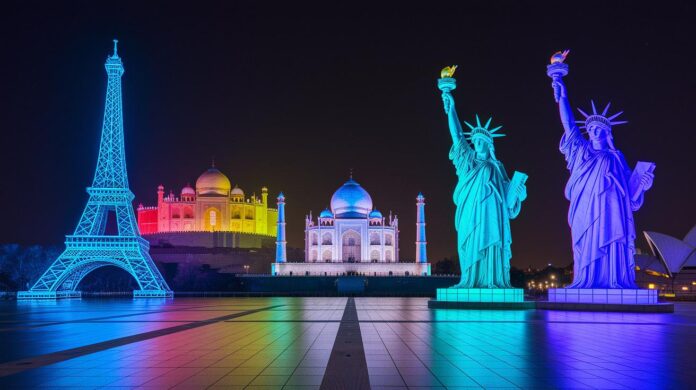
Have you ever wondered why some landmarks ignite a spark inside you? They offer more than just a nice view. They carry history and bring people together. Think of the Statue of Liberty, standing proud, or the Eiffel Tower with its smooth, elegant curves. These famous sites tell the story of our shared past. In this post, we look at 5 places that lift our spirits, supported by survey ratings and deep cultural ties. Read on to see how these landmarks continue to spread joy and celebrate our global heritage.
Top 20 Most Recognizable Iconic Landmarks Around the World
A survey was done with 50 famous sites from all six continents. People from different ages and places picked the spots they know best. The survey checked how fast people could name these must-see urban gems, showing their cultural pull and history.
| Landmark | Location | Recognition Rate (%) |
|---|---|---|
| Statue of Liberty | New York, USA | 98.73 |
| Eiffel Tower | Paris, France | >97 |
| Taj Mahal | Agra, India | 92.25 |
| Colosseum | Rome, Italy | 91 |
| White House | Washington DC, USA | 90 |
These sites have a strong hold on minds worldwide because of their deep history, standout design, and role in their nation’s story. The Statue of Liberty, a beacon of freedom, tops the list, while the Eiffel Tower shines for its unique look and French charm. The Taj Mahal and Colosseum hold centuries of tales and cool building skills that still draw crowds.
The high scores tell us these spots make a big mark on our global culture. They appear often in media, art, and school lessons, helping us share ideas about history and pride. Travelers and locals cherish these landmarks not only for sightseeing but also as proud symbols of national spirit and human creativity.
Detailed Profiles of Key Ancient Wonders and Their Histories
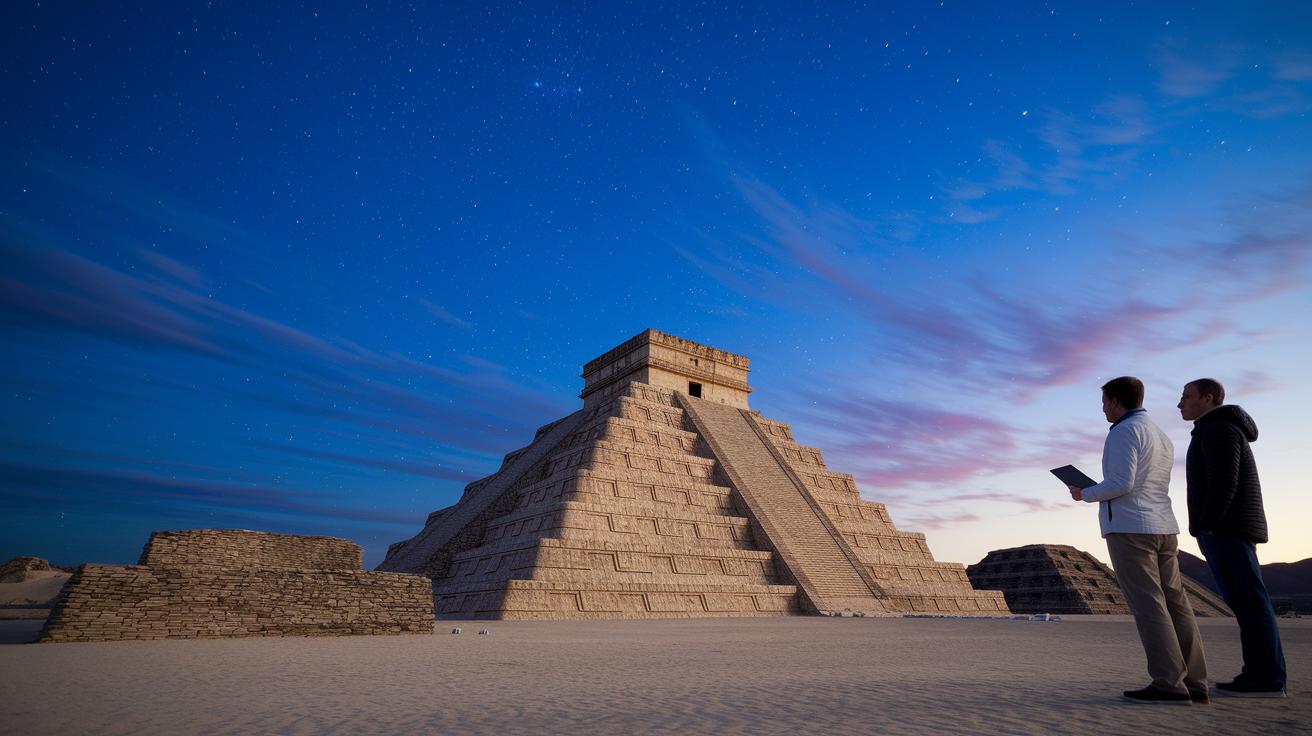
Ancient wonders remind us of what people can achieve even using simple tools. Skilled builders created these sites, which served as centers for trade, ceremonies, and star-gazing. They pushed the limits of their time and left clues about their beliefs and daily life.
Take the Great Pyramid of Giza, for instance. It was built with exact measurements and aligned with the stars to reflect both science and spirit. Other famous sites mix art with smart design, showing traditions and rituals from long ago.
These sites help you see the cleverness of ancient societies. Their huge stones and detailed carvings tell stories of leaders, battles, and the blending of cultures. Even with limited tools, our ancestors built wonders that still inspire us today. Every stone and carving had a purpose, and each one gives us a peek into a rich past.
| Ancient Wonder | Key Points |
|---|---|
| Great Pyramid of Giza | Built around 4,500 years ago; once 481 ft tall; aligned with the stars |
| Machu Picchu | Constructed in the 15th century; known for its solstice alignment |
| Angkor Wat | Erected centuries ago; famous for its detailed celestial carvings |
| Petra | Carved into sandstone cliffs about 2,000 years ago; celebrated for hidden façades |
| Colosseum | Built in AD 80; could seat up to 50,000; features underground tunnels |
These ancient wonders have shaped our heritage and continue to spark curiosity about early civilizations.
Modern Marvel Destinations and Contemporary Architectural Icons
Modern landmarks have changed city skylines, showing off fresh design ideas and clever engineering. These sites let you see cities in a new light with bold shapes that stand as signs of progress.
- Eiffel Tower (1889) stands 1,083 ft tall and sparkles every hour.
- Empire State Building (1931) soars to 1,454 ft and was built in just 410 days.
- Golden Gate Bridge (1937) stretches 4,200 ft and is painted in its famous International Orange.
- Sydney Opera House (1973) is covered in over 1 million tiles and hosts about 1,500 shows each year.
- Space Needle (1962) measures 605 ft and is built to handle winds up to 200 mph.
- Sagrada Familia (construction began in 1882) still builds today and welcomes around 4 million visitors annually.
These landmarks are more than just photo spots; they come with cool stories about their creation. Details like the fast build of the Empire State Building or the daring design of the Sydney Opera House add extra interest. When you plan your visit, look for tips that help you skip long lines and crowded times.
Modern architecture adds energy to our cities by celebrating human creativity and hard work. Each site shows a different design aspect, from the Space Needle's ability to face strong winds to the never-ending work on Sagrada Familia. These places embody local pride and push the limits of design. Whether you check out their lit-up views at night or learn their stories during the day, each destination invites you to enjoy modern creativity at its best.
Landmark Recognition Challenges: Least Identifiable and Most Misidentified Sites

Many well-known spots can be hard to recognize even if they are rich in history and culture. A recent survey shows that places like Schönbrunn Palace in Austria, Sugarloaf Mountain in Brazil, Pena Palace in Portugal, the Forbidden City in China, and Milford Sound in New Zealand did not score high in recognition. These icons can easily be missed or mixed up with other attractions since their images aren’t as familiar.
| Landmark | Country | Recognition Rate (%) |
|---|---|---|
| Schönbrunn Palace | Austria | 10 |
| Sugarloaf Mountain | Brazil | 12 |
| Pena Palace | Portugal | ~12 |
| Forbidden City | China | 13 |
| Milford Sound | New Zealand | 6 |
There is also a problem with mistaken identity. Many travelers mix up landmarks because the images or names don’t match what they expect. For instance, more than 60% of people mistakenly think Tower Bridge is London Bridge. Similarly, Sagrada Familia in Spain is often misidentified because its work is still in progress and its style is very unique.
Planning Monumental Travel Itineraries for Celebrated Tourist Landmarks
Booking your entry tickets ahead of time makes your visit much smoother. Many top sites now require these tickets to control the number of visitors. This simple step saves you time and stops you from missing out at the door.
Try to visit landmarks early in the morning or later in the afternoon. Arriving right when a site opens means fewer crowds and better spots for photos. You can also check out insider tips (https://thetravelinginsider.com?p=221) to avoid the busiest times and make the most of your trip.
To really connect with the area, consider hiring a local guide. They offer unique stories and historical tips that bring each place to life. If you’re planning to see several sites, think about a road trip route that links them. Resources like these road trip itineraries (https://thetravelinginsider.com?p=239) can show you scenic paths and hidden gems along the way.
- Book timed-entry tickets ahead of time.
- Plan your visit for early morning or late afternoon.
- Follow insider tips to dodge the crowds.
- Hire local guides for a deeper experience.
- Consider a road trip route to cover multiple sites.
Essential Landmark Characteristics and Preservation Efforts
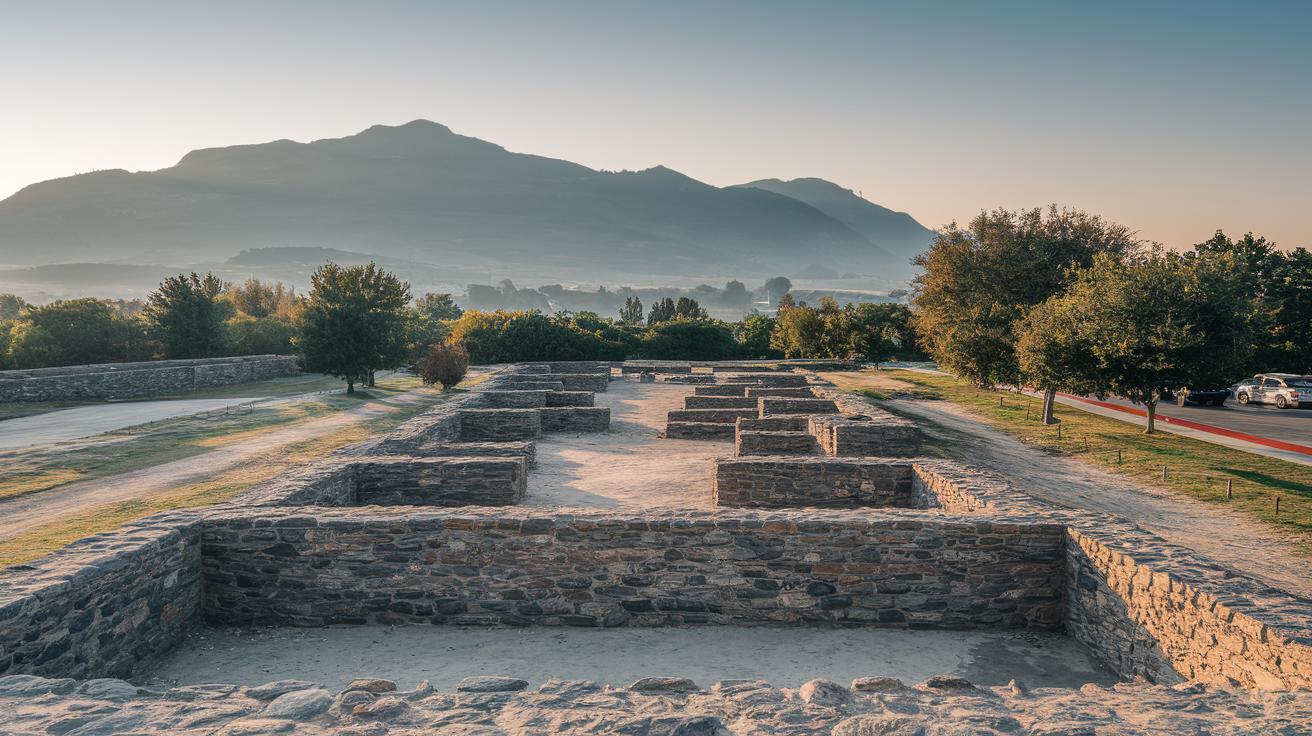
UNESCO sets clear rules to help protect special cultural spots for future visitors. Many sites around the world serve as examples of careful upkeep because they face tough challenges like weather, pollution, and heavy foot traffic. For example, the Great Wall of China is getting steady repairs to fight erosion, while the Sagrada Familia in Barcelona, under construction since 1882, uses modern methods that honor its detailed, centuries-old design.
But it isn't just about fixing buildings. The Acropolis in Athens has seen several rounds of restoration from the 1800s to today, showing a long-term commitment to preserving its ancient story. Teams from international groups and local governments often work together, using UNESCO standards to keep these historic landmarks true to their past.
| Site | Key Effort |
|---|---|
| Great Wall of China | Ongoing repairs to curb erosion |
| Sagrada Familia | Modern fixes that respect centuries-old artistry |
| Acropolis of Athens | Decades-long restoration to maintain ancient charm |
| UNESCO Projects | Setting global benchmarks for building restoration |
Support from local communities and volunteer programs also plays an important role in keeping these cultural treasures safe so that future generations can enjoy them.
Final Words
In the action, we broke down how top-ranked views, historical marvels, modern feats and even recognition mishaps shape our visit plans. We also laid out practical itinerary tips and highlighted ongoing preservation efforts.
This guide gives you a clear, realistic look at the diverse character of iconic landmarks around the world. Enjoy the process of exploring these celebrated sites and use these tips to make your next trip smooth, efficient and truly memorable.
FAQ
What is the most iconic landmark in the world?
The most iconic landmark, as reported by global surveys, is the Statue of Liberty because it has a very high recognition rate and symbolizes freedom worldwide.
What are some unique and iconic landmarks around the world?
Unique and iconic landmarks include sites like the Eiffel Tower, Taj Mahal, and Colosseum, which stand out for their distinct designs and historical significance, offering travelers memorable cultural experiences.
What are the top historical or tourist attractions to visit globally?
Top historical and tourist attractions, such as the Colosseum, Taj Mahal, and Machu Picchu, provide immersive insights into history and culture, making them must-see destinations for travelers.