

Ever wonder why some travelers stick to their budgets while others overspend? The truth is, small daily choices, like skipping a $3 coffee, can really add up. This guide gives you practical tips to plan great trips without skimping on quality. We show you how to set a clear budget, track every expense, and find affordable flights. Follow these steps to save money while still having trips you’ll remember.
Step-by-Step Blueprint for Cost-Effective Travel Planning Strategies
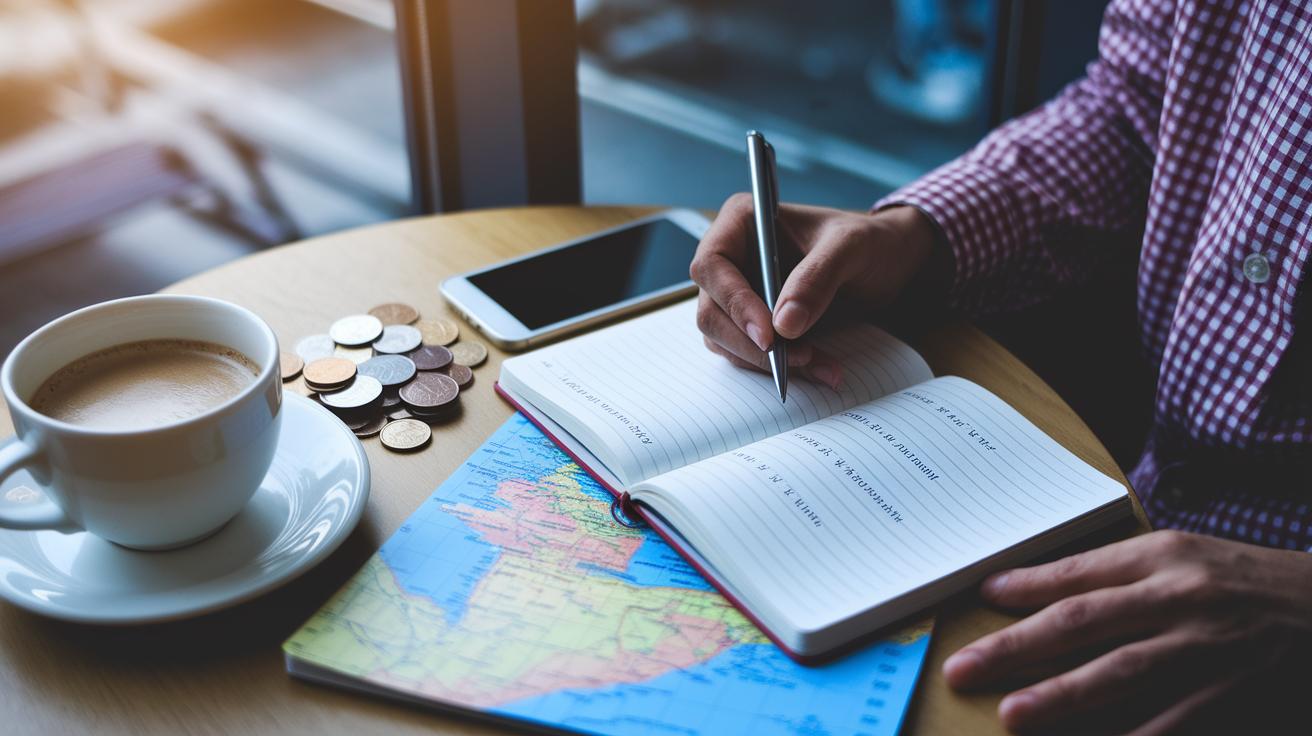
Start by figuring out your budget for big travel costs like meals, lodging, and getting around. Write down your expected costs for each part before you even pack your bag. Decide how much you’ll spend on groceries or cooking your own meals versus eating out. Look up cheap places to stay like hostels or budget rentals, and make a list of local bus or taxi fares. You might be surprised to learn that by skipping your daily coffee, you could save about $60 each month, and by eating out less, you might save another $150. This exercise helps you set clear, realistic goals for your trip.
While you travel, keep track of every expense. Write down each cost, from a snack at a local market to a train ride, in a small notebook or on a budgeting app. Recognizing small expenses, like that $3 coffee, can add up quickly. By keeping a simple log, you can see where your money is going and make smart changes as you go, like cooking instead of dining out or doing your own laundry to save on fees.
Focus on key numbers in your plan. Aim to cut your travel spending by around $210 each month, which adds up to $1,260 in six months. These savings can help pay for your trip without cutting corners on quality. Stick to your plan by recording every cost, planning meals carefully, and comparing different lodging and transport options. With a well-managed budget, you can move from guesswork to a clear plan, giving you the freedom to enjoy your travels without worry.
Affordable Flight Booking Techniques in Cost-Effective Travel Planning Strategies

Flying on a budget doesn't mean you have to compromise on a great travel experience. Think of hunting for flight deals like searching for hidden treasure, you might save hundreds if you look smart. For example, one traveler mentioned that comparing prices saved them $150 on a trip. That little extra effort can really pay off.
- Check fare comparison sites like Skyscanner to see prices across many airlines.
- Look for flexible travel dates on Google Flights to spot cheaper off-peak fares.
- Sign up for Scott’s Cheap Flights to get alerts for airfare discounts.
- Use tools like Hopper that predict when fares will drop.
- Consider budget airlines like RyanAir, EasyJet, and Norwegian, but watch out for extra fees like baggage or seat selection.
Always keep an eye out for hidden fees that might turn a good deal into an expensive one. It can also pay to compare round-trip fares with one-way fares; sometimes booking separately saves you more. A little extra time researching can lead to big savings, much like saving enough on a simple date change to cover your taxi fare.
Top Budget Lodging Choices for Cost-Effective Travel Planning Strategies

Travel costs can add up fast, especially for lodging. That’s why picking wallet-friendly places is so smart. You can mix savings with local flair by choosing options like AirBnB, hostels, couchsurfing, or house sitting. Each one offers its own benefits, letting you match your stay with your budget and interests.
AirBnB lets you rent spots in the heart of the city with a kitchen so you can cook your own meals and save on eating out. Hostels offer shared rooms that let you meet other travelers while keeping costs low. It helps to book early because many places give discounts for longer stays, sometimes cutting your rate by up to 40%. Check out details like free breakfast to trim your expenses even more.
Couchsurfing and house sitting are even cheaper since you don’t pay a nightly fee. They let you stay in someone’s home and see what local life is really like. Whether you choose a rental with handy amenities or a spot in a hostel, booking smartly and looking for extra discounts can help you enjoy a comfy stay without breaking the bank.
Crafting a Low-Cost Itinerary in Cost-Effective Travel Planning Strategies

Planning your day-by-day itinerary turns sightseeing into a smart money-saver. When you set your plan early, you can find free or low-cost spots and stretch your dollars further, all while soaking in local charm. Laying out your schedule helps you mix the top attractions with affordable alternatives. Try using sites like Wikitravel and Rome2Rio to map your route and check out helpful budgeting tools (https://travelkeepup.com?p=221).
- Look for free events such as no-fee museum days, open-air markets, or local festivals where a small tip is all you need.
- Enjoy self-guided walking tours where you can tip what you feel is fair.
- Pick spots that match your interests and see if discounts work for students, seniors, or those under 26.
- Put extra funds towards must-see attractions and choose free alternatives when available.
- Chat with locals or browse community boards to discover hidden gems that are easy on your wallet.
- Compare bus, tram, or bike rental options to link together a day of affordable fun.
Keep fine-tuning your itinerary as you gather tips along the way, making sure your day stays both rewarding and budget-friendly.
Money-Saving Strategies for Meals and Local Transit in Cost-Effective Travel Planning Strategies

When you're traveling on a tight budget, cooking your own meals can really help you save money. Visit local markets to grab fresh ingredients and whip up simple dishes in places with a kitchen or hot plate. Try to limit eating out to one meal a day so you still get to taste the local food without breaking the bank. One traveler mentioned that planning breakfast and lunch at home made a big dent in daily expenses.
Using local transit is another smart move to cut costs. Instead of hailing a taxi, you can take a bus, tram, or even a tuk-tuk for a cheaper ride around town. Check out transit schedules and routes online to find the quickest and lowest-cost way to move between attractions. Many cities offer well-run public transport that gives you great value for your money.
When handling your money overseas, stick to transactions in the local currency to get a better exchange rate. Look for ATMs that don’t charge extra fees before you withdraw cash. These small adjustments add up, leaving you with more funds for memorable experiences.
Leveraging Digital Tools and Loyalty Programs in Cost-Effective Travel Planning Strategies

Digital tools are true game changers for cutting travel costs. Apps like Skyscanner, Google Flights, and Hopper let you track flight prices, spot sudden price drops, and even predict the best time to book. Budgeting apps help you monitor your spending, while discount tools dig up deals that might otherwise go unnoticed. One traveler shared, "I saved hundreds by setting up flight alerts and checking my spending with a budgeting app." These tools transform a complicated trip plan into a clear checklist for every money decision.
Flight and Booking Apps
Flight and booking apps give you live updates and easy alerts to lock in low fares. Google Flights and Skyscanner show you price changes right away, while Hopper predicts when prices will be at their lowest. A traveler mentioned, "I booked my flight at the perfect time thanks to timely alerts." Spending just a few minutes to set up these apps can lead to big savings on your tickets.
Loyalty Programs
Loyalty programs are a smart addition to your travel toolkit. Many airlines, hotels, and booking sites reward you for frequent use, letting you earn points for free upgrades or stays. Using a credit card with rewards can also lower costs by giving you travel credits on everyday purchases. These benefits help cut down overall trip expenses and cushion any unexpected costs. To keep more money for your adventures, use fee-free cards to avoid that extra 3% foreign transaction fee and choose no-fee ATMs.
Advanced Tactics: Off-Season Travel, Work Exchanges, and Case Studies in Cost-Effective Travel Planning Strategies

Traveling off season can help you save on lodging costs. Prices can drop by 20-25%. For example, in Iceland, winter rates are much lower than in peak season. This means you can enjoy the beautiful scenery without spending a lot.
Loyalty programs and rewards can cut your costs even more. When you earn points from hotels, trains, or airlines and use cards that don’t charge extra fees abroad, you save money for what matters most on your trip.
Work exchanges are another smart way to save. You can work about 20 hours a week in exchange for room and board. This lets you experience local life up close and spend less on hotels.
Sometimes round-trip tickets come cheaper than one-way fares. Many train or ferry services offer lower prices when you book a round-trip. A bit of research can save you hundreds over your journey.
Mixing these tactics can lower your travel costs a lot. One study showed that two people spent $9,000 over 10 weeks (about $900 weekly) by taking advantage of off-season deals, work exchanges, and smart ticket choices. With some planning and careful research, you can cut costs and still enjoy a real, satisfying travel experience.
Final Words
In the action, this post walked you through setting a budget for meals, lodging, and transit while tracking every cost. We broke down simple tips like booking affordable flights and choosing budget-friendly lodging, plus smart meal and transit strategies.
We also covered digital tools, loyalty programs, and off-season tactics, each part builds a solid framework. These cost effective travel planning strategies help keep your trip smooth and smart. Stay optimistic and keep traveling with confidence.
FAQ
Travel budget template Excel
The travel budget template Excel offers a ready-made spreadsheet to track meals, lodging, and transport costs. It helps you plan and monitor expenses for a smooth, cost-effective trip.
Travel budget example
The travel budget example provides a sample breakdown of expenses like food, lodging, and transport. It gives you a clear picture of how to allocate funds for a well-planned trip.
Cheapest way to travel long distance
The cheapest way to travel long distance generally involves comparing low-cost carriers, buses, or trains. Booking in advance and being flexible with dates can also help trim overall travel costs.
Cheapest way to travel in USA
The cheapest way to travel in USA often means using budget airlines, buses, or car-sharing. Combining these with affordable lodging and self-guided tours lets you explore widely while keeping expenses low.
How to travel on a budget with family
How to travel on a budget with family involves booking affordable accommodations, preparing meals where you can, and finding group discounts on attractions. This keeps costs manageable without missing out on fun.
Cheapest ways to travel the world
The cheapest ways to travel the world include using discount airlines, staying in hostels or short-term rentals, and choosing off-peak travel times. Keeping a careful record of spending further cuts costs.
How to travel for cheap as a student
How to travel for cheap as a student means taking advantage of student discounts, budget hostels, and low-cost airlines. Using free attractions and public transport is another smart way to save while exploring.
How to travel for cheap in your 20s
How to travel for cheap in your 20s depends on flexible travel dates, sharing accommodations, and using digital apps for deals. Budget-friendly tours and public transport also help keep costs in check.
What strategies do you use to manage travel arrangements ensuring efficiency and cost effectiveness?
What strategies do you use to manage travel arrangements ensuring cost effectiveness involves detailed pre-trip budgeting, tracking expenses, and using travel apps. These techniques help you adjust plans quickly and save money overall.
Is $10,000 enough to travel for 6 months?
Is $10,000 enough to travel for 6 months depends on your travel style and destinations. Many travelers make it work by keeping daily expenses low using careful budgeting and cost-cutting measures.
Can ChatGPT plan a trip?
Can ChatGPT plan a trip by providing advice and ideas? Yes, ChatGPT can help craft itineraries, offer budgeting tips, and suggest cost-saving strategies to assist you in planning a well-organized trip.
Is $5000 enough for a vacation?
Is $5000 enough for a vacation? For many popular destinations, it can cover flights, lodging, and main activities if you plan carefully, stick to a budget, and choose cost-effective options.