

Have you noticed that the best travel moments often happen away from busy tourist spots? Getting to know local life lets you enjoy everyday routines that turn into lasting memories. Picture yourself chatting with smiling market vendors or sharing meals with a local family where every dish has its own story. This guide shows you how to sample traditional food, learn a few basic local words, and join in on community celebrations. Step off the usual path for travel that feels personal and real.
Achieving Authentic Cultural Immersion in Travel
Cultural immersion lets you live like a local. Instead of sticking to well-worn tourist routes, you join in on daily routines, sample traditional dishes, and embrace time-honored customs. This hands-on way of traveling helps you connect with people and may even help you pick up a few simple words in the local language. For example, chatting with a market vendor might lead to unexpected stories about local traditions.
This approach means you might join in on local festivals, wander through neighborhood markets, or sign up for a workshop to learn crafts or cooking. Staying in a family-run guesthouse or homestay can make your experience even richer by creating personal connections. You might even try a volunteer project, like helping out with a local environmental effort or teaching a skill, to see everyday life from a new angle.
- Homestays or family-run guesthouses
- Simple local language practice
- Joining community festivals
- Artisan craft and cooking lessons
- Volunteer work in local projects
Mixing these experiences turns travel into a lively, real-life adventure. Instead of checking off a list of sights, you gather memories through shared meals and conversations. Each encounter helps you understand and appreciate local life far beyond the usual tourist stops.
Planning Your Cultural Immersion Travel Guide: Pre-Trip Essentials

Start your planning by setting a clear budget and picking the best flight strategy for your trip. You can compare a round-the-world ticket, which offers steady pricing and high flexibility, with booking flights as you go where fares may change. If saving money is a top priority over comfort, budget airlines might be the way to go. Also, think about where you'll stay. Choosing homestays or community lodging options lets you experience local life from the start. Look for platforms that specialize in local stays. For a more detailed daily plan that suits your style, check out custom travel itineraries.
| Booking Option | Flexibility | Cost |
|---|---|---|
| Round-the-world ticket | High | Moderate to High |
| Booking as you go | Moderate | Variable |
| Budget airlines | Low | Low |
Before you set off, take some time to plan your packing. A solid packing list helps you manage your luggage and supports sustainable travel. While packing cubes can keep your clothes organized, they might take up extra space. Instead, try reusable travel organizers that slide easily into your carry-on. Bring eco-friendly items like a reusable water bottle and bags to cut down on single-use plastics. Arrange your essentials so your airport and transit time is as smooth as possible. Packing light not only makes travel easier, it also reduces waste. With smart planning for both flights and packing, you can fully enjoy the everyday pleasures of your destination.
Immersive Community Engagement and Homestay Experiences
Staying in a family-run guesthouse or homestay lets you see local life up close. You'll share home-cooked meals and hear family stories that have been told for years. This kind of stay is friendly on your wallet and opens a window into everyday customs, like the local way to greet neighbors or join community events. You might even learn little things, like taking off your shoes before entering a home as a sign of respect. These small moments build trust and make your trip feel personal.
Volunteering is another great way to connect with locals. You can help out in teaching, environmental care, or even construction projects. Just be sure that your work really benefits the community and fits in with local ways. Check with local tourism offices or community centers to find trusted projects. This not only lets you lend a hand but also gives you a deeper look at local challenges and successes. Working side-by-side with residents creates meaningful friendships and memories that go far beyond typical sightseeing.
Cultural Immersion Travel Guide: Language and Etiquette Essentials
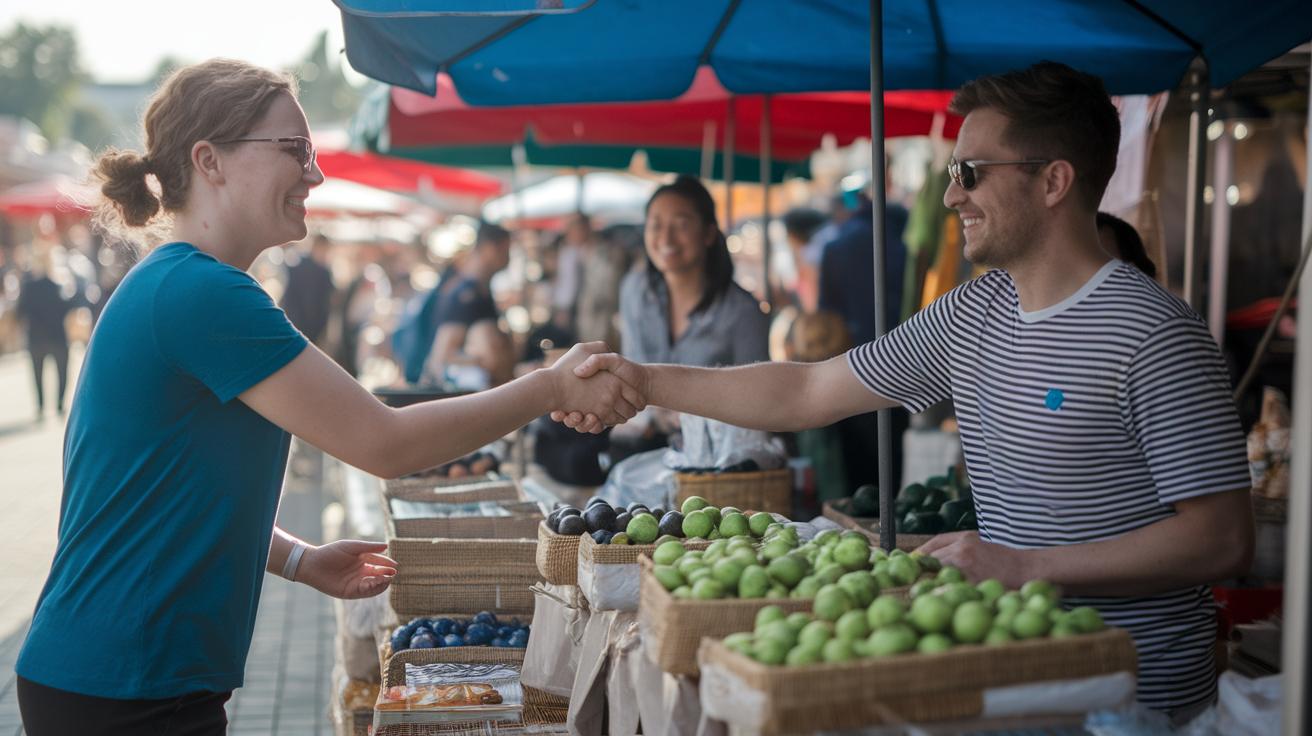
Before you head out, learn a few simple phrases. Pick about 5 to 7 key words like "hello," "thank you," "please," "excuse me," "I’m sorry," and "goodbye." If you’re visiting a Spanish-speaking country, practice saying "hola" (oh-lah) and "gracias" (grah-see-ahs) out loud until they feel natural. This small step can help you start friendly conversations and build trust with locals.
Follow these basic etiquette tips to show respect for local customs:
- Greet people with a kind smile and a gentle handshake or nod, following what locals prefer.
- When you visit temples or sacred places, make sure to cover your shoulders and knees.
- Use open hand gestures instead of pointing, as pointing with your index finger can seem rude.
- Keep your voice soft in formal or religious settings and avoid overly casual body language.
These language tips and simple etiquette guidelines can help you connect easily and respectfully with the community around you.
Cultural Immersion Travel Guide: Engaging Activities & Hidden Gems
Leave the typical tourist trail behind and dive into what locals truly love. Instead of only checking off famous landmarks, try wandering into hidden spots like small street food stalls, lively markets, or secret hangouts where locals gather. Here, you can savor hand-crafted dishes while getting a real feel for daily life. Interactive museum tours might even let you chat with curators or see exhibits that don’t usually make it to the public eye. Every little adventure adds a fresh layer to your journey.
Festival Immersions
Festivals give you an up-close look at local traditions. Look out for events such as Songkran in Thailand or Semana Santa in Guatemala. It’s smart to call ahead and book tickets or join a tour since these festivities can require some extra planning. When you join in, remember to respect local customs, like wearing the right clothes or sticking to designated ritual areas. Arriving early or joining an organized group can help you blend in and enjoy the vibe fully. Often, local guides share handy insights about these traditions, making your experience even richer.
Culinary & Artisanal Workshops
Get hands-on with local flavors and crafts by joining a cooking or craft workshop. You might try making dumplings in China or pasta in Italy, linking the taste to a long-held tradition. These sessions are led by local experts who walk you through each step and explain why certain techniques have been cherished over generations. Sometimes, local artisans invite you into their studios to see their craft up close. This personal touch not only deepens your travel experience but also builds meaningful links with the people behind the art. Enjoy these creative sessions, they add vivid chapters to your travel story.
Sample Cultural Immersion Travel Guide Itineraries

7-Day Festival Itinerary in India
Enjoy a week of vibrant experiences in India. Your adventure starts in a busy city where you can learn a few basic greetings with a quick language lesson. On Day 1, visit an ancient temple early in the morning to set the tone. Day 2 lets you join a guided market tour to try street snacks and see local crafts up close. On Day 3, jump into a fun Holi celebration with splashes of color and playful water fights. Day 4 brings you to a friendly village homestay where you can enjoy home-cooked meals. Then on Day 5, try a hands-on cooking class to learn some local recipes. Day 6 features a community festival in a nearby town with live music and dance to boost the energy of your trip. Lastly, on Day 7, wander through a local market to pick up unique souvenirs and practice your new language skills with welcoming vendors.
10-Day Heritage Journey in the Yucatán
Spend 10 days exploring the deep cultural roots of the Yucatán region. Begin on Day 1 with a visit to ancient Maya ruins that share the history of the area. On Day 2, take part in a workshop with local artisans and learn how traditional crafts are made. Day 3 is all about a serene cenote ritual, giving you a peaceful, nature-filled experience. On Day 4, enjoy a local festival with music, dance, and folklore that brings the community together. Days 5 and 6 are set aside for free exploration in heritage towns and markets, letting you chat with locals and soak up everyday life. Day 7 offers a Maya community workshop where you can learn to cook traditional dishes and discover local medicinal plants. On Day 8, join a guided tour of heritage landmarks and museums for a closer look at the region's history. Day 9 lets you stay with a local family in a homestay, deepening your understanding of the local way of life. Finally, on Day 10, revisit your favorite spot from the trip to relax and reflect on all the new connections you've made.
Safety and Ethical Practices in Cultural Immersion Travel
When you travel, your health and actions set the tone for a respectful cultural experience. Make sure you get any needed vaccinations and pack your medications. Keep a small first-aid kit with you, and watch your food hygiene, especially when trying local dishes. At sacred sites, follow dress codes and keep your voice low. Always ask before taking photos of people or important places, as many locals value their privacy and traditions.
Choose tours that work closely with the local community. Check if community-based operators stick to local guidelines and share benefits with local artisans. Ask your guide how the funds help local projects so you know your trip supports culture and protects local economies.
Small everyday choices add up. Use a reusable water bottle to cut down on plastic waste, and tip small vendors as is customary. Taking time to learn local customs and showing genuine thanks to your hosts proves that you respect the local culture and help keep travel safe and responsible.
Final Words
In the action, we explored how to embrace local customs through practical tips and hands-on experiences.
We broke down the essentials, from colorfully engaging festivals and settling into homestays to smart packing and ethical travel practices.
Our guide also gave quick steps for booking flights and planning immersive language and etiquette sessions.
This cultural immersion travel guide helps you craft real and efficient itineraries that fit your schedule and budget.
Enjoy your trip and make each moment count as you experience life like a local.
FAQ
What is a cultural immersion travel guide for adults?
The cultural immersion travel guide for adults is a tool that outlines local living options, like homestays and festivals, helping you engage fully with everyday customs and local traditions.
What are some cultural immersion examples or experiences?
Cultural immersion examples include staying with local families, joining community events, learning everyday phrases, exploring local markets, attending artisan workshops, and volunteering in neighborhood projects.
What cultural immersion programs are available for adults?
Cultural immersion programs for adults offer organized experiences that pair homestays, language lessons, cooking classes, and volunteer opportunities, allowing you to live like a local and connect deeply with community traditions.
What is a cultural immersion list?
A cultural immersion list is a curated set of activities such as festivals, homestays, workshops, and local market visits that guide travelers in engaging deeply with regional customs and traditions.
What is a cultural immersion synonym?
A cultural immersion synonym is local engagement, a phrase that reflects experiencing daily routines, traditional practices, and community life as if you were a resident.
How is cultural immersion pronounced?
Cultural immersion is pronounced as “KUL-chuh-ruhl im-MUR-shun,” with the stress falling on the second syllable of “immersion.”
How do you plan a cultural immersion trip?
Planning a cultural immersion trip means researching local events, booking family-run accommodations, practicing basic phrases, and scheduling hands-on activities like workshops or community festivals to create a genuine local experience.
What are the 3 P’s of culture?
The 3 P’s of culture generally refer to people, practices, and places, emphasizing the importance of community, traditional customs, and the local environment in shaping thoughtful cultural experiences.
What defines a cultural immersion trip?
A cultural immersion trip involves replacing common tourist activities with participation in daily local routines, festivals, and workshops, which helps you form deeper connections with the area and its people.
Where should you travel for the most immersive cultural experience?
To enjoy the most immersive cultural experience, travel to places known for rich traditions and community events, like Oaxaca (Mexico) or Kyoto (Japan). These destinations offer homestays, festivals, and artisan workshops to help you live like a local.