

Have you ever wondered if you're really set for a long drive? Getting on the road can feel risky, especially when you're just starting out.
We’ve got some simple tips to help you tackle your trip safely and with fun. Do a full car check before you go, plan your rest stops ahead of time, and set a clear budget for fuel and food.
These practical steps give you a solid launch, so you can enjoy your very first road trip with confidence and a smile.
Road Trip Planning Basics for Beginners
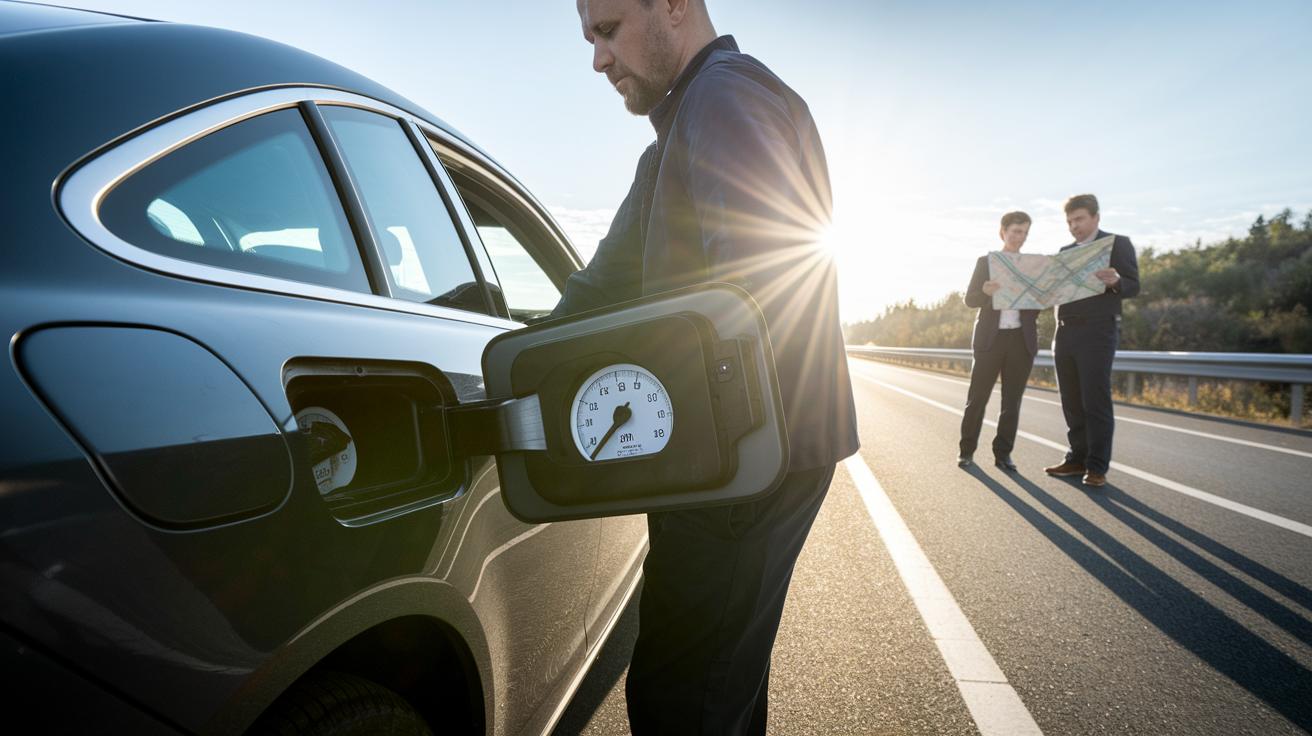
Starting your road trip right is all about clear plans and simple steps you can trust. If you're new to long drives, take some time to check both your route and your car to keep things fun and stress-free. Begin with a full vehicle check by a certified mechanic and fill your gas tank completely. These steps are key for your safety.
Here’s a 10-step checklist to help you plan:
- Get a full car check and fill up the tank – Take your car to a mechanic and make sure you have a full tank. I once had a mechanic’s report that caught a small engine issue, saving me on a lonely stretch of road.
- Write a clear daily plan – Note your driving times, distances, stops for rest, and places to see.
- Set your budget – Plan for fuel, meals, hotels, and fun extras.
- Book your stays early – Reserve your hotels or campsites ahead of time so you have a safe spot to sleep.
- Look after your home – Arrange for pet care, hold your mail, or set up any needed security.
- Prioritize sleep – Aim for 8 hours each night so you stay alert.
- Make digital copies – Download maps, playlists, and podcasts; it’s smart to pack a paper map too.
- Plan regular breaks – Line up stops at gas stations, scenic spots, or local hideaways.
- Keep your car tidy – A neat cabin helps keep you comfortable and alert.
- Pack your kits – Bring a first aid kit, a spare tire, and roadside rescue info. Stay flexible in case plans change.
Follow these steps, and you'll set yourself up for a safe and enjoyable road trip.
Vehicle Preparation and Maintenance Tips for Road Trips

Before you hit the road, take a moment to check your car. Make sure your license, registration, and insurance are current and kept safe in a zipped glovebox. Look over your engine oil, coolant, brake fluid, transmission fluid, and windshield washer fluid so you avoid any unwanted surprises. I once got a low coolant warning and topping it off kept my engine cool during a long drive.
Check your tire pressure and tread depth to keep you safe and help prevent sudden flats. It’s also a good idea to test your battery and ensure your heater/AC works well, especially if you’re facing harsh weather. Pack a kit of emergency tools too. Include jumper cables or a portable jump starter, a jack, a lug wrench, a spare tire, and a portable tire inflator. A headlamp and gloves will help for repairs in dim light. And don’t forget to carry at least $100 in cash for fuel stops in places that don’t take cards.
| Item | Description |
|---|---|
| 1 | Inspection report from a certified mechanic |
| 2 | Top off fluids (oil, coolant, brakes) |
| 3 | Check tire pressure and tread |
| 4 | Test battery and heater/AC functions |
| 5 | Pack emergency repair tools (jack, inflator, jumper cables) |
| 6 | Keep legal documents (license, registration, insurance) |
Packing Efficiency Hacks for Smooth Road Trips
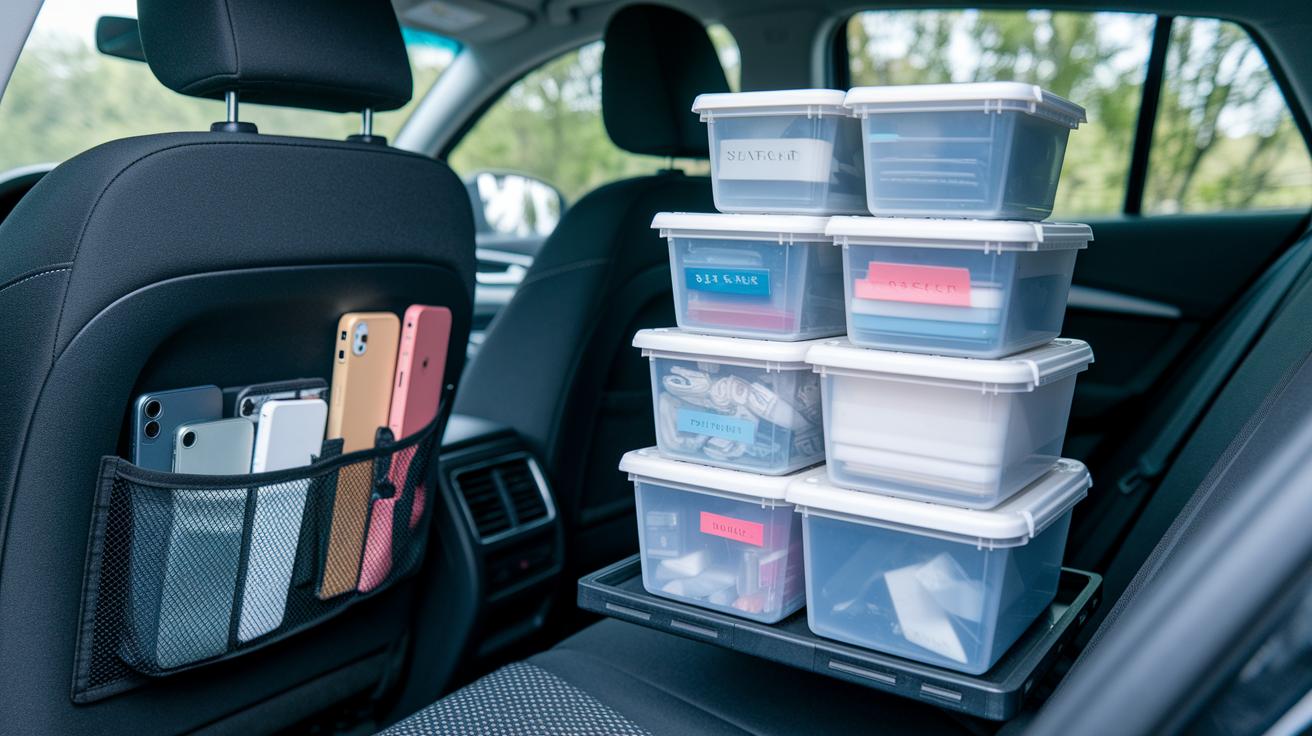
Make the most of every inch in your car by keeping things neat. Use stackable containers or a small plastic bin with a lid to hold your motion-sickness remedies and trash. This simple trick keeps your space tidy and makes cleanups a snap when you're driving.
Tidy up your gadgets too. Group and label your charging cables, portable battery bank, 12 V to 110 V inverter, and phone mounts in one pouch. That way, you grab what you need without digging through a pile of bags.
A seatback organizer or trunk divider can be a lifesaver. Keep your snacks, travel games, and first aid items close by so they're ready when you need them. Roll your clothes and pack them in compression bags or packing cubes. Not only will this save room, but it also stops wrinkles and makes it easier to find what you're looking for.
If your trip is long or you have extra luggage, think about using a rooftop cargo carrier. This frees up space inside your vehicle and helps keep everything in order. With a little planning, you pack smarter, making your road trip smooth and hassle-free.
Budgeting and Fuel Planning Strategies for Road Trips

Figure out your fuel cost by dividing your total miles by your car's MPG, then multiplying by the per-gallon price. This quick math helps you set a solid fuel budget. Apps like GasBuddy or the gas-price tools in Upside and Expedia show you real-time prices so you can snag the best deals.
Plan your trip budget to cover fuel, food, lodging, and activities. Keeping a daily log of your spending lets you adjust if things cost more than expected.
Drive smart to cut fuel use. Keeping a steady pace, using cruise control on highways, and avoiding fast acceleration can make a big difference. These habits keep your car efficient while helping you save money.
Fill up your tank fully at the start and during major stops. This way, you avoid paying extra at remote fuel stations that often charge more.
| Tip | Why It Helps |
|---|---|
| Keep a steady speed | Reduces fuel consumption |
| Use cruise control | Saves gas on highways |
| Avoid rapid acceleration | Makes your car more efficient |
For more budget travel ideas, check out this resource: budget travel hacks.
Navigation Tools and Route Planning Guide for Beginners

Begin by using both digital tools and a paper map. Bring a paper map or atlas for areas with weak cell service so you can still see the road layout even when your smartphone isn’t working.
Download offline map packs from Google Maps or Maps.me for the regions you plan to visit. With these maps saved, you can navigate easily even without a network signal. This is especially handy when you’re driving through remote areas.
If you want to save your phone battery, consider using a dedicated GPS device. A handheld or dash-mounted unit offers long battery life and clear directions so you never lose your way.
Check road conditions and traffic updates with apps like Waze or your car’s in-built alert system. Being aware of construction or delays helps you plan detours in time. For example, if you see heavy traffic ahead, try alternative routes that avoid big construction zones or heavy toll corridors.
Plan some detours ahead of time, especially on busy routes. Sketch a flexible route on your paper map and mark potential stops to give you options if traffic builds up. Keep your devices charged so every turn and detour is covered.
Spend a few minutes checking your navigation setup before you leave. This small step will help you hit the road confidently.
Safety Guidelines and Emergency Preparedness Kit Essentials

Staying prepared for unexpected moments on a road trip is essential for your safety. Equip your car with an emergency kit that covers health, repairs, and staying in touch. A well-packed kit cuts down on time spent searching and keeps stress low when plans change.
Medical Supplies
Carry a small first aid kit with you. Pack bandages, antiseptic wipes, gauze, pain relievers, and any personal medicines you need. Keep these in a clear, zippered pouch so you can grab them quickly if a minor injury happens. This simple step helps you handle bumps along the way with ease.
Vehicle Recovery Tools
For roadside fixes, include jumper cables or a portable jump starter, a jack, a lug wrench, and a spare tire. Also add a small headlamp, a reflective vest, and road flares for when repairs are done in low light. These basic tools help you sort out common problems like a flat tire or a dead battery so you can get back on the road fast.
Communication and Services
Bring at least $100 in cash for places that do not accept cards, and keep a list of emergency repair contacts or roadside assistance numbers like AAA. Pack a mobile hotspot or an extra SIM card to stay connected in areas with weak cell service. With these steps, you can easily reach out for help when you need it most.
Itinerary Creation Strategies and Scenic Route Recommendations
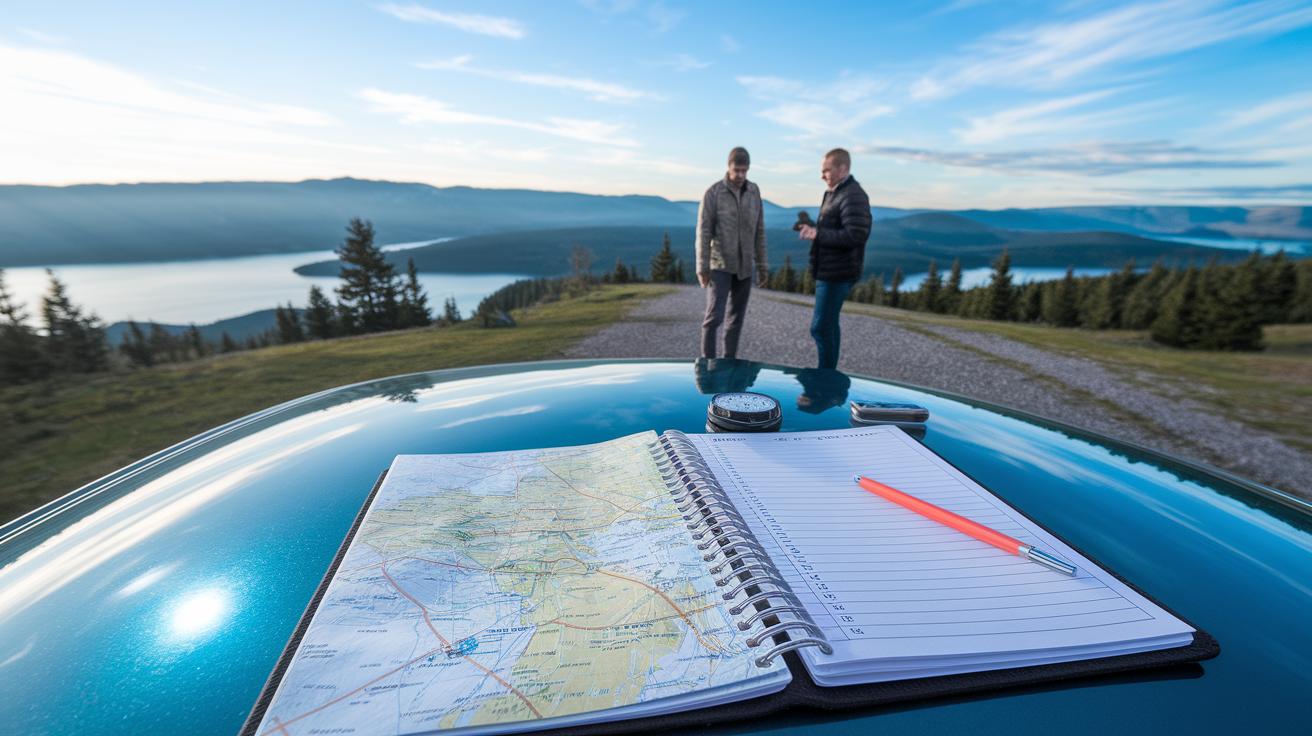
Plan your trip day by day. Write down your driving times, planned stops, and sights you want to see. For instance, you might drive for 4 hours and then take a 30-minute break at a beautiful overlook.
Leave 15-20% extra time every day. This extra time lets you explore unexpected diners or a neat state park if the mood strikes. One traveler I know once set aside 20 extra minutes and discovered a hidden waterfall that became the highlight of the trip.
Before you hit the road, check out local guidebooks and tourism boards. They often list scenic roads, secret viewpoints, and historical spots that you might miss otherwise. Organize your list by what matters most or by their locations so you don’t end up backtracking.
Here are a few ideas to add to your plan:
- Roadside diners for a quick, nostalgic bite
- State parks where a short walk refreshes you
- Photo spots that break up the drive and offer memorable views
Don’t forget to visit travel forums for local tips and off-the-beaten-path attractions. These tips can add vivid flavor to your schedule, ensuring your trip is about the joy of the journey, not just reaching your destination.
Comfort and Entertainment Tips for First Road Trips
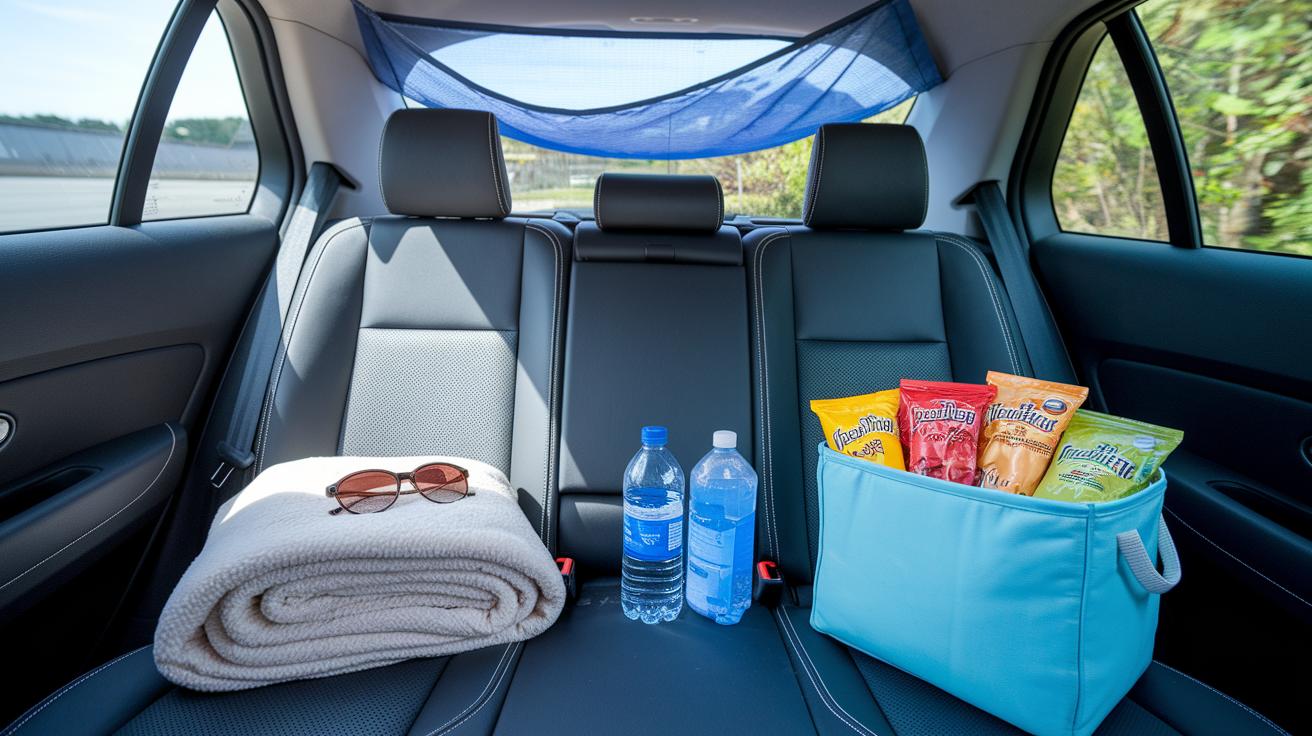
Pack a few comfort items to keep your drive chill and stress-free. Bring a pair of sunglasses (and a spare), a small blanket, a travel pillow, and a sunshade or umbrella for unexpected weather. These easy items can make a long drive feel much cozier. I even heard a friend say, "A travel pillow saved our backs on a 4-hour drive."
Keep yourself hydrated by packing a reusable water bottle and a larger refill jug. Toss in some electrolyte packs for those long stretches without stops. When hunger hits, have a mix of snacks ready, maybe some sweet bits, salty nibbles, and fresh fruit kept in a soft cooler bag so you avoid extra delays.
Set up your car with a mix of entertainment. Load your phone with favorite music playlists, interesting podcasts, or engaging audiobooks. Mix upbeat tunes with calmer tracks to match different moments of the trip. And if you're traveling with kids, consider throwing in some travel games or fun DIY activities like using yarn and clothespins to track distance.
For more top comfort essentials, check out this resource: travel must haves.
Final Words
In the action, we broke down the steps to plan a hassle-free road trip. We covered vehicle checks, packing hacks, budgeting strategies, clear navigation tips, and much more. The guide also showed you how to keep comfort and safety in check while staying flexible. These essential road trip tips for beginners will help you hit the road with confidence and ease. Enjoy your trip, keep it practical, and make memorable stops along the way.
FAQ
Q: What are essential road trip tips for beginners on Reddit?
A: The Reddit tips for beginners call for vehicle checks, detailed itinerary planning, a packing list of emergency tools, and budgeting for fuel, meals, and lodging to keep your trip safe and enjoyable.
Q: What are some road trip tips for families?
A: The road trip tips for families highlight planning frequent rest stops, packing plenty of snacks, organizing in-car games, and ensuring child safety with proper restraints and entertainment.
Q: What are road trip tips for couples?
A: The road trip tips for couples suggest creating a flexible schedule with intimate stops, sharing driving duties, and planning fun activities to strengthen connection while exploring together.
Q: What are some tips for long road trips when traveling alone?
A: The long road trip tips for solo travelers include scheduling regular breaks, downloading offline maps, organizing a mix of music and podcasts for entertainment, and packing a safety kit.
Q: How do you prepare for a road trip checklist?
A: The road trip checklist preparation involves a full vehicle inspection, verifying documents, packing a first aid kit and emergency tools, and planning your route with scheduled stops to prevent fatigue.
Q: What are effective road trip tips when traveling with kids?
A: The road trip tips for trips with kids involve planning extra stops, packing kid-friendly snacks and games, and setting a routine that includes regular breaks to keep everyone comfortable and happy.
Q: What are key road trip essentials for adults?
A: The road trip essentials for adults include a reliable first aid kit, spare tire, necessary documents, emergency repair tools, charged devices with offline maps, and a well-planned budget for unexpected stops.
Q: What are the must-have items for a safe and efficient road trip?
A: The essential items for a road trip cover a vehicle inspection, first aid kit, spare tire, emergency repair tools, charged navigation devices, snacks, and a paper map for backup in areas with limited service.
Q: Is $1000 enough for a road trip?
A: The $1000 road trip budget depends on your route, fuel prices, lodging choices, and meal costs; careful planning and daily expense tracking can help you decide if it fits your trip needs.
Q: What is the most forgotten item when traveling?
A: The frequently forgotten travel item is a charger for your devices, which is crucial for keeping your navigation and communication tools working throughout your trip.
Q: How do you prepare for a 12-hour car ride?
A: The preparation for a 12-hour car ride involves packing comfort gear like travel pillows and blankets, organizing snacks, planning regular breaks, and setting up an entertaining playlist or podcasts to stay alert.