
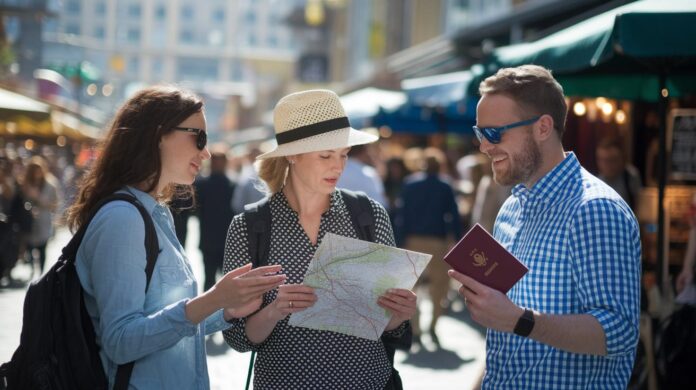
Have you ever felt out of place in a new culture? Local customs and social signals can feel like a secret language. Studies show that most global businesses agree cultural differences shape everyday interactions, so it pays to know the basics. Knowing simple greetings, dining manners, and dress codes can open doors and help you avoid awkward mistakes. We offer easy tips to help you feel like part of the community. Stay with us and learn how to feel at home no matter where you go.
Essential tips for navigating local customs: Embrace Change
Learning local customs means picking up the basic ways people show respect. This covers greetings, dining manners, and dress codes. Over 70% of international businesses say cultural differences affect work and relationships. That means knowing these basics really matters for travelers and professionals alike.
When you adapt to the local way of doing things, you blend in and avoid accidental mistakes. For example, in Japan, where over 25 million visitors come each year, tipping is not practiced and may even be seen as rude. In France, with roughly 100 million annual tourists, using a few French words goes a long way to show you care.
Here are some practical pointers for cultural navigation:
- Check local traditions with reliable sources.
- Learn a few basic greetings and phrases to set a friendly tone.
- Notice dining customs, like when to start eating and how to use utensils.
- Dress appropriately, especially at formal or sacred sites.
- If you slip up, a sincere apology can go a long way.
These simple steps help prevent misunderstandings and build genuine connections with locals. Stay curious and open to new practices, and you'll get the most out of every community you visit.
Pre-Trip Research to Support Essential Tips for Navigating Local Customs

Before you travel, gather current info on local customs from trusted travel blogs, guidebooks, or official tourism sites. Knowing the local way of greeting, dining manners, and hand signals helps you feel prepared when you land.
For instance, in Japan, tipping isn't expected and might even offend. In France, a few basic French words can go a long way in showing respect. In Italy, locals prefer you avoid eating near churches and monuments to keep these spots respectful. In Chile, eating with your hands, even for casual snacks, could be seen as rude, while a thumbs-up in Türkiye might not mean what you think. Always verify cultural details for each destination: local travel secrets for authentic experiences
Also, look at local traditions in other regions. In India, use only your right hand for eating because of its special meaning. In Egypt and other Islamic areas, public displays of affection can upset local customs. In the Middle East, accepting a coffee when offered is a nice sign of respect. And in Mexico, arriving a little later fits with the relaxed view of time there.
Make a list of all these do’s and don’ts by country or region. By comparing several sources, you’ll build a clear picture of what’s expected. This extra research sets you up for smooth, respectful interactions wherever you go.
Essential Do’s and Don’ts for Navigating Local Customs
-
Learn the local greeting.
Do greet with a simple gesture like a bow (Japan) or a cheek-kiss (France).
Don't assume that your usual greeting will be understood. -
Respect local tipping customs.
Do add a small tip in some parts of Europe.
Don't tip in places like Japan where it may come off as impolite. -
Use a few local words.
Do learn a couple of easy phrases in the local language to show respect.
Don't launch into long English explanations. -
Remove your shoes when needed.
Do take off your shoes before entering homes or temples.
Don't wear your outdoor shoes indoors if you're not sure of the local custom. -
Embrace local hospitality.
Do accept the coffee or tea offered in Middle Eastern homes.
Don't refuse these small gestures of goodwill. -
Follow local dining rules.
Do wait for your host to begin eating in many Asian cultures.
Don't start eating too early or without being invited. -
Mind dining etiquette.
Do use your right hand when eating in places like India.
Don't pass or touch shared food with your left hand. -
Dress appropriately.
Do choose modest clothing near religious or meaningful sites.
Don't wear revealing clothes in areas that are considered sacred. -
Respect personal space.
Do adjust to how locals interact, some prefer close contact while others value more distance.
Don't think that different spacing means you're being rude. -
Adapt your timing.
Do align with local ideas of punctuality or a relaxed schedule.
Don't insist on sticking strictly to your own timing.
Observational Tips for Navigating Local Customs

When you're exploring a new place, notice the small cues around you. Listen to how folks talk, watch their gestures, and see how they make eye contact. These hints often speak louder than formal rules. For example, sometimes a firm handshake works best, while in other situations a gentle bow feels friendlier. Also, pay attention to how close people stand and how quickly conversations move.
Watch how groups interact. Notice who starts the conversation or meal and who easily blends into the background. See how elders or respected locals lead discussions. Use these clues to help guide your own actions without drawing too much attention.
Keep an eye on body language when you join in the chat. A smile, a nod, or even a raised eyebrow can quickly tell you if your words or actions fit in or need a little tweaking. This careful watching gives you a better idea of what’s welcome in that setting.
For more tips on how to blend in and enjoy your journey, check out our guide on how to travel like a local.
Apology and Adjustment Tips for Navigating Local Customs
Sometimes you might make a mistake with local customs. A quick, honest apology can ease the tension. You can say, "I'm sorry – I didn't know that was not okay," to show you genuinely respect their traditions.
After your apology, pause and think about what went wrong. Figure out where the mix-up came from, learn the correct way, and plan to do better next time. It’s like recalibrating after a small error. For example, if you used the wrong hand for eating or misunderstood a greeting, learn the proper gesture for your next encounter.
A small follow-up gesture can also make a difference. Consider giving a thank-you note or a small gift if it feels right. These thoughtful acts show that you truly value learning about the local culture and help keep connections warm despite the slip-up.
Final Words
In the action, this guide breaks down cultural etiquette, giving you clear ways to adjust to local customs. The post covers greetings, dining manners, dress codes, and subtle nonverbal signals. It also explains how quick research and a sincere apology can mend minor missteps.
Ready to make every visit smoother? Use these essential tips for navigating local customs to keep your trip efficient, respectful, and truly memorable.
FAQ
Q: What are five essential tips for navigating local customs?
A: The five essential tips for navigating local customs mean you should research greetings, dress codes, dining manners, punctuality, and nonverbal cues to show respect and fit in during your trip.
Q: What is cultural etiquette around the world?
A: The cultural etiquette around the world means understanding local social rules like greetings, dining manners, and dress codes. These practices help you show respect and build trust when meeting people abroad.
Q: Can you give examples of cultural etiquette?
A: The cultural etiquette examples include bowing in Japan, cheek-kissing in France, and using the right hand for eating in India. These actions signal respect for local customs and traditions.
Q: What is cultural etiquette?
A: The definition of cultural etiquette means the set of guidelines for behavior in any society. It covers greetings, dress, dining manners, and gestures that show respect in different communities.
Q: What does international etiquette involve?
A: The international etiquette involves following local social rules, speaking a few local phrases, adjusting your punctuality, and using acceptable gestures to communicate respect in global settings.
Q: What do I need to know before going through customs?
A: The rules before going through customs mean checking local entry requirements, carrying proper documentation, and understanding permitted items and declaration rules to avoid delays.
Q: How do you respect local customs and traditions when working in different communities?
A: The approach to respecting local customs at work means doing your research, seeking advice from local colleagues, and showing genuine politeness when interacting with community members.
Q: How do you avoid issues during customs when traveling?
A: The guidelines to avoid issues during customs mean not carrying prohibited items, following security instructions, keeping your documents ready, and adhering to local border procedures.
Q: How do you navigate cultural differences on the go?
A: The method to navigate cultural differences means paying attention to local behavior, using basic local expressions, and clearly observing nonverbal cues, so you can adjust your actions and communicate clearly.