
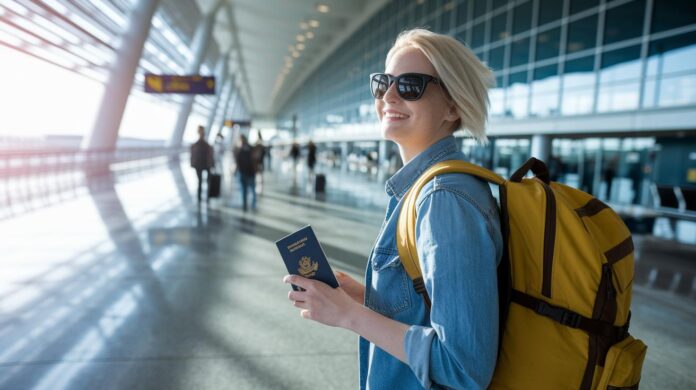
Ever worry that a small health slip could mess up your trip? Before you pack, check with your doctor about any needed shots and local care tips. I once met a traveler who felt much safer after one quick booster shot. Staying hydrated and carrying a basic first aid kit can really help out on the road. These tips give you the tools to stay healthy and feel confident wherever you roam.
Essential Travel Health Tips for Any Destination
Before you leave home, get ready by checking in with your doctor. Ask about any vaccines you might need and if there are special health tips for the place you're visiting. I once met a traveler who said a booster shot saved her trip, so it's worth taking that extra step.
While traveling, keep stress low and stay well hydrated. Pack a refillable water bottle and drink water often, before, during, and after your flights, to fight off jet lag and dry skin. A travel-sized hand sanitizer with at least 60% alcohol is a handy way to keep germs at bay, especially in busy spots like airports.
When you reach your destination, pay attention to local water safety signs. Look for symbols like a glass with a red "X" or words like Trinkwasser (drinking water) vs. Kein Trinkwasser (not safe to drink). Be ready for sudden changes in weather by packing layers, and remember to leave some space in your bag for any souvenirs. If you're not feeling well, rest up and take it easy so you can enjoy your trip safely.
Trip Medical Checklist: Building a Portable First Aid Kit

When you're traveling, having a small, well-stocked medical kit can make a big difference. It helps you handle minor bumps, scrapes, or a sudden headache without needing to hunt for supplies in a new place.
Here’s a list of essentials to pack:
- Ibuprofen for pain
- Motion-sickness tablets
- Allergy medications
- Electrolyte packets
- Adhesive bandages
- Antiseptic wipes
- Blister pads
- Tweezers
Keep your medicines in their original bottles so the labels remain clear. It’s also smart to have an extra copy of your prescriptions with you, tucked in with your other important documents. This can come in handy if you need to show proof of your medication when you're away from home.
For extra peace of mind, pack your first aid kit in your carry-on luggage. This way, even if your checked bags are delayed, you’ll have everything you need at hand. For more ideas on how to pack your medicine kit efficiently, check out these smart packing tips (https://thetravelinginsider.com?p=735).
Journey Immunization Advice and Vaccine Recommendations Abroad
Before you travel, check your shot list. Get vaccines like tetanus-diphtheria and MMR at least 4–6 weeks ahead of your trip. A quick visit to your doctor or a travel health specialist can update your records and figure out if you need any extra protection.
Different countries have different vaccine needs. For example, some places require a yellow fever shot (and its certificate), and others might call for typhoid, hepatitis A, or even rabies vaccines. A pre-trip appointment is a simple way to make sure your boosters match the local health risks of your destination.
Keep your vaccine documents handy. Carry your official vaccination certificates, like your yellow fever card, in both paper and digital forms. This helps speed up border checks and makes any doctor visits easier, so you can focus on enjoying your adventure safely.
Destination Hygiene Practices for Safe Eating and Drinking
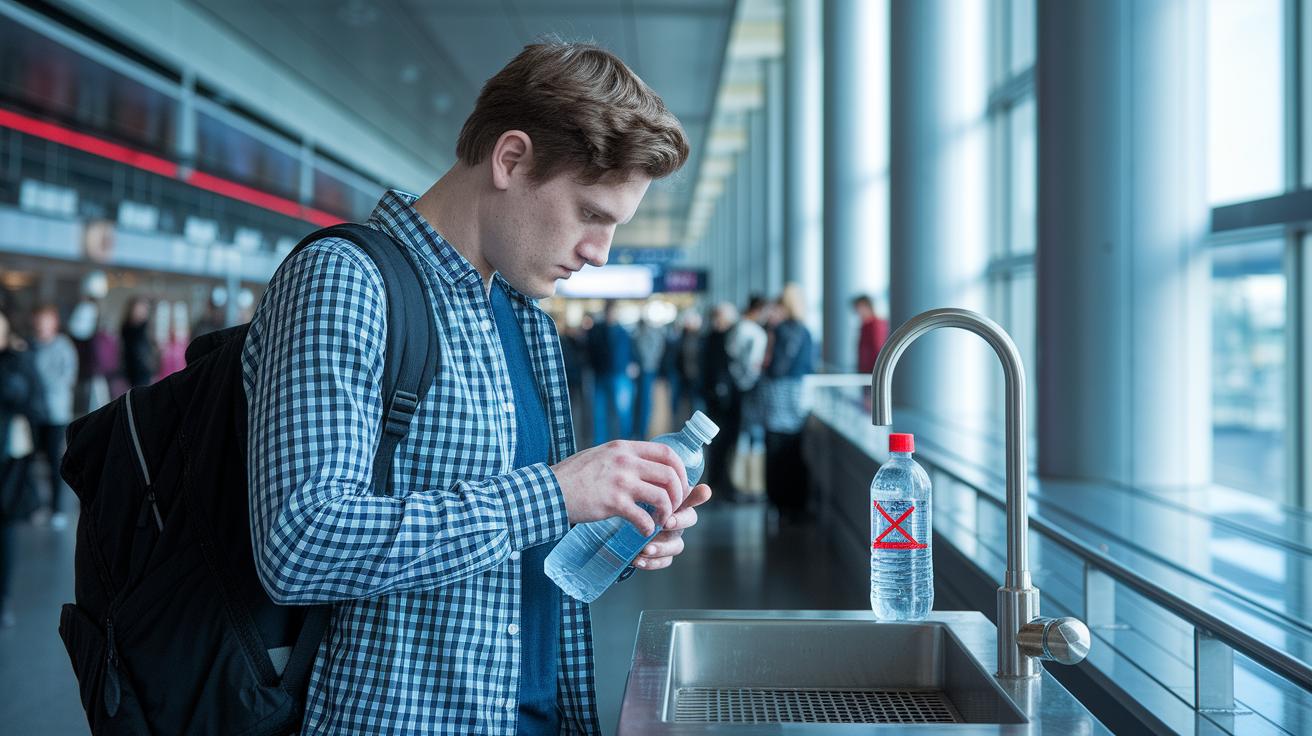
When you travel, picking safe water is a must. Stick with sealed bottled water and skip the ice since it might be made from tap water. Look around for warning signs like a tap marked with a red X at airports, train stations, or public taps. These symbols tell you the water isn’t safe, and paying attention can help you steer clear of illness and unexpected doctor visits.
Keep your hands clean too. Wash before you eat and after touching things that many people handle. Carry a small sanitizer (with at least 60% alcohol) for times when soap and water aren’t available. Use it at airport kiosks, on buses, and even at busy market stalls. Simple habits like these help cut down on germs and keep your trip more enjoyable.
When it comes to food, choose dishes that are cooked well. Hot meals and steamed veggies reduce the risk of foodborne issues, and they’re safer than raw or unpasteurized options. Stick to fruits and vegetables washed with bottled or filtered water. Adjust what you eat based on the local climate and dining style to keep your adventure safe and tasty. Stay alert and enjoy your trip!
Preventive Strategies: Sun Protection, Hydration, and Sleep Management
Sun protection is a must on every trip. Before you head out, put on a travel-size sunscreen (SPF 30+) even if the sky is cloudy. This simple step guards your skin during long days of hiking, sightseeing, or lounging by the pool. If you’re sweating or taking a swim, reapply to prevent sunburn and harmful UV damage.
Staying hydrated is just as crucial. Keep a refillable water bottle with you so you always have water handy. Many airports now offer touchless-fill stations, which are a quick and clean way to refill on the go. Sipping small amounts of water throughout the day will keep your energy up and help you avoid dehydration.
Good sleep is a game changer, especially when traveling. In your hotel or hostel, use an eye mask and earplugs for a deeper, more refreshing sleep. After long flights, try light stretching or a short walk to boost circulation and reduce fatigue. You might also adjust your sleep schedule a few days before your trip to help your body get used to a new time zone and ease jet lag.
Managing Common Travel Ailments: On-the-Go Remedies and Care Protocols
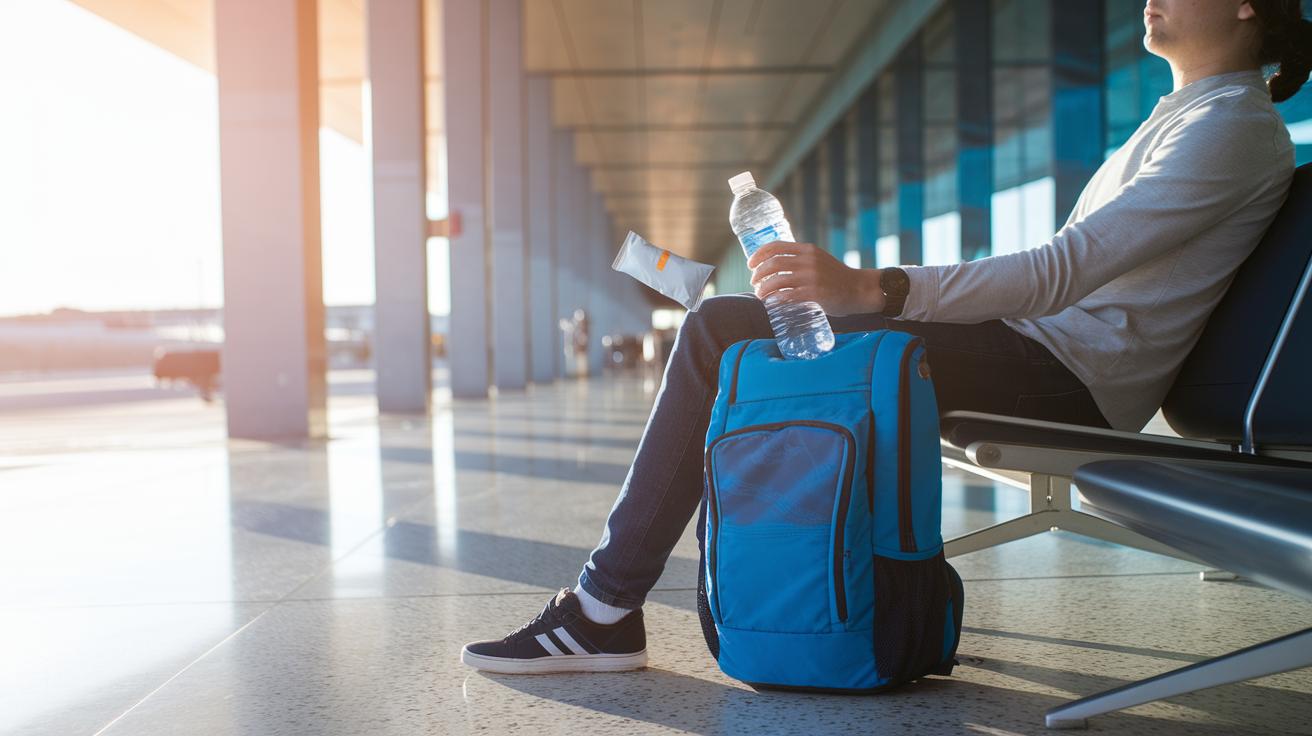
Travel can bring minor health hiccups that slow you down if you don't take quick action. When a little discomfort hits, a fast, simple fix can keep things moving smoothly. Having a plan for issues like dehydration, sunburn, motion sickness, blisters, and jet lag can really help when you're on the road.
If you start feeling lightheaded or a bit tired, take a pause. Grab some water and use an electrolyte packet to stay balanced. These simple steps, along with a mini first aid kit, turn little troubles into manageable moments.
| Ailment | Prevention Tips | On-the-Go Remedy |
|---|---|---|
| Dehydration | Drink water often before symptoms start | Electrolyte packets |
| Sunburn | Wear sunscreen and a hat | A cool compress or aloe gel |
| Motion Sickness | Pick a seat with less movement | Motion-sickness medicine |
| Blisters | Wear comfy shoes and use foot guards | Blister pads |
| Jet Lag | Adjust your sleep schedule early | Eye mask and earplugs |
Keep a well-stocked first aid kit in your carry-on so you can quickly grab what you need. Use these remedies to ease symptoms before they get worse. If you feel off, take a short rest and dial back on your plans until you feel better. This mix of quick self-care and ready supplies helps you stay healthy and enjoy every part of your trip.
Emergency Medical Preparedness: Contacts, Apps, and Insurance Essentials
Before you leave, double-check your emergency contacts. Look up and store local numbers for services like police and ambulance directly on your phone. Also, get travel insurance that covers medical evacuation and offers 24/7 Telehealth so you can get help fast. Save these contacts digitally and keep a printed copy in your bag, just in case.
Smartphone apps can be a lifesaver when you need quick medical advice. Install health-monitoring apps that track your vital signs and let you talk to a doctor remotely. These Telehealth services give you on-demand support if you feel ill, which is crucial when you're far from home. They also help you overcome language barriers and navigate unfamiliar healthcare systems with a few taps.
When you land in a new area, know where you can find local care. Check out nearby hospitals and urgent care clinics, and see if they offer services like EpiPen refills or insulin. Do a bit of research ahead of time so you always know where to go in an emergency. Keep a printed directory or offline map of local medical providers, so you can find professional care quickly when you need it most.
Final Words
In the action, this guide breaks down proactive planning, on-route care, and smart destination choices. We gave you clear steps like doctor consultations, CLEAR+ for stress reduction, and practical tips for hydrating and staying safe.
We also touched on assembling a portable first aid kit, keeping immunizations updated, and managing common travel ailments. With essential travel health tips in your toolkit, you'll be ready to enjoy every trip with confidence and ease.
Happy travels!
FAQ
What are essential travel health tips?
The essential travel health tips mean preparing before departure by consulting a doctor, staying hydrated during flights, practicing frequent handwashing, and following local water guidelines to help prevent illnesses.
How can you stay healthy while traveling for work?
Staying healthy while traveling for work involves balancing your schedule with enough rest, keeping up with regular hygiene, staying well-hydrated, and making smart meal choices to minimize getting sick.
Where can you find travel safety tips in a PDF?
Travel safety tips in a PDF are available from trusted online travel sources that offer ready-to-use checklists, guidelines on keeping valuables secure, and advice on managing risks while on the move.
What constitutes an essential travel medicine kit?
An essential travel medicine kit should include basic items like ibuprofen, allergy medications, motion-sickness tablets, electrolyte packets, adhesive bandages, antiseptic wipes, blister pads, and tweezers for minor ailments.
What are your top 10 travel tips?
The top 10 travel tips include planning ahead, staying hydrated, packing a portable first aid kit, keeping your valuables secure, verifying travel documents, checking local requirements, and consulting health advisories before your trip.
What is the most essential thing for travelers?
The most essential thing for travelers is thorough preparation—ensuring you have up-to-date immunizations, proper travel insurance, a well-stocked medical kit, and clear plans to maintain your health and safety.
How do CDC travel vaccines vary by country?
CDC travel vaccines vary by country according to local health risks. Recommendations might include yellow fever, typhoid, hepatitis A, or rabies vaccines. Visit the CDC website for current, destination-specific vaccine advice.
How can you boost your immune system when traveling?
Boosting your immune system while traveling involves maintaining balanced nutrition, staying well-rested, hydrating often, managing stress, and possibly using vitamins or supplements to support your overall health.