

Ever worry that a small error with your travel papers could ruin your whole trip? A missed rule or the wrong visa might lead to delays, extra fees, or even being turned away at the gate.
In this guide, we'll show you how to check if your passport is in order, understand the visa rules for different countries, and plan ahead to avoid any last-minute stress. Follow these steps so you can set off on your journey with confidence and peace of mind.
Essential Steps for Travel Documentation and Visa Requirements
Start getting your travel documents and visas in order at least 2-3 months before you leave. First, check that your passport is valid for at least 6 months and has enough blank pages for stamps. This small step can save you from delays or issues at the boarding gate.
Keep in mind that every country has its own rules. You may need a visa-free permit, a visa on arrival, or an e-visa. It’s important to know which option applies to your destination.
Visa fees and processing times can differ a lot. For example, Egypt usually offers a visa on arrival for around $25, while a multiple-entry visa for Russia might cost about $270. Not having the correct visa can mean denied boarding or extra costs. That’s why checking these details early can make your trip much smoother.
Here’s a clear list of what you should do:
- Begin your visa applications 2-3 months ahead of your trip.
- Confirm your passport remains valid for at least 6 months and has enough blank pages.
- Research each country’s entry requirements (visa-free, on arrival, or e-visa).
- Find out the specific visa fees and how long processing takes (for instance, Egypt’s visa on arrival at ~$25 vs. Russia’s multiple-entry visa at ~$270).
- Be aware that missing a required visa can lead to boarding issues or delays.
- Organize all your application materials (forms, photos, translations, notarizations) in the proper order.
Also, double-check that your travel itinerary matches your passport details. Taking the time for these careful steps ensures you have all the right documents ready before you hit the road.
Passport Requirements and Renewal Procedures for International Travel
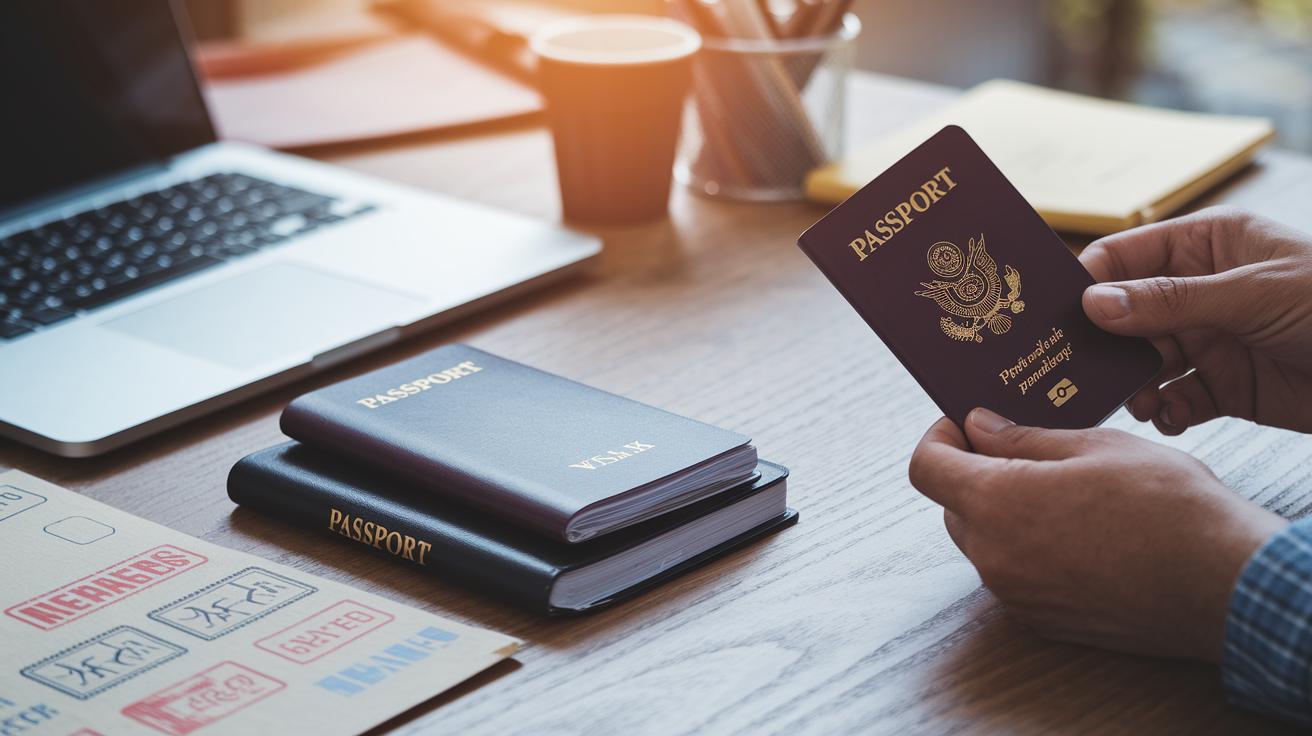
Start by checking your passport details. U.S. adult passports last 10 years and cost $130, plus a $35 fee. For minors, the passport is good for 5 years and costs $100 plus the $35 fee. Children under 16 must apply in person with a parent and a birth certificate. If you travel by land or sea to nearby spots like Canada, Mexico, Bermuda, or the Caribbean, you might choose a passport card instead.
Make sure your passport has plenty of blank visa pages. If you’re running low, ask the issuing agency for extra pages before you head out. This simple step can save you from travel delays.
Protect your passport while you’re on the go. Save digital and paper copies of the passport data page. It also helps to carry two printed passport photos for backup. These copies come in handy if you lose or damage your passport. Keep your passport in a secure money belt or a lockable pouch to lower the risk of theft or loss.
Remember these key points:
- Check your passport’s expiration date and fees.
- Gather all necessary documents for minors before applying.
- Choose between a passport book and a passport card based on your travel plans.
- Make backup copies and store your passport safely.
Understanding Visa Clearance Requirements by Destination
Visa rules change a lot from country to country. Some places let you enter without a visa. For example, U.S. travelers can visit Turkey for up to 90 days without a visa. Many Schengen countries let you stay for up to 90 days in a 180-day period, and some visitors can spend up to 6 months in the UK visa-free. Knowing these rules can make planning your trip easier.
Other countries, like Kenya, Armenia, and Paraguay, let you get a visa when you arrive. This means you finish the visa process at the airport or border. For instance, Egypt charges around USD 25 for a visa on arrival if you meet the requirements. Still, many nations want you to secure a visa before you board your flight.
Many destinations, especially in Europe, now require electronic approvals. Starting in late 2026, most European countries will need an ETIAS, a simple online form and fee, to enter. The UK also uses an ETA for travelers. Meanwhile, some places like Russia still need the old-fashioned embassy visa. A multiple-entry visa there might cost about USD 270, and processing times can range from normal to express, with fees rising for faster service.
| Visa Type | Duration | Fee | Processing Time |
|---|---|---|---|
| Visa-Free | Up to 90 days / 6 months | $0 | N/A |
| Visa on Arrival | Varies (e.g., 30 days) | $25 (Egypt) | On landing |
| E-Authorization | Depends on country | Small fee | Online, quick |
| Embassy Visa | Varies | $270 (Russia, multiple-entry) | Normal/Express/Urgent |
Always check the specific visa rules for your destination before you travel.
Preparing a Consistent Visa Application Itinerary
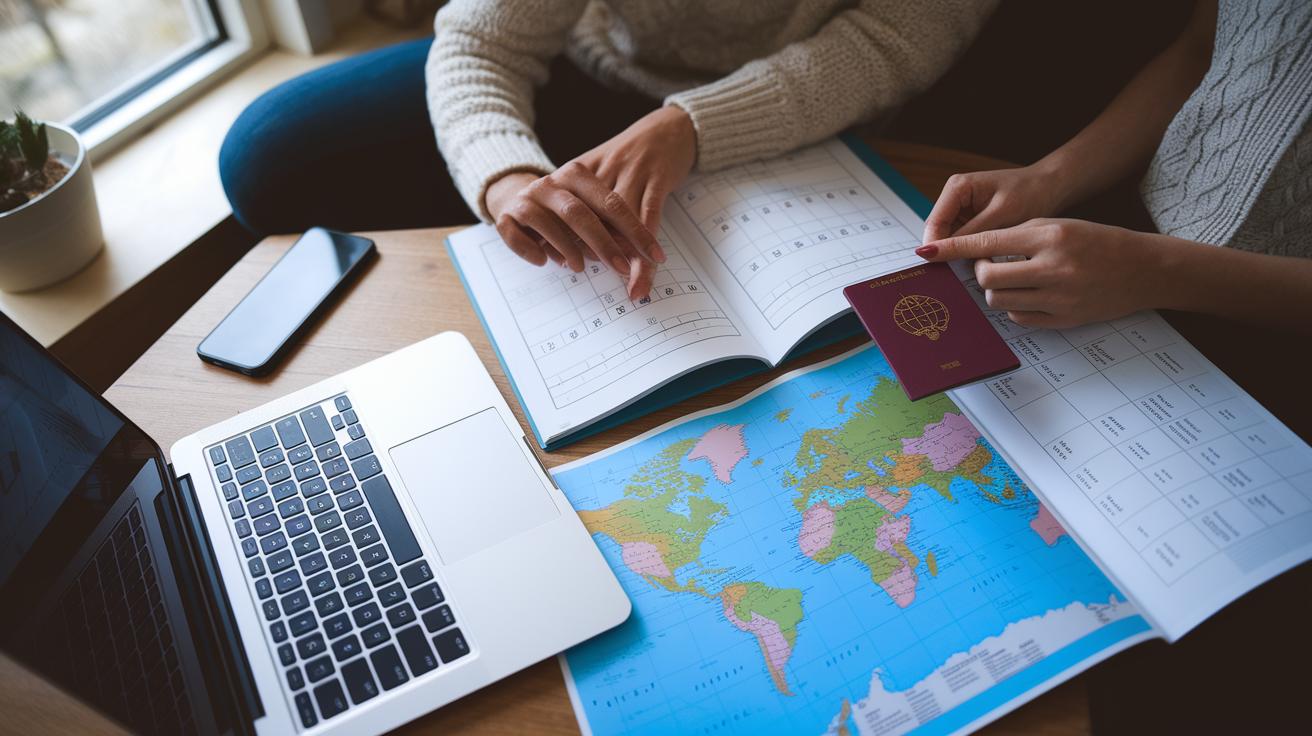
Check that your travel plan matches your passport details exactly to avoid problems. Use flight bookings that reserve your seat without having to buy the ticket right away. For example, the Spanish consulate advises waiting for visa approval to save on costs. Also, pick accommodation options that let you cancel easily if your visa is not granted.
Plan your days carefully. Stick to a realistic schedule so you don't try to visit several major sights in one day. This planning, combined with matching your passport details, makes your application clear and trustworthy.
Keep in mind these five simple tips:
- Your itinerary must mirror your passport exactly.
- Use temporary flight bookings.
- Choose flexible places to stay.
- Plan a day-to-day schedule that is doable.
- Avoid cramming too many visits into one day.
Following these pointers can boost your chances. In 2023, about 16% of Schengen visa applications were turned down because the travel plans were poorly mapped out. Stick to these official consulate tips to build an itinerary that meets embassy expectations.
Comprehensive Document Checklist and Application Strategies
Most travelers already have the basic documents mentioned earlier, like a passport copy, filled visa form, passport photos, proof of accommodation, flight details, bank statements, and travel insurance. This section covers extra details that may need your extra care.
If you are traveling with a minor, add extra papers like a birth certificate and a notarized parental consent letter. For example, if your 10-year-old is traveling, carry a notarized note from a parent that gives travel permission.
Student travelers should also bring a current school ID to get any discounts. And if you plan to drive in some European countries, remember to pack your driver’s license along with an International Driving Permit.
Always check with your embassy for any extra rules, like if you need further translations or notarizations. Save your fee receipts, whether you paid online or in person, because they can help clear up any issues later.
If your visa application feels too complex, you might want to use a visa processing agency. One traveler mentioned that an agency helped sort out extra documents, such as translated bank statements, when things got overwhelming.
- For minors: Carry a birth certificate and a notarized parental consent letter.
- For students: Bring a current school ID.
- For drivers: Include an International Driving Permit if needed.
- Check if you need extra translations or notarizations.
- Keep your fee payment receipts.
- Consider a visa processing agency for complex applications.
Special Cases: Minors, Students, and Group Travel Documentation

If you are traveling with a child or minor, remember they need extra documents. Each child must have their own visa, a birth certificate, and a notarized letter of consent if they are not with both parents. It's a smart idea to prepare extra copies of these papers early so your trip goes smoothly.
For students under 26, carrying a current school ID can help. It may even get you discounts on entry fees or transit services at some spots. This small step shows that your application meets the destination's specific rules.
Group travel has its own set of challenges. When you travel as a group, you might need a master invitation letter or a group travel affidavit along with every traveler's passport. Some embassies also set up interviews for first-time group applications, so be ready with clear and consistent answers. By gathering all required documents, including extra papers for minors and proper IDs for students, you can avoid delays at the embassy and enjoy a smoother process.
Digital Tools and Backup Strategies for Secure Documentation
If you plan to apply for an e-visa, staying digitally organized is a smart move. Keep a special folder on your device where you can store all your visa forms, payment receipts, and emails from embassies. You can also use travel apps to scan your documents and set reminders for important deadlines. This backup helps you avoid losing crucial papers when you need them most.
It’s a good idea to save copies of your documents in cloud storage and even email them to someone you trust. Plus, pack printed copies of essential documents and extra passport photos in a waterproof pouch for extra security. Using your mobile wallet to store boarding passes and e-visas can also help speed up border checks.
Key backup tips:
- Set up a digital folder for all travel documents.
- Use travel apps to scan documents and set reminders.
- Back up documents in cloud storage and email a copy to a trusted contact.
- Carry printed copies and extra passport photos in a waterproof pouch.
- Use mobile wallet features for boarding passes and e-visas.
These easy steps help keep your travel documents safe and ready whenever you need them.
Handling Visa Denials and Emergency Document Solutions
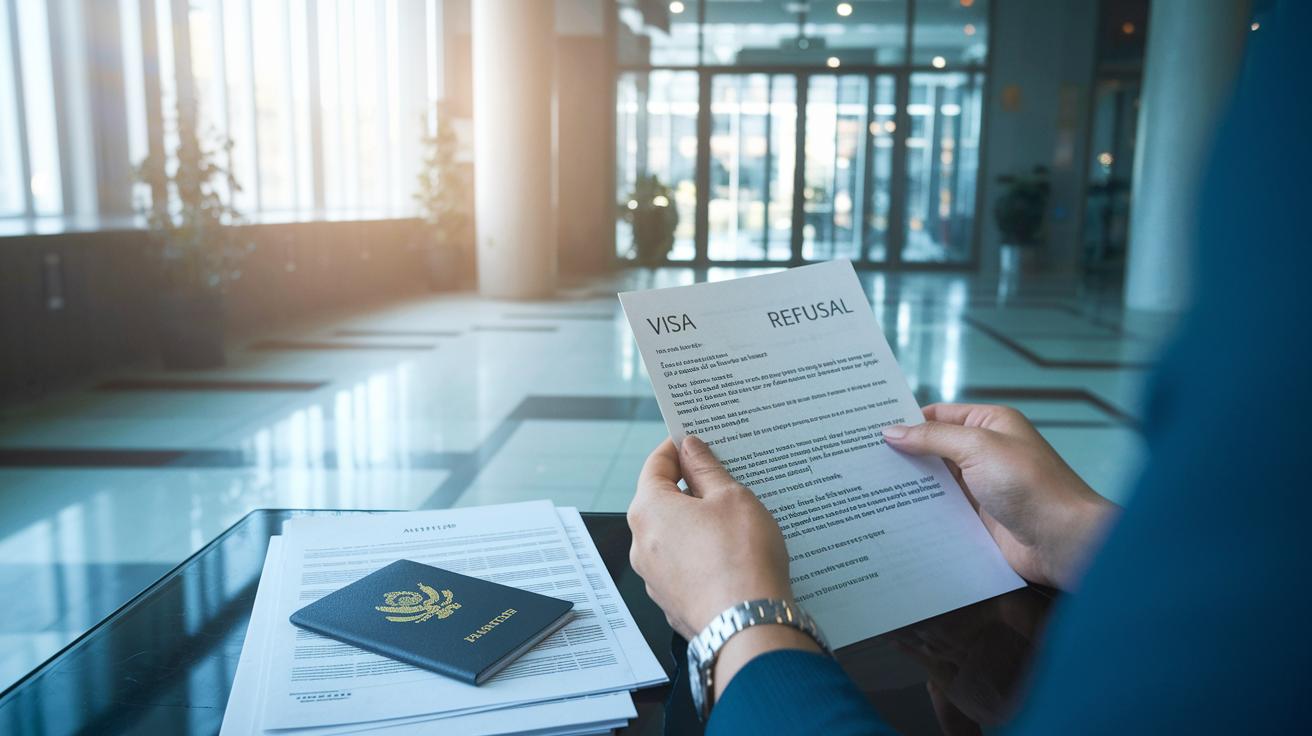
If your visa application is not approved, take a close look at the refusal notice. It tells you exactly why your application was turned down, maybe personal details didn’t match or some documents were missing. Check all forms, photos, notarizations, and translations to fix any mistakes before you reapply. Some embassies let you speed up the process or even appeal the decision, but remember that options and deadlines vary by country. For example, if a minor's birth certificate was accidentally left out, you need to correct this as soon as possible.
If you lose your passport or it is stolen while you’re away, call the nearest consulate right away. They can issue an emergency travel document or a temporary passport so you can return home. Keep your embassy and consulate contact numbers handy and know their local hours of operation. Travel insurance often covers fees for replacing lost documents and courier costs, which can help keep your travel plans on track.
- Carefully read the refusal notice to spot any errors.
- Fix your paperwork and reapply with complete, correct documents.
- Call the nearest consulate immediately if your passport is lost or stolen.
- Keep embassy contact info and office hours easily accessible.
- Review your travel insurance to see if it covers document replacement costs.
Final Words
In the action, we explained key steps to secure your travel documents and clear visa approvals. You learned how to check passport rules, sort visa options, and create a matching itinerary. Small tips like preparing digital backups and knowing fees make a big difference at the border.
This post acts as a practical guide to travel documentation and visa requirements. Keep these steps in mind to plan smoothly and enjoy a worry-free trip ahead.
FAQ
What does a travel documents checklist include?
The travel documents checklist includes items like your passport, visa, travel insurance, flight reservations, and proof of accommodation. A downloadable PDF checklist can help you verify you have all required papers.
What are the necessary documents needed to travel abroad?
The necessary documents needed for international travel normally include a valid passport (with at least six months’ validity), the appropriate visas, flight details, accommodation proof, and travel insurance.
What tips help first-time travelers and where can I find a packing list PDF?
The tips for traveling abroad for the first time include checking your travel document requirements ahead of time, researching visa needs, and using a packing list PDF to ensure you pack essentials while avoiding prohibited items.
What should you avoid bringing when traveling internationally?
The advice on what not to bring when traveling internationally means leaving behind items such as excessive liquids, sharp objects, and any other prohibited items that may cause problems at security or customs.
What are the three main importance of travel documents?
The three main importances of travel documents are to confirm your identity for boarding, satisfy visa and entry rules, and provide access to support services abroad during unexpected situations.