
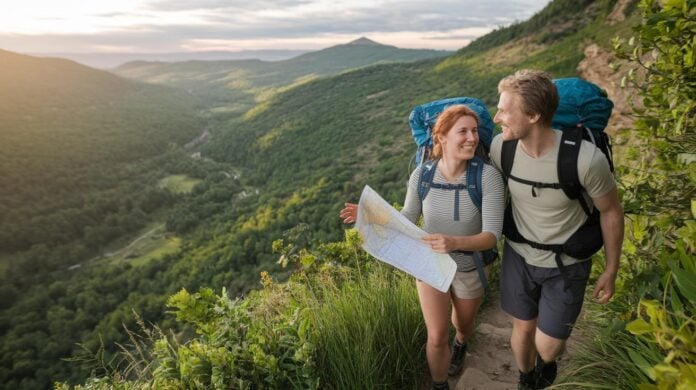
Ever feel that hurrying through tourist spots makes you miss the heart of travel? Slow travel is more than a break from a busy schedule. It lets you truly connect with a place.
Imagine spending a relaxed morning with a local chef or taking a quiet walk through a neighborhood market. When you slow down, you can enjoy everyday moments, boost your mood, and even save some money.
Taking it slow turns every trip into a special, personal experience full of joy.
slow travel benefits: Embrace Joyful Living
Slow travel lets you stay in one place and truly enjoy the local vibe. Instead of checking off many spots, you can relax at a friendly café or wander through a quiet neighborhood market.
Imagine spending a whole morning with a local chef. You learn old recipes and get a real taste of daily life at an easy pace.
Taking your time can help clear your mind. You have more chances to write in a journal, meditate, or simply watch the sunset. Choose buses, trains, or even a bike ride for a greener trip. Plus, longer stays often mean lower nightly rates and extra perks to boost your budget.
Real stories show that slow travel offers rewards fast trips miss. Picture exploring the Swiss Alps by train over several days. This slower pace invites real chats with locals and plenty of time with nature. Or picture diving deep into Spanish food culture, extra days let you become a regular at a local eatery. These longer visits create genuine cultural connections, boost your well-being, and help you save money while making lasting memories.
Deep Cultural Benefits of Slow Travel
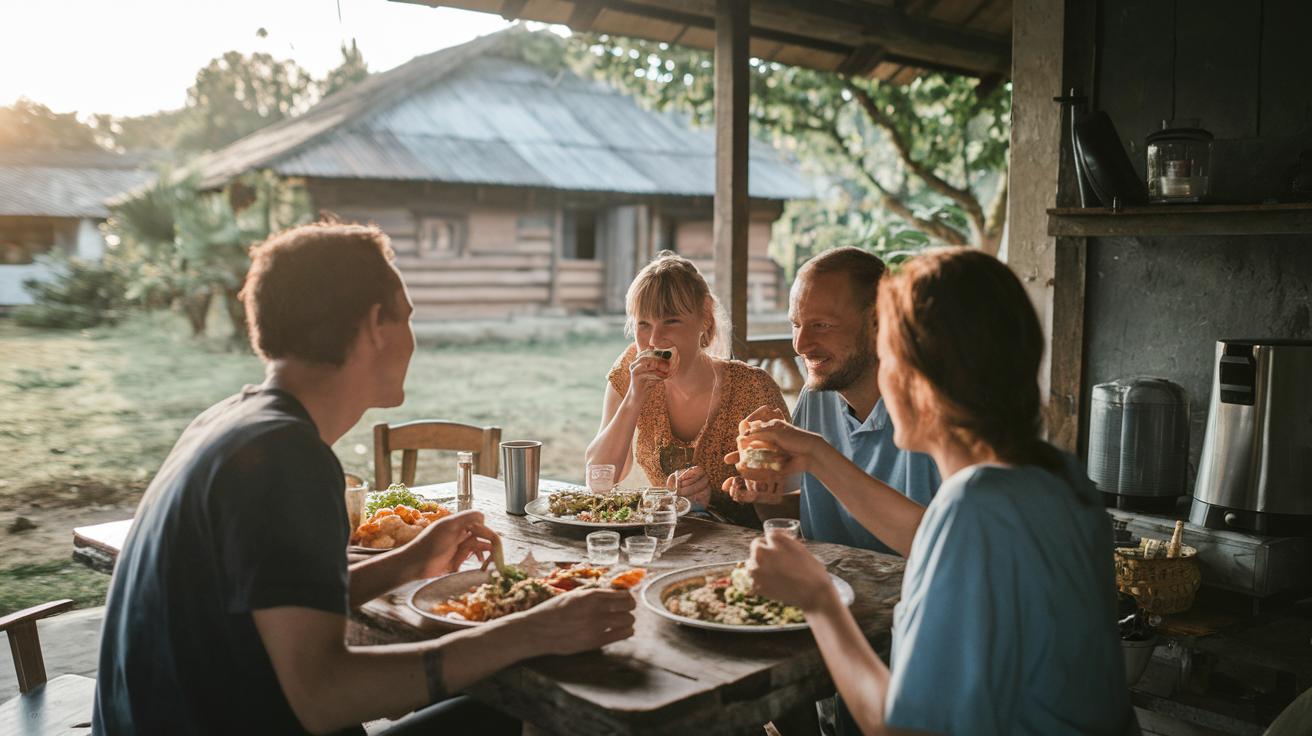
Slow travel lets you really connect with a place. When you stay longer, you build bonds with the locals and turn your trip into a true adventure. This method brings you authentic moments that go well beyond the usual tourist stops.
- Share a home-cooked meal with a local family
- Check out neighborhood festivals and local rituals
- Take part in a craft or farm-to-table workshop
- Volunteer or help out in community projects
- Sleep in a family-run guesthouse or homestay
By joining these experiences, you quickly become a familiar face in the community. You’ll learn more about local customs while also supporting cultural heritage tourism. These genuine connections help you find hidden spots, pick up regional recipes, and share in local traditions that fast-paced tours often skip. Every encounter adds to a personal story that makes your travel memories richer and leaves a lasting mark on you and the community you visit.
Environmental Benefits of Slow Travel
Slow travel helps your wallet and the planet. It supports local communities and keeps our world cleaner.
Low-Impact Transport
Taking the train can cut travel emissions by up to 90% compared to flying. Walking or biking not only lowers pollution but also lets you enjoy local sights up close. For example, swapping a short flight for a scenic train ride can really shrink your travel footprint.
Responsible Accommodation
Family-run lodgings, like Costa Rica's Pacuare Lodge, use fewer resources. Staying longer at small guesthouses can mean lower energy use per night, about 30% less compared to big hotels. This means you enjoy a cozy, genuine experience while easing the load on the environment.
Conscious Consumption
Buying food locally trims food miles and cuts waste. Using seasonal ingredients from nearby markets keeps transport emissions low and supports local businesses. For example, prepping meals with fresh market finds can reduce related transport emissions by around 20%.
Each smart choice, from low-impact travel to mindful dining, moves us toward a cleaner, more sustainable future.
Well-Being Benefits of Slow Travel
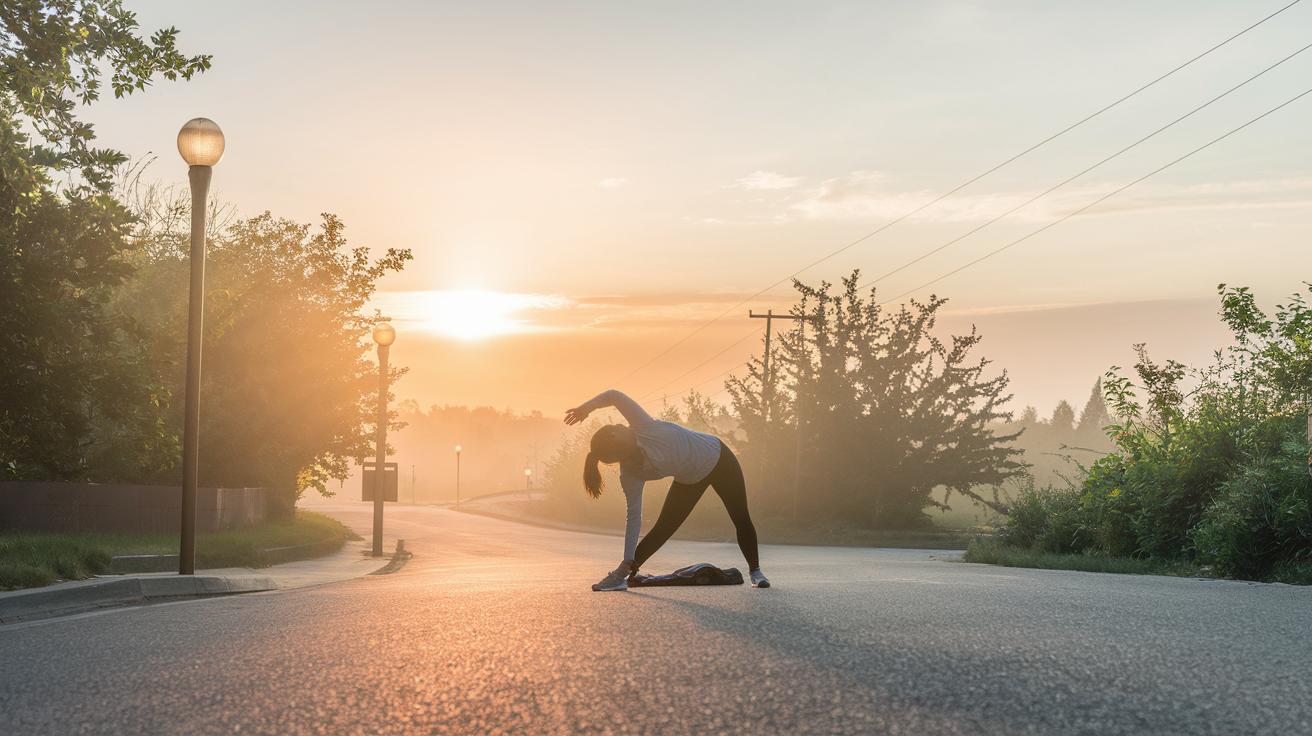
When you leave a packed schedule behind, you give yourself a chance to relax and recharge. You wake up naturally, enjoy a quiet breakfast, and take your time exploring each place. This easy pace helps clear away stress and tiredness so you can really take in your surroundings. Imagine starting your day with a gentle stretch while watching the sunrise – it sets a calm tone for the hours ahead.
Taking a moment for quiet reflection boosts these benefits even more. You might try writing in a journal outdoors or join a local yoga class in nature. A few minutes of morning meditation can help you focus on life’s simple pleasures and bring inner balance. These mindful practices sharpen your mental clarity and lift your spirits, turning every day into a refreshing experience.
Budget Benefits of Slow Travel
When you stay in one place longer, you can cut your travel costs every day. Extended stays offer perks like discounted weekly or monthly rates, and sometimes you even get room upgrades that short trips don’t offer. Using local transport passes instead of booking many flights can also save you money, while cooking meals from fresh market finds can lower your dining costs. Traveling during off-peak times means lower prices and fewer crowds, and making friendly ties with hosts might even unlock extra benefits.
For example, renting an apartment for a week can be up to 30% cheaper than a hotel, and rail passes can save you $100–$200 compared to multiple short flights. These savings let you travel at a relaxed pace and enjoy real local experiences without stretching your budget.
| Benefit | Example | Estimated Savings |
|---|---|---|
| Extended Stay Perks | Weekly apartment rental vs. hotel | Up to 30% off |
| Local Transport | Rail pass vs. multiple flights | $100–$200 saved |
| Home-Cooked Meals | Groceries vs. restaurant dining | $15–$25 per meal |
Lower daily costs mean you can spend more time exploring local culture and less time worrying about money. Every saved dollar makes your trip smoother and more enjoyable.
Slow Travel Planning Benefits
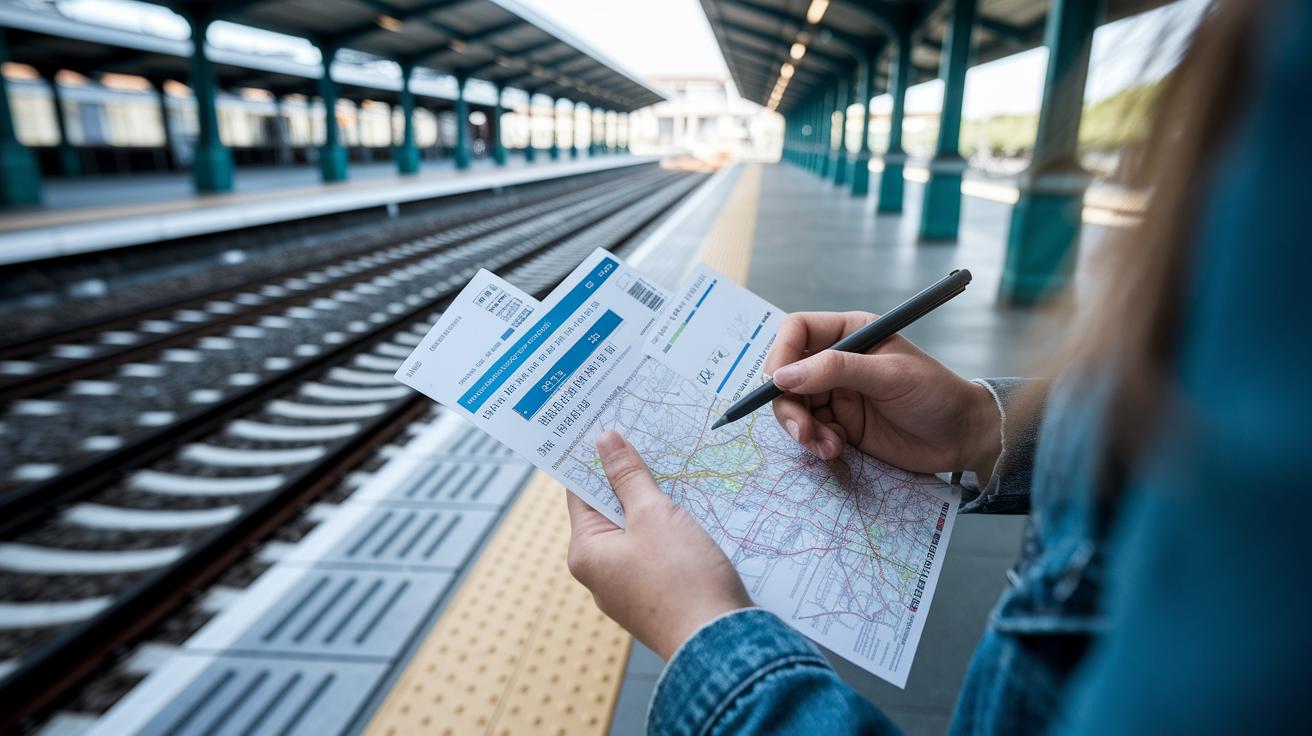
Crafting Intentional Itineraries
When planning your trip, look up your destination and check off-peak times to keep your schedule relaxed. Use extra days to enjoy local events or unexpected stops. For example, plan a multi-day train ride in the Swiss Alps so you can easily enjoy surprise scenic views.
Selecting Local Transport
Before you travel, compare trains, buses, and bike rentals to see which works best for you. Check schedules with a local travel guide to verify times. Booking your travel in advance helps reduce stress and prevents delays.
Engaging Local Experiences
Mix in short local activities to truly experience the place. You might sign up for a cooking class or explore community events. Try setting aside a morning to enjoy a hands-on class and savor the local cuisine. If you have extra time, consider joining a local volunteer project to connect with the community.
Final Words
In the action, this post laid out how slow travel benefits your well-being, wallet, and environmental footprint. You learned ways to enjoy a mindful pace while saving money and creating real cultural memories.
This guide offered practical steps, from picking the best local transports to enjoying home-cooked meals. Embrace these insights for a smoother, relaxed trip that brings more genuine local connections and happiness.
FAQ
What are the benefits of slow travel and being slow?
The benefits of slow travel and being slow include more time for cultural immersion, reduced fatigue, budget-friendly stays, and lower environmental impact. These advantages let you enjoy quality local experiences and a relaxed pace.
What are the disadvantages of slow travel?
The disadvantages of slow travel include fewer destination visits and the need for flexibility. Extended stays may limit variety, and if local activities are scarce, you might experience periods of low engagement.
What is the concept of slow travel?
The concept of slow travel is about staying longer in one place to fully absorb local culture and surroundings. It values mindful, stress-free travel over fast, surface-level itineraries.