
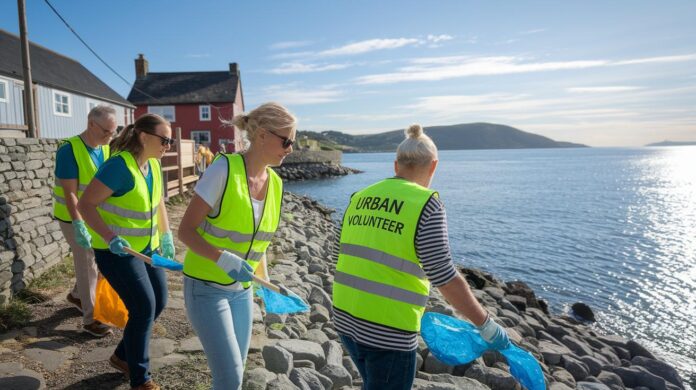
Ever thought your trip could do more than just check off sights? Imagine helping local projects while exploring new cultures. A purposeful journey lets you support community efforts and experience traditions up close. In this guide, we share clear steps to plan a trip that leaves a lasting impact on both you and the local community. Turn your next adventure into one that makes a difference and creates memories that endure.
Purpose-Driven Travel with Social Impact
Travel with purpose means exploring new places while making a real difference. Instead of simply checking off attractions, you mix learning with lending a hand. For instance, you might spend time assisting with local projects and discovering traditional cooking methods. Each step adds meaning to your trip.
There are many ways to travel with impact. You might join projects that help build community spaces or support nature conservation. At the same time, you learn new skills and see life from a fresh angle. This approach shifts your focus from just sightseeing to connecting with local people and their cultures.
Benefits of social impact travel include:
- Supporting local communities
- Gaining practical, hands-on skills
- Enjoying and respecting local traditions
- Making memories that change the way you see the world
When your travel is driven by a mission, every moment feels more valuable. The energy you get from helping while learning makes your journey special and leaves a lasting mark on both you and the places you visit.
Planning Intentional Itineraries for Purposeful Travel

Start your planning with clear goals. A well-thought-out plan makes your trip smooth and meaningful. Instead of rushing between many stops, focus on a few places where you can make real connections.
When you design an itinerary with purpose, you match your dates, budget, and interests with local community projects. This way, you enjoy fewer stops but get richer experiences in each one. Your journey becomes more than just sightseeing, it turns into a quest for social impact and personal growth.
Try this simple five-step guide for a purpose-driven trip:
- Set clear social or learning goals.
- Look up trusted local organizations.
- Build a balanced daily schedule.
- Budget for donations, fees, and local transport.
- Confirm your partnerships and details.
Check out local festivals or community events too. These gatherings show you the real customs of a place while supporting local initiatives. Keep some flexibility in your plans so you can enjoy both scheduled events and unexpected adventures.
Voluntourism and Ethical Volunteer Programs in Purposeful Travel
Wildlife Conservation Projects
In these projects, you work with local teams to restore natural habitats and keep track of endangered animals. You might help monitor animal numbers or clean up nature spots. It’s a hands-on way to protect wildlife and learn about local ecosystems in a real, practical way.
Education and Teaching Assignments
These programs let you share your skills in local communities through teaching or tutoring. You might teach English, help with math and science, or join intercultural workshops. Working in schools or community centers not only boosts local education but also builds memorable cultural bridges.
Healthcare and Public Health Support
Volunteering in healthcare gives you a chance to help clinics with basic care and hygiene tips. You could assist at health fairs, support elder care, or work with medical teams in hard-to-reach areas. This work mixes practical service with cultural exchange, letting you learn about public health firsthand.
Community Infrastructure Builds
Community build projects have you working side-by-side with locals to improve local facilities. You might help construct schools, set up water systems, or build community centers. This work teaches you basic construction skills while creating bonds in the community.
| Program Name | Focus Area | Region | Duration |
|---|---|---|---|
| Wildlife Warriors | Habitat restoration | Machu Picchu | 4 weeks |
| Teach the Future | English and STEM | Central America | 6 weeks |
| Health Heroes | Clinic assistance | Central America | 5 weeks |
| Build Together | Community infrastructure | Machu Picchu area | 3 weeks |
Sustainable and Ethical Tourism Practices for Purposeful Trips

Traveling with purpose feels great when you help the places you visit. Each choice you make can protect nature and boost local jobs. By picking family-run lodgings and eco-friendly spots, you lower your travel footprint while truly connecting with the people there. This simple, thoughtful approach turns your trip into a force for good.
- Stay in locally owned accommodations
- Offset your carbon emissions
- Pack reusable essentials
- Dine at local community eateries
- Shop fair-trade handicrafts
- Follow local wildlife guidelines
- Support environmental NGOs
Keep an eye on your impact with a footprint tracker or travel diary. Many apps let you log your carbon use, note sustainable dining, and record small habits that make a difference. Seeing these details can inspire tiny changes that cut energy use and waste, making your trip even greener and more affordable.
Ethical travel builds trust and deepens ties with local communities. When you choose local experiences and green options, you show respect for both people and nature. These smart choices not only connect you with locals but also help responsible tourism grow, enriching your travel experience overall.
Immersive Cultural Volunteer Experiences and Local Partnerships
Traveling isn’t just about ticking off landmarks, it’s about spending time with locals and sharing everyday experiences. Living and working with community members lets you see real life up close and leaves you with lasting memories.
Here are some practical ways to connect:
• Stay with a host family
• Join a skill-swap workshop (like cooking or crafts)
• Attend community-led festivals and ceremonies
• Enjoy shared meals at local homes
• Set up language-partner meetups
When you visit, try to follow local customs. Simple actions like greeting people the local way or dressing modestly show respect. Ask questions when you’re unsure; locals often appreciate effort to understand their traditions. Even small gestures, like trying a local recipe or joining a community event, can break down cultural barriers and build trust.
After your trip, keep the connection alive. Swap contact details with the people you met and touch base via social media or a postcard. A brief message can remind them of the great time you shared. This kind of ongoing connection turns a short visit into a lasting journey of cultural exchange and personal growth.
Inspiring Stories of Transformative Purpose-Led Travel
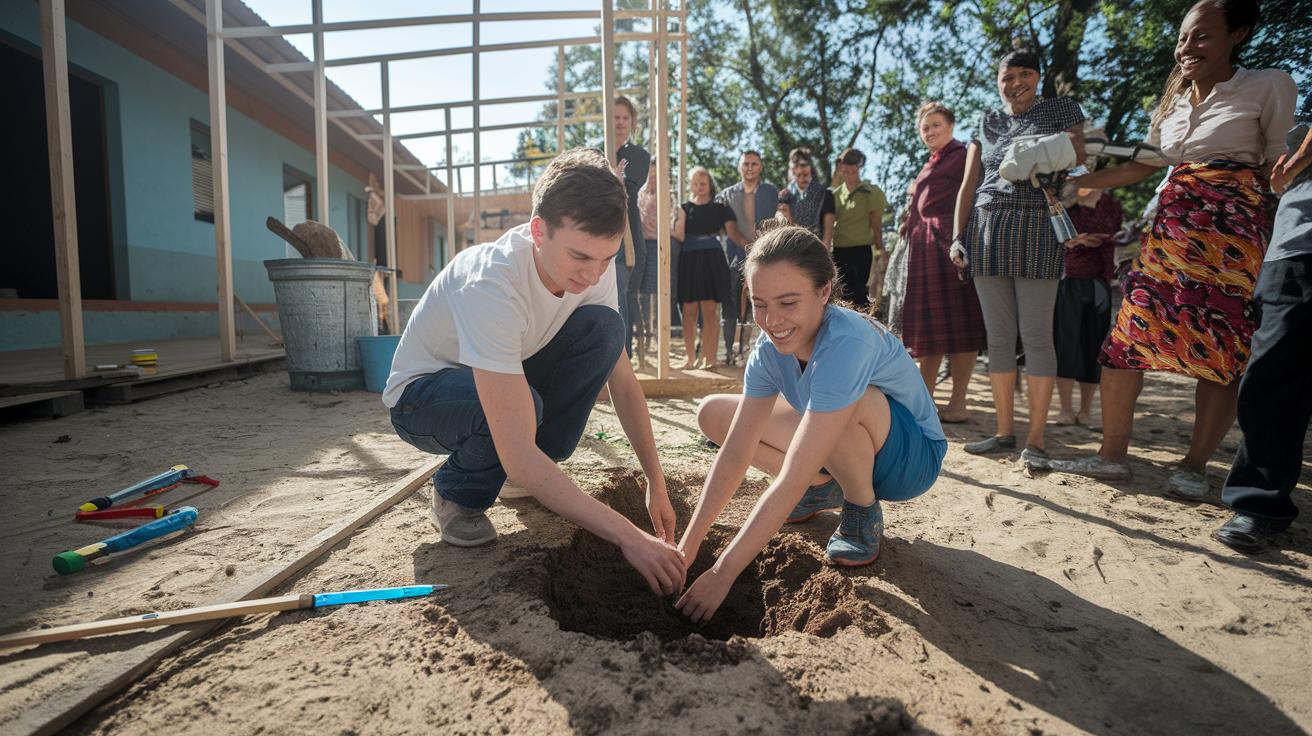
In Central America, a small group of students went on a volunteer trip that changed their lives. They worked with locals to plan and build a modest school using materials from the area. Their effort created a safer space for kids to learn and helped them bond with the community. Along the way, each student learned practical problem-solving skills and discovered local ways of teaching and planning.
In Peru, a team of young travelers spent several weeks cleaning up a public beach. They teamed up with local residents to remove trash and revive the shoreline. Between clean-up sessions, they enjoyed shared meals and storytelling that revealed local customs and simple sustainable practices. This work built mutual respect and left both locals and volunteers with warm memories and a renewed sense of purpose.
Budget-Friendly Strategies for Accessible Purposeful Expeditions
Work-exchange programs and scholarships can help you save money while truly soaking in local culture. These options let you trade skills or work hours for free lodging, so you spend less and connect deeper. Often, host stays ask for 20-25 hours of work per week in exchange for a place to sleep.
Free guides and blogs can point you to work-for-stay and volunteer networks that suit your interests. Here are some wallet-friendly options:
- WWOOF (organic farming host stays)
- Workaway (global community projects)
- HelpX (homestays and hostels)
- Local NGO volunteer programs
- Teaching fellowships that include housing
- Cultural exchange grants
When you plan your trip, cut meal and transport costs by shopping at local markets and using public transit. Local diners often serve filling, affordable food, and many cities offer travel passes at discounted or student rates. Compare prices and try to travel during off-peak times to save even more. This way, you keep expenses low while enjoying a real, immersive travel experience.
Final Words
In the action, this post explored how trips mix social impact with authentic local experiences. You learned how to plan itineraries that balance community projects with personal growth, consider ethical volunteer programs, and choose sustainable travel options.
Using clear steps and checklists can help you set a course for travel with purpose that feels rewarding and impactful. Enjoy planning a trip that not only fits your schedule but also lets you make a positive mark wherever you go.
FAQ
What does travel with purpose mean?
The term “travel with purpose” means you mix exploring new places with involvement in projects such as volunteering, skill learning, or cultural education to make your travel experience more enriching.
What is an example of purposeful travel?
An example of purposeful travel is participating in a community volunteering program that supports local schools or conservation efforts while offering personal growth beyond regular sightseeing.
What is Hilton’s travel with purpose and its specific initiatives?
Hilton’s travel with purpose focuses on sustainable projects that drive social impact, aiming for measurable community benefits by 2030 while introducing targeted initiatives in 2024.
What roles do GIVE volunteers have in travel with purpose?
GIVE volunteers engage in community projects by providing hands-on support to local programs, merging travel enjoyment with opportunities to make a real difference.
What volunteer travel programs exist for adults?
Volunteer travel programs for adults include opportunities in sectors like education, conservation, and healthcare, where you can combine travel with serving and learning from local communities.
What are Hilton sustainability jobs?
Hilton sustainability jobs involve roles that work on reducing environmental impact and supporting community initiatives, aligning with Hilton’s mission to integrate social and environmental responsibility in travel.
What have reviews said about GIVE volunteers?
Reviews of GIVE volunteers praise their impactful work and engaging experiences, noting that participants find fulfillment in contributing to local projects while gaining a deeper cultural insight.
Can traveling be a purpose in itself?
Traveling can be a purpose by transforming your trip into a mission that supports personal growth and community development, allowing you to explore while making meaningful contributions.