

Have you ever wondered if you could pay less for your next flight? Airfare shifts all the time based on seat availability and demand. Even though U.S. prices have crept up lately, there is still hope for budget-savvy travelers. This guide explains how fares change almost every hour and what that means for your plans. By spotting key trends and factors, you can plan ahead and snag the best deals when they pop up.
Air Travel Price Trends: Current Snapshot and Recent Changes
Airlines change flight prices often. They adjust fares, sometimes every hour, based on demand and available seats. This means ticket prices can move quickly. Overall U.S. travel costs have risen by about 2% over the past year. Meanwhile, airfares increased roughly 3.2% from September 2024 to September 2025. Hotel rates dropped slightly by 0.8%, and rental cars still cost more than before the pandemic. Even meals and entertainment got pricier, climbing by 3.7% and 4.0% respectively. Each travel sector shows its own cost trend.
These fare fluctuations come from changes in demand, flight cancellations, and special sales events. When fewer people travel or flights are canceled, prices drop to fill seats. Airlines use smart algorithms to update prices in real time. Because of this, it pays to check flight options and compare prices often.
Later sections will dig deeper into what drives these dynamic pricing models and offer practical tips for keeping flight costs in check.
Historical Flight Prices and Evolving Air Travel Pricing Models

Airlines no longer use one fixed price for every seat. They now adjust fares in real time based on how many seats are left and how many people are booking.
Past trends show that domestic fares usually fall 1 to 3 months before departure. For international flights, prices tend to drop 2 to 6 months ahead. Some routes even offer early-bird deals up to a year in advance. These patterns help you decide when to book so you can catch lower fares.
New tools, like predictive models and machine learning, fine-tune pricing even more. Since the early 2000s, airlines have used old booking data to update fares. Today, machines sift through huge amounts of data on demand and seat availability. This means prices change faster and more precisely.
This modern method not only follows past trends but also offers clearer pricing. It makes it easier for you to plan your trip and stick to your budget.
Key Drivers of Airfare Fluctuations and Price Trends
Airlines change ticket prices based on how many seats are booked and how many are left. When fewer people travel or when flights see cancellations, prices usually drop so the airline can fill more seats. Also, special sales can bring temporary price cuts, giving you a chance to grab cheaper tickets. This means that the fare you see today may change tomorrow; checking often could save you money.
Flight costs also jump during popular travel times like summer, Christmas, and spring break. Big events such as the Olympics or World Cup boost demand and push prices higher. During these busy periods, there are fewer discounts and more travelers, so booking early is a smart idea. If you can be flexible with your dates, you might find better deals when demand is lower.
Extra fees can quickly add up. Many low-cost airlines lure you in with low base fares, but then extra charges for baggage, seat choice, or snacks can bump up the total cost. Knowing all these extra costs means you can better compare prices before you book.
Seasonal and Holiday Airfare Trends
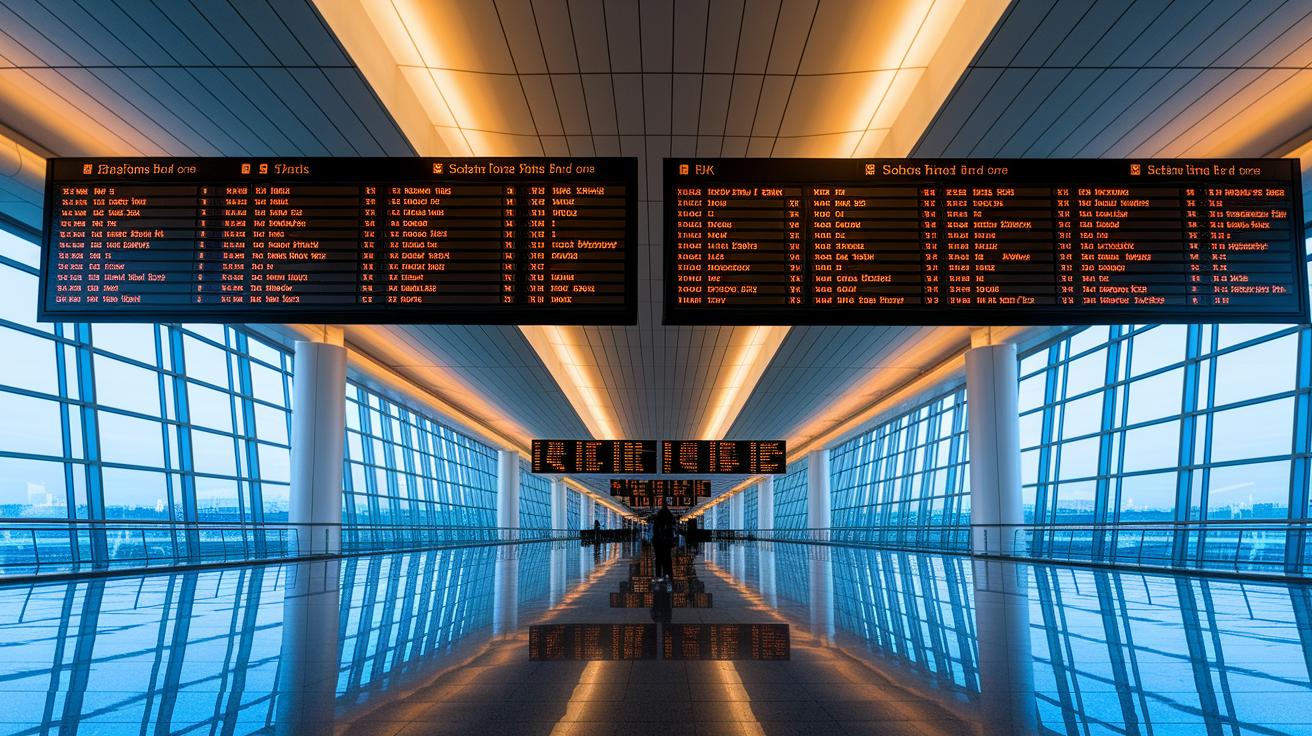
Airfares change with demand and economic shifts. Travel heats up during summer and Christmas because of holidays and school breaks, so fares tend to rise. Still, you might find lower prices on quiet weekdays even when travel is busy. For example, one airline dropped fares in mid-July when bookings didn’t meet expectations.
| Season | Price Impact | Ideal Booking Window |
|---|---|---|
| Summer | High increases | 1–3 months ahead |
| Christmas | Significant spikes | 2–4 months ahead |
| Spring Break | Elevated prices | 2–3 months ahead |
| Shoulder Season | Lowest fares | 1–2 months ahead |
During off-peak times, you can snag great deals. Domestic flights generally drop in price 1–3 months before take-off, while international flights start to lower around 3 months ahead. These pricing moves are driven by factors like fuel costs and local events, and they can sometimes lead to flash deals that help you save even more.
Domestic vs. International Airfare Trends Comparison
Domestic flights often get cheaper 1-3 months before departure during regular travel and 3-5 months ahead during busy times. Airlines raise fares as fewer seats are left, so booking early usually saves you money. Modern pricing tools use real-time data to update trends and offer sharper predictions. Travel booking apps even track local market shifts and alert you when a good rate pops up. For example, you might get a warning about a small dip on a weekday that you would have missed otherwise.
International airfare has a more mixed pattern. Prices generally drop about three months before you fly, but early-bird deals for long-haul routes can show up as early as a year in advance. Recent political events have made fares more unpredictable, with sudden changes on routes in and out of Europe. New digital tools now add market news and global trends into their pricing algorithms, so you can spot deals even in unstable regions. For instance, if regional tensions lead to an unexpected price drop, these alerts help you make a quick decision.
air travel price trends: optimism abounds

Airfare changes by city pair and the number of airlines flying that route. Even two flights following almost the same path can cost differently when there is more competition.
When several airlines, especially low-cost ones, serve a route, they lower prices to attract more passengers. This competitive push means fares drop quickly, so you often find a good deal. If only one airline flies a route or there are few options, ticket prices stay higher.
Look at flights between two big cities. Airlines might cut prices during less busy times to grab more travelers. This makes it easier to score budget-friendly fares if your plans are flexible.
Also, consider being flexible with your airport choice. For example, flying out of Oakland instead of San Francisco can save you money while still getting you close to your destination.
Booking Timing and Flight Price Forecasting Trends
Booking your flight last minute may cost more and add stress to your trip. You can often score a better fare by searching on specific days. For example, try checking prices on Tuesday or Wednesday, midweek searches can sometimes lower the fare compared to weekend queries.
Red-eye flights might be cheaper, but they can be less comfortable when you travel overnight.
- Best domestic booking window: 1–3 months before departure
- Best international booking window: 2–6 months ahead
- Look up flights early in the week (Tuesdays/Wednesdays)
- Be cautious with last-minute deals, compare budget options with full-service carriers
Tools like predictive fare models (check them out at https://travelkeepup.com?p=102) can help you spot when prices might drop. Staying flexible with your travel dates or considering nearby airports can reduce the risk of overspending.
Monitoring Tools for Airfare Volatility and Price Trends
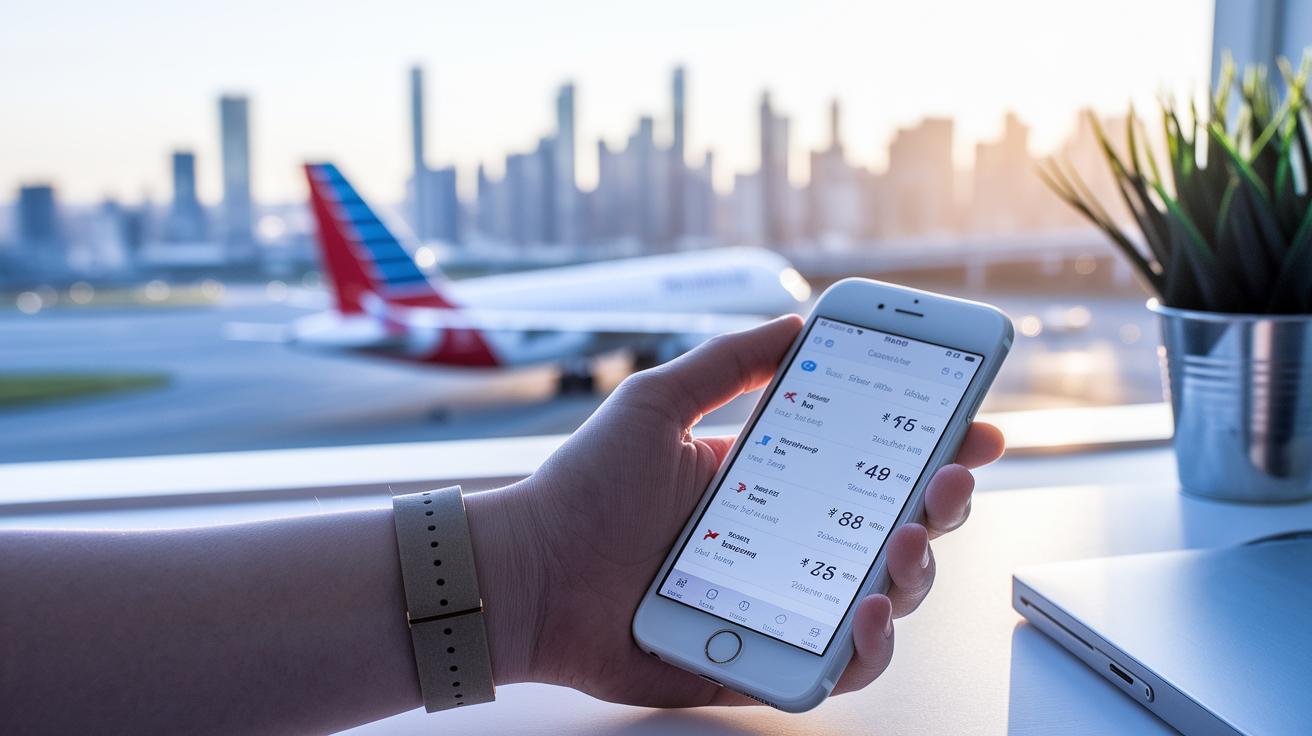
Comparative tools and flight search engines let you check different days and airlines at once. Many travelers say these platforms can cut ticket costs by up to 30%. For example, one app may show lower fares when you compare travel dates side by side. It pulls real-time data from many airlines and shows past trends so you can tell if a lower price is a real deal.
Metasearch sites go a step further by providing real-time monitoring and alerts. They scan several websites to bring you the latest pricing updates. You can set up notifications that alert you as soon as fares drop, like getting a push early in the morning when a deal appears. This quick access helps you act fast and book at a lower rate.
There’s a common myth that repeatedly searching for flights will drop prices. However, there is no clear evidence that refreshing your search influences fares. Airline prices change based on actual bookings and seat availability, not by how often you search. So, instead of reloading pages for a discount, focus on using comparison tools and setting solid alerts for when prices really fall.
Predictive Algorithms and the Future of Air Travel Price Trends
Airlines rely on smart systems that check seat availability and past booking trends. Soon, experts say these systems will also watch social media chatter, local events, and real-time updates. For example, some startups are already tracking tweets and event calendars to spot sudden fare drops.
New AI methods are changing the way these systems work. Instead of using old, basic data, they pull in details like weather changes, local events, and even shifts in how people feel about flying. This deeper look helps travelers see when fares might drop or peak, making it easier to plan your trip and snag a good deal.
Final Words
In the action, we examined dynamic fare shifts and recent percentage changes in air travel price trends. We broke down everything from historical pricing patterns to real-time tools that help you catch the best deals. Small tips on booking timing and route alternatives can save you money. Each section offered clear insights so you can plan your trips with confidence. Enjoy the thrill of smart planning and make your next trip smoother knowing you have the facts in hand. Stay positive, travel smart, and keep exploring!
FAQ
What do international air travel price trends indicate?
International air travel price trends indicate that fares change frequently due to dynamic pricing based on real-time supply and demand across global routes.
How does a flight price predictor or tracker app work?
A flight price predictor or tracker app uses historical data and current trends to forecast fare changes, alerting you when prices drop for both domestic and international flights.
What information does flight price history provide?
Flight price history provides records of past fare changes, letting you compare current prices with previous trends to make a more informed booking decision.
Are airline prices expected to go up or down?
Airline prices tend to rise closer to travel dates and during peak seasons because increased demand usually drives up the fares.
Should I buy airfare now or wait?
Whether you should buy airfare now or wait depends on travel demand and booking windows; using a price tracker app can help you decide the best time to book.
Are airline prices going to go down in 2025?
Airline prices in 2025 will depend on market conditions and seasonal demand, so monitoring predictive tools as your travel date approaches can provide better guidance.
Do flight prices go up as the departure date gets closer?
Flight prices typically go up as the departure date gets closer because airlines adjust fares based on how many seats remain and current demand.
What are CheapAir, KAYAK, Hopper, Travelocity, Newegg, and Beyond?
These names are travel platforms and apps that offer price comparisons, tracking services, and booking options, helping you save money on your air travel.