
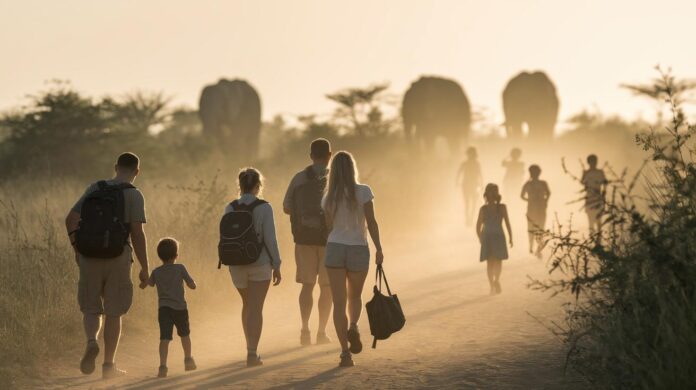
Have you ever wondered if a safari could be both fun and affordable? Picture yourself watching lions and elephants up close without spending too much. You can choose from many options: multi-day tours and day trips in Maasai Mara, self-drive safaris in East Africa, or even a two-day package in Kruger National Park. Each option lets you enjoy amazing wildlife on a budget. In this guide, we compare prices and benefits so you can plan a memorable safari without breaking the bank.
Comprehensive Budget Safari Options for Wallet-Friendly Wildlife Viewing
Bundle your safari adventure with multi-day trips that include lodging, meals, and game drives. In East Africa, you can book a 3-4 day tour for around £3,500 per person. For example, a well-planned five-day tour in Maasai Mara offers several game drives, shared meals, and comfy camping, making it a wallet-friendly wildlife experience.
Day trips are a smart choice too. Many one-day or half-day game drives come with a 2-hour transfer each way from nearby cities. This way, you can sample the safari life without paying for extra nights. Try booking a half-day drive to see a lion or a group of elephants in just a few hours.
If you like the idea of exploring on your own, consider a self-drive safari. A three-month East Africa trip might cost about $5,000 per person if you want to go at your own pace. In South Africa, unique options like the Uber safari offer another low-cost way to enjoy wildlife.
Two-day packages in Kruger are very popular. Websites like GetYourGuide combine the top spots into one affordable deal.
You can save even more by traveling off-peak, sharing costs with fellow travelers, or checking out budget travel insider tips at https://travelkeepup.com?p=216.
Top Budget Safari Destinations Across Africa
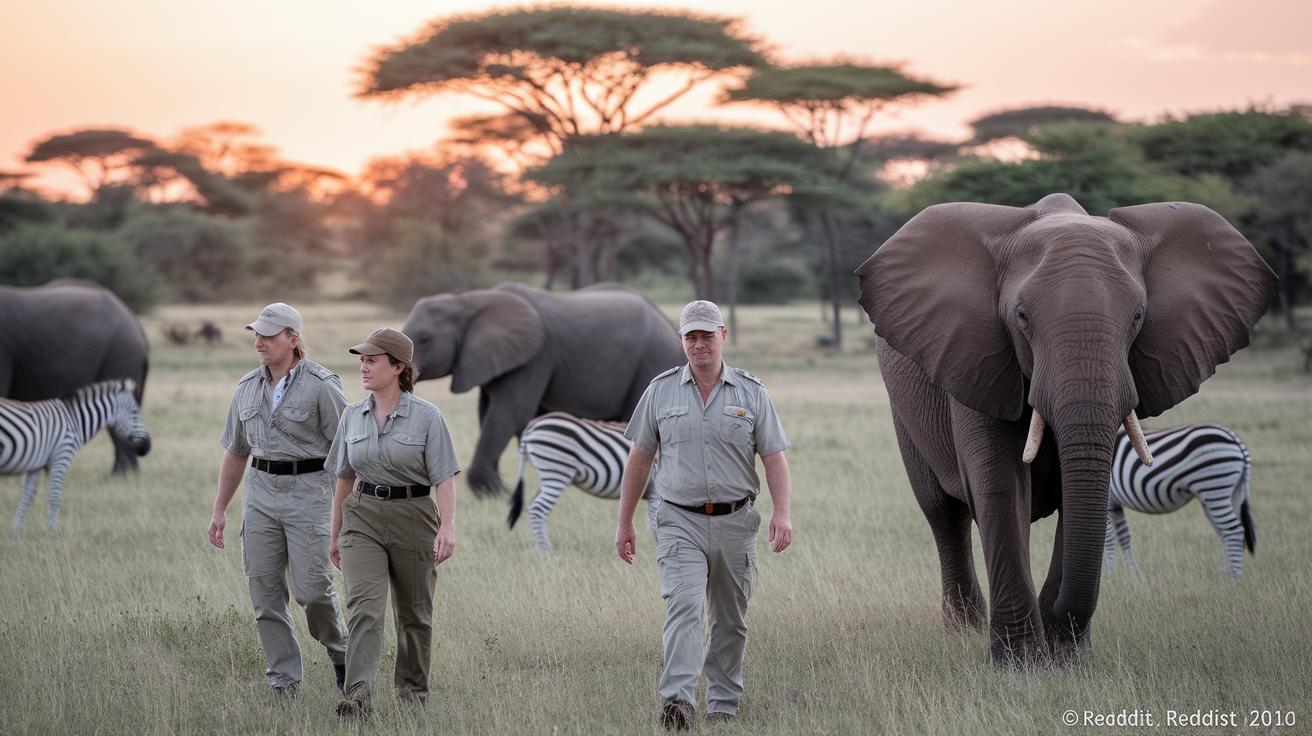
Kenya is a great option if you want to see wildlife without breaking the bank. Group tours in Amboseli and Maasai Mara let you share costs and enjoy guided trips. You'll be near elephants and zebras without the high price of private tours.
Tanzania offers self-drive safaris that let you pick your own route. This flexible plan helps you save money on guides and strict schedules. You can explore well-connected parks at your own pace.
Uganda is one of the most affordable safari spots. With low costs for lodging, food, and park fees, you get a genuine wildlife experience without overspending.
South Africa and Malawi also have wallet-friendly options. Their private-reserve safaris include fun choices like Uber safaris, which bring you close to nature while keeping things budget-friendly.
Key budget safari highlights include:
- Group tours in Kenya
- Self-drive safaris in Tanzania
- Affordable trips in Uganda
- Unique private-reserve safaris in South Africa and Malawi
Mapping Your Budget Safari Itinerary Step by Step
Plan your safari around one or two main parks. This cuts down on park fees and travel costs while still letting you see the wildlife you love.
Here are some simple tips:
- Choose one or two must-visit parks.
- Split costs with travel buddies.
- Camp outside the park. Rates range from $10 to $35 per person each night.
- Cook easy meals to save on food expenses.
- Travel in the off-peak season to enjoy lower rates, even if it brings a few rainy days.
Try using our online itinerary maker (link provided) to plan your days and stick to your budget. For example, a short day trip to a nearby reserve can give you a great wildlife experience without a full-day park fee.
Breaking your trip into small parts helps you enjoy nature and keep costs in check.
Transparent Budget Safari Cost Breakdowns and Price Comparisons
Different tour operators have clear price differences. For example, one charges about £5,460 per person for a multi-day trip with hotel stays, meals, and guided game drives, while another offers a similar package for around £4,750 per person. If you book directly with a local guide, you could pay roughly £3,000 per person. Overall, most budget safaris in Tanzania cost about £3,500 per person.
You can save even more by using smart strategies. Local guides help cut extra fees, and camping outside park boundaries typically costs between $10 and $35 per person each night.
Knowing drink prices can also help you plan your daily budget. A bottle of beer is about $1.50 to $2, while wine starts at around $12.
Key cost factors include:
- Operator packages with varying inclusions.
- Booking directly with local guides to lower fees.
- Camping fees and daily beverage expenses.
- Splitting costs with fellow travelers.
Smart Booking Tricks and Discount Safari Deals
Booking smart really helps when you're planning a safari on a budget. You can save money by arranging your own trip with local guides. They usually charge less, so you enjoy the local experience without paying high fees.
Try comparing reviews and itineraries from different operators. For instance, websites like GetYourGuide offer budget-friendly two-day safaris in South Africa. These packages bundle the essentials, lowering costs while still giving you great wildlife views.
If you're good at haggling, book a private safari when you arrive. This approach may lower the price even more. Just check reviews to be sure the guide meets your expectations.
Also, keep an eye on smart booking sites that highlight hidden deals. Some platforms focus on discount safari offers that you might not find through regular channels. For more tips on booking without breaking the bank, check out this guide on how to travel for cheap.
- Compare operator reviews.
- Look for two-day safari packages.
- Book directly with local guides.
- Haggle for private safari bookings.
Budget Safari Essentials: Insurance, Visas, and Local Guide Selection
When you plan a safari, travel insurance is a no-brainer. Look for a plan that covers health, trip cancellations, and lost belongings. For example, coverage for emergency medical care can really save you if something unexpected happens.
Some countries let you enter without a visa for up to 90 days, depending on your nationality. Make sure you check the current rules before you leave so you don't face any border hassles.
A local guide can make your safari even better without breaking your budget. Try asking friends or checking social media for recommendations. Local guides often charge less than freelance ones and can point out secret spots and safe paths. Reviews from other travelers can help you choose the right guide.
Before finalizing any bookings, compare your options and ensure your insurance and visa fit with your travel plans.
Budget Safari Tips: Frugal Animal Viewing and Cost-Saving Hacks
Many tour operators offer seasonal deals during quieter months. These offers can drop prices by up to 30%. Check local discount apps for current deals on meals, guide fees, or even last-minute bookings. One traveler even cut his group tour fee almost in half with the right app, which turned an expensive day into a cheap adventure.
Unique insider tips:
- Use apps that show flash discounts on safari packages
- Look for seasonal deals from local tour operators during slower times
- Ask local contacts about special offers that aren’t advertised online
- Watch for last-minute offers to lower guide and tour fees
For more money-saving safari tips, check out budget travel hacks.
Final Words
In the action, this post breaks down cost comparisons, booking tricks, and step-by-step planning for a budget safari. We looked at wildlife viewing options across Africa, including day trips, multi-day packages, and self-drive routes. Key tips on insurance, visas, and cost-saving hacks round out the guide. Practical examples and clear numbers keep the plan simple and efficient. Enjoy setting up your next trip that balances great experiences with smart spending.