

Ever feel overwhelmed by travel plans before you even pack your bags?
Breaking your trip into simple, clear steps turns the chaos into calm.
You can set your goals, compare offers, and map out each day ahead of time.
When you plan early, you dodge last-minute rushes and mishaps.
This article shows how starting your planning early makes the process fun and stress-free.
Keep reading for practical tips that turn travel planning into a smooth and enjoyable part of your adventure.
Core Steps to Stress-Free Travel Planning

Planning your trip step by step makes everything clear and easy. First, decide what you want out of your trip. Do you need a break, some adventure, or a taste of local culture? Knowing your goal helps guide every decision you make.
- 1 year to 6 months ahead: Explore ideas and set your travel goals.
- 3 to 4 months ahead: Hunt for flight and hotel deals to lock in the best prices.
- 2 months ahead: Research fun activities, top attractions, and local dining spots.
- 1 month to 2 weeks ahead: Draw up a daily plan that mixes must-see sites with time to relax.
Stick to this timeline to keep stress at bay. When you start early, you have plenty of time to compare options and adjust to any changes like sudden weather shifts or unexpected closures. Each step builds on the last, so you stay organized and ready. With your reservations and plans in place, you can focus on the excitement of your upcoming trip.
Strategic Destination Research for Stress-Free Travel Planning

When you plan your next trip, start by making a list of what matters most to you. Think about the weather, local events, how busy the spot might be, and the overall cost. Write down 3 to 5 destinations that match your needs. For example, you might choose a place known for its mild weather or one that hosts special events that interest you.
Next, do a bit of homework on each option. Check travel forums, review sites, or ask local guides to learn more about each destination. Look into details like how easy it is to get around and the available transport options. Your checklist will help you compare the pros and cons, making it easier to choose a spot that fits your budget and interests.
Lastly, consider traveling during off-peak times. Visiting a region in spring or fall instead of summer can help you save money and avoid large crowds. This simple trick often leads to a more relaxed, stress-free travel experience.
Smart Budgeting Tips in Stress-Free Travel Planning

Before you go, set a clear spending plan. Deciding on your limits ahead of time helps cut stress and keeps your trip on track.
Think about these key areas:
- Transportation (flights, trains, buses, or rental cars)
- Accommodations (hotels, hostels, or vacation rentals)
- Meals (eating out, groceries, and snacks)
- Activities (entry fees, guided tours, and events)
- Souvenirs (gifts or local crafts)
When you know what you can spend, you steer clear of overspending. Many travelers save around 20% by planning ahead. Try using expense trackers or budgeting apps to check your costs in real time. If you see your daily spend creeping up, adjust on the fly, skip a costly meal or opt for a free local attraction. Keeping a record of your expenses makes it easier to spot where you might trim costs for your next adventure. This hands-on planning not only eases travel jitters but also lets you enjoy your vacation knowing you’re in control of your money.
Efficient Itinerary Design in Stress-Free Travel Planning

A clear travel schedule keeps you organized and cuts stress. It shows you the must-see spots, the best places to eat, and plenty of time to relax. When you lay out your day, you can spot any gaps and know when to slow down. For example, plan a museum visit with a relaxing lunch in between. This way, you enjoy both activities without feeling rushed.
Using mapping tools and route planners makes your planning easier. Pre-book tickets for popular spots to skip long lines and save time. Try apps that show transit times between stops, so you know exactly how long each part of your trip will take. Many travelers find that planning ahead cuts waiting times and avoids unexpected delays.
It is wise to leave room for surprises. Add a little extra time between planned activities in case a visit takes longer than expected or you find a new local gem. This extra buffer allows you to follow local tips or simply enjoy a quiet moment in a nearby park. These small changes can keep your day relaxed and let you savor unplanned delights.
Stress-Free Packing Strategies for Travel Planning
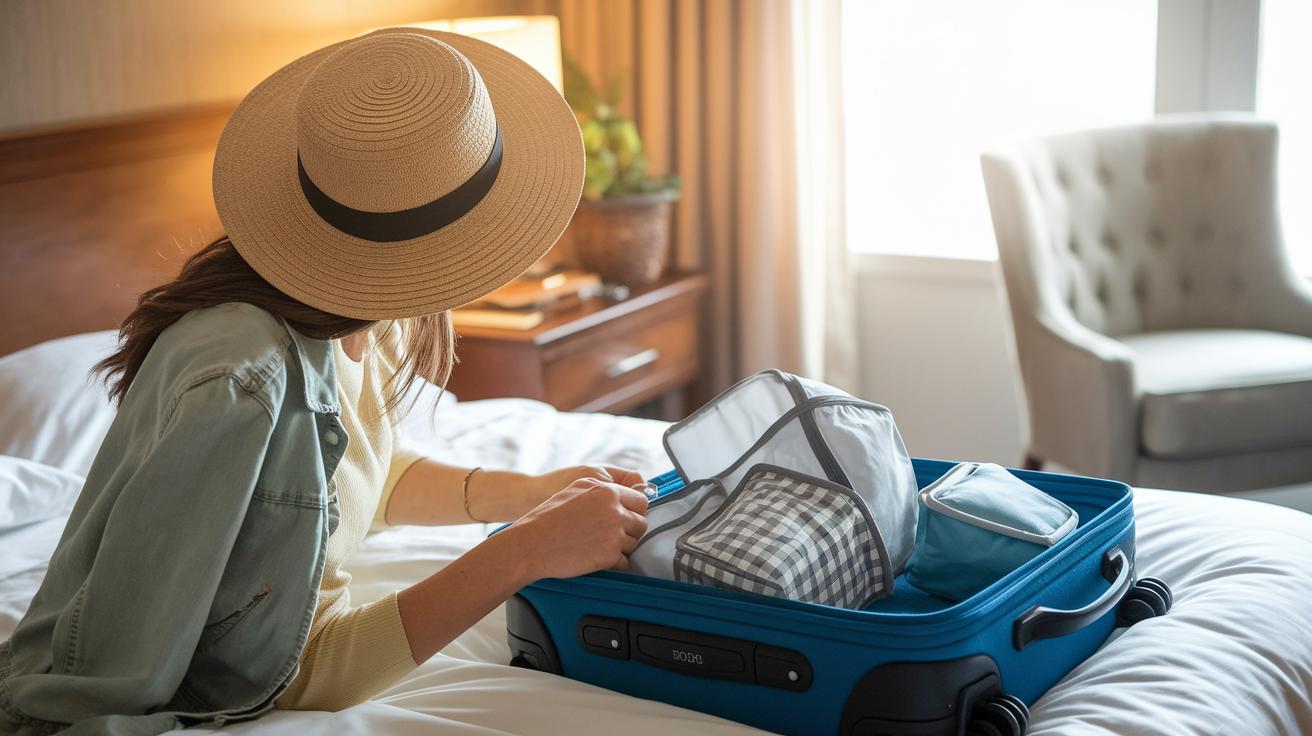
Begin by making a packing list. Think about your destination’s weather and what you plan to do so you know exactly what to bring. Write down essentials like a light jacket for cool evenings or a sunhat for hot days. Tailor your list to include any special items you might need, whether you're planning a beach day or exploring the city.
Layer your clothing to handle sudden temperature changes and to make more room in your suitcase. Try rolling your clothes instead of folding them and choose items that can work in several settings. Packing cubes and similar space-saving tools are a smart choice. You can find more ideas at this link (https://thetravelinginsider.com?p=735). These tips help you mix and match outfits easily and reduce the amount you carry.
Start your packing process about 1-2 weeks before you leave, and aim to have everything ready 1-2 days ahead of your departure. This schedule gives you a chance to adjust your list for any last-minute weather changes or itinerary updates, so you can leave feeling calm and organized.
Streamlined Booking and Accommodation Selection in Stress-Free Travel Planning
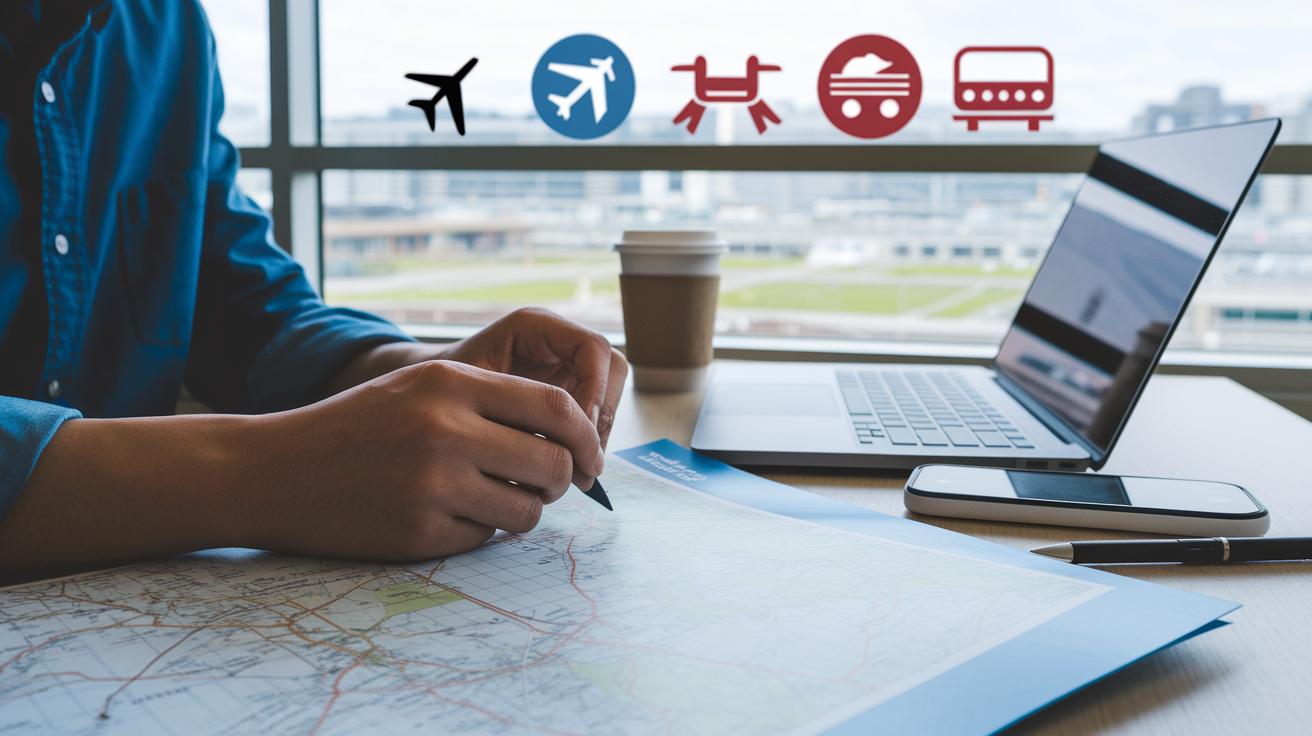
Start your planning early by checking transport options and comparing fares with flexible-date searches. Look into flights, trains, and rentals to catch lower prices. Early research can help you avoid last-minute hikes and gives you time to tweak your itinerary.
Use trusted online booking sites to simplify your search. These sites offer handy filters so you can sort by price, departure times, and seat choices. Some even track when prices change, making it easier to grab the best deal.
When picking lodging, think about what you need. Look for places near the attractions you want to visit and with good reviews. Check for must-have perks like Wi-Fi, breakfast, and parking so they match your budget and travel style. Reading reviews from other travelers can give you a clearer picture.
Once your transport and lodging are booked, confirm all details and set calendar reminders for important dates. Double-check your ticket info and accommodation confirmations to dodge any last-minute surprises. Keeping copies of all your documents will help ensure a smooth start to your trip.
On-the-Go Stress-Free Travel Planning Guidance

Travel often comes with unexpected changes. Instead of getting stressed, be ready to change your plans. When delays or surprises occur, adjust your schedule and explore new options. Accept that not everything will go as expected, it makes handling surprises easier.
Staying connected really helps. Consider an international data plan or a local SIM card so you stay in touch. Use messaging apps to update family and check transit times during long waits. Staying online helps you handle time zone shifts and get live updates, giving you more control.
Smart travelers also carry travel insurance and digital copies of their important documents. If plans change suddenly or you have a medical need, insurance can ease the crunch. Keep digital backups of your passport and key papers on your phone or secure cloud storage. It’s a safety net that can calm your nerves during tough moments.
When delays stretch on, try taking a moment to relax. A few deep breaths or some calming music can help. Sometimes simply looking around and soaking in the scene is all you need to reset. These little breaks make your journey feel a bit easier.
Final Words
In the action, the guide walked you through core steps that cover setting goals, smart budgeting, detailed itineraries, packing right, and smooth bookings. Each section offered quick, useful ways to plan and prepare so you can make the most of your short trip.
Using essential tips for stress-free travel planning, you'll craft a realistic itinerary, keep costs in check, and stay calm on the go. Enjoy your next trip knowing you're well-prepared and ready for any twist along the way.
FAQ
What are the key planning phases for stress-free travel planning?
The key planning phases include setting clear trip goals, booking flights and hotels, planning activities, and building a detailed itinerary. Each step keeps your trip organized and reduces stress.
How does destination research contribute to a stress-free travel experience?
The destination research process involves shortlisting potential stops and evaluating weather, local events, crowd levels, and cost. This helps you settle on a destination that fits your needs and budget.
How can smart budgeting tips reduce travel stress?
The budgeting strategy covers transportation, accommodations, meals, activities, and souvenirs. Setting a clear budget early not only saves money but also takes the guesswork out of managing expenses.
What methods help create an efficient itinerary for a relaxed trip?
The itinerary design involves scheduling must-see attractions, dining, and downtime while pre-booking tickets and using mapping tools. This balanced structure allows room for spontaneity without overwhelming your schedule.
What packing strategies help minimize travel stress?
The packing approach centers on creating a customized list, using layering techniques for changing weather, and starting early. This method lets you pack smartly and efficiently without last-minute hassle.
How does streamlined booking simplify travel arrangements?
The booking process starts with early research on transportation and lodging, using trusted online platforms and reviews. Early confirmation and calendar reminders further help keep all arrangements in check.
What on-the-go tips help reduce stress during your trip?
The on-the-go plan includes staying flexible with delays, preparing for connectivity issues, carrying digital copies of important documents, and practicing relaxation techniques to keep you calm when surprises pop up.