

Ever wonder if a handshake or smile might be misunderstood in a new place? In many countries, even a small gesture holds deep meaning. Knowing local customs can help you avoid awkward moments. This handy guide offers clear, simple tips so you can show respect and blend in while you travel. We share easy dos and don'ts for everyday actions, making it simple for you to feel at home wherever you go. Get ready to adjust your manners and turn every interaction into a friendly, genuine connection.
Mastering Cultural Etiquette Abroad: Your Step-by-Step Action Plan
Before you set off on your adventure, take a moment to learn the local customs. Knowing a few key gestures and greetings will boost your confidence and help you dodge awkward moments. For example, a bow in Japan, a handshake in the U.S., or a cheek kiss in Brazil can all mean different things. A little homework now can lead to more authentic interactions later. For extra tips, check out https://travelkeepup.com?p=353.
Spending some time to learn right from wrong helps your trip run smoother and makes meeting new people more fun. When you learn a region's social rules, you show respect and make genuine connections. Here’s how you can prepare:
- Research local customs: Look up how people greet each other and behave in public.
- Learn a few basic greetings: Find out if a bow or a handshake is expected.
- Watch the locals: See how people move, speak, and interact so you know how to blend in.
- Use kind words: Saying “please” and “thank you” in the local language goes a long way.
- Avoid offensive gestures: Learn which actions, like using your left hand in certain places, might upset people.
- Ask for insider advice: Chat with hosts or tour guides to get the latest on local etiquette.
- Reflect and adjust: Notice what works and change your behavior if needed.
Staying curious and respectful not only enriches your travels but also helps build friendships along the way.
International Greetings in Cultural Etiquette Abroad
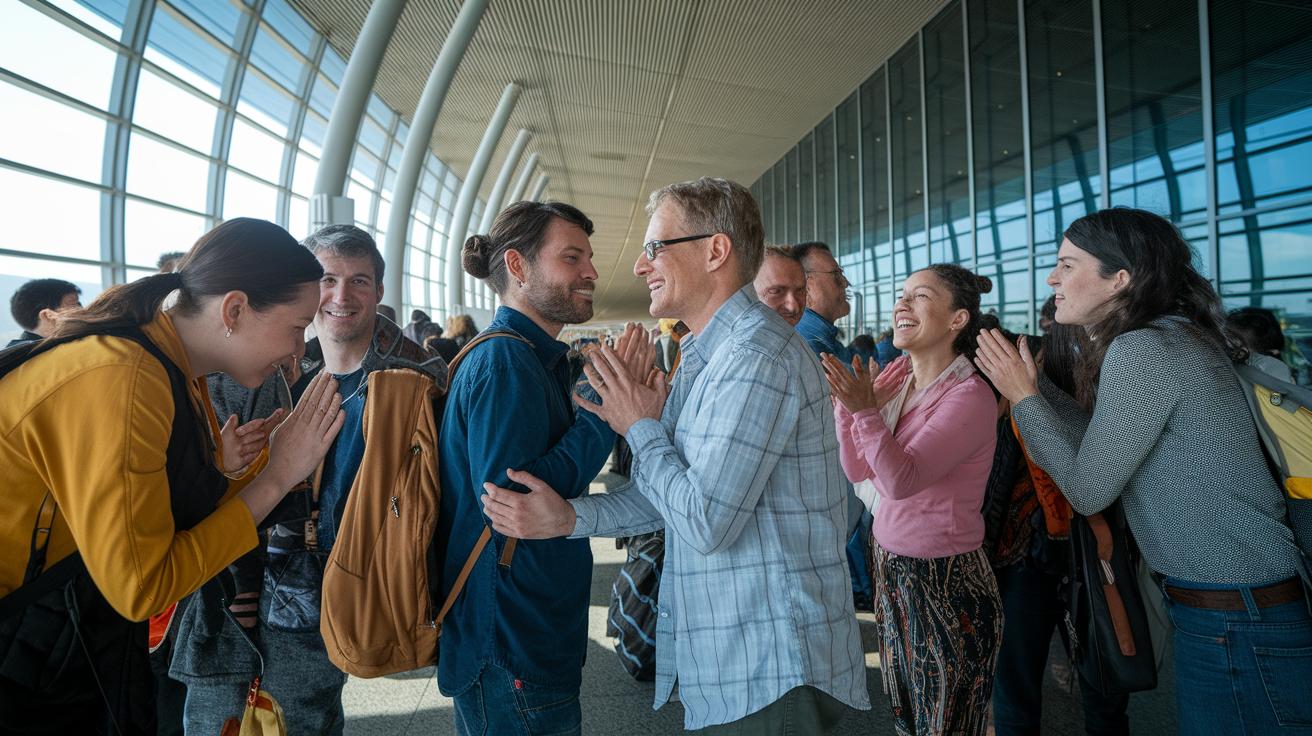
Greetings abroad are more than just saying "hello." They show respect and a nod to local customs. When you greet someone in a new country, you set the stage for a pleasant connection. In Japan, for example, even the angle of your bow can speak volumes about your respect. In the United States, a firm handshake is seen as both polite and confident. In Brazil, you may give one or two cheek kisses, and the right way to do it can depend on the region. In many Middle Eastern places, using only your right hand when greeting someone is a sign of respect and cleanliness. And in India, a simple hand-to-heart or a soft namaste shows warmth and humility. Knowing these customs helps you avoid awkward moments and leaves a positive impression.
| Country | Greeting | Key Etiquette Tip |
|---|---|---|
| Japan | Bow | The depth of your bow shows your level of respect |
| United States | Handshakes | A firm grip shows confidence |
| Brazil | Cheek kiss(es) | The number of kisses varies by region |
| Middle East | Hand greetings | Use only your right hand |
| India | Namaste/Hand-to-heart | Shows genuine warmth and respect |
Dining Etiquette Abroad Essentials for Cultural Etiquette
When you dine abroad, knowing local customs shows respect for the culture. In places like France, keep your wrists on the table. This small act shows you’re part of the meal and mindful of local manners. Watch how locals use their cutlery and choose their seats to learn the best way to behave.
In some countries, a little change in your plate tells a big story. For example, in China, leaving a bit of food behind signals that you’re full and thankful for the meal. This quiet gesture lets your host know you enjoyed the effort they put in without emptying your plate completely.
Different regions also have unique rules for eating. In Thailand, use your fork only to push food onto your spoon. In India, it’s best to avoid eating with your left hand. And in Italy, try not to eat casually near churches or monuments. Following these small tips lets you enjoy your meal and shows respect for local ways.
Dress Codes and Appearance in Cultural Etiquette Abroad

When you travel, dressing modestly can show respect for local customs. In many parts of the Middle East, for instance, covering your shoulders and knees is expected to honor public traditions. In more conservative areas, choosing neutral colors and simple cuts can help you blend in and avoid drawing unwanted attention. No matter where you visit, picking clothes that match local expectations shows you care about their culture.
Also, think about the setting you’re heading into. For ceremonies, religious sites, or business meetings, it’s smart to adjust your look. In Australia, casual outfits work fine for everyday outings, but a formal event might call for a neater appearance. When you visit places like temples, churches, or government buildings, opt for outfits that cover the key areas. A long skirt or pants with a tucked-in shirt can be a great choice to help you feel comfortable and respectful.
Gift-Giving and Tipping Guidelines in Cultural Etiquette Abroad
When you give gifts in another country, pay close attention to local customs so you don’t accidentally offend anyone. For example, in China, always offer gifts with both hands and avoid items like clocks or handkerchiefs since they are linked to funerals. In many Middle Eastern countries, giving alcohol might be seen as improper, so consider alternatives like gourmet dates or local handicrafts. In France and Australia, a good bottle of wine or quality chocolates is usually a hit. Taking the time to choose the right gift shows you respect local traditions and helps build trust.
Tipping rules change a lot around the world. In the United States, it’s common to leave 5–15% of your bill, and service staff appreciate it. But in Japan, tipping is rare and can even be seen as rude, so it’s best to skip it there. Other regions have their own unique practices when it comes to tipping. Before you dine out or use any services, check the local customs to make sure your gratitude comes across in the right way.
Public Behavior and Social Norms in Cultural Etiquette Abroad
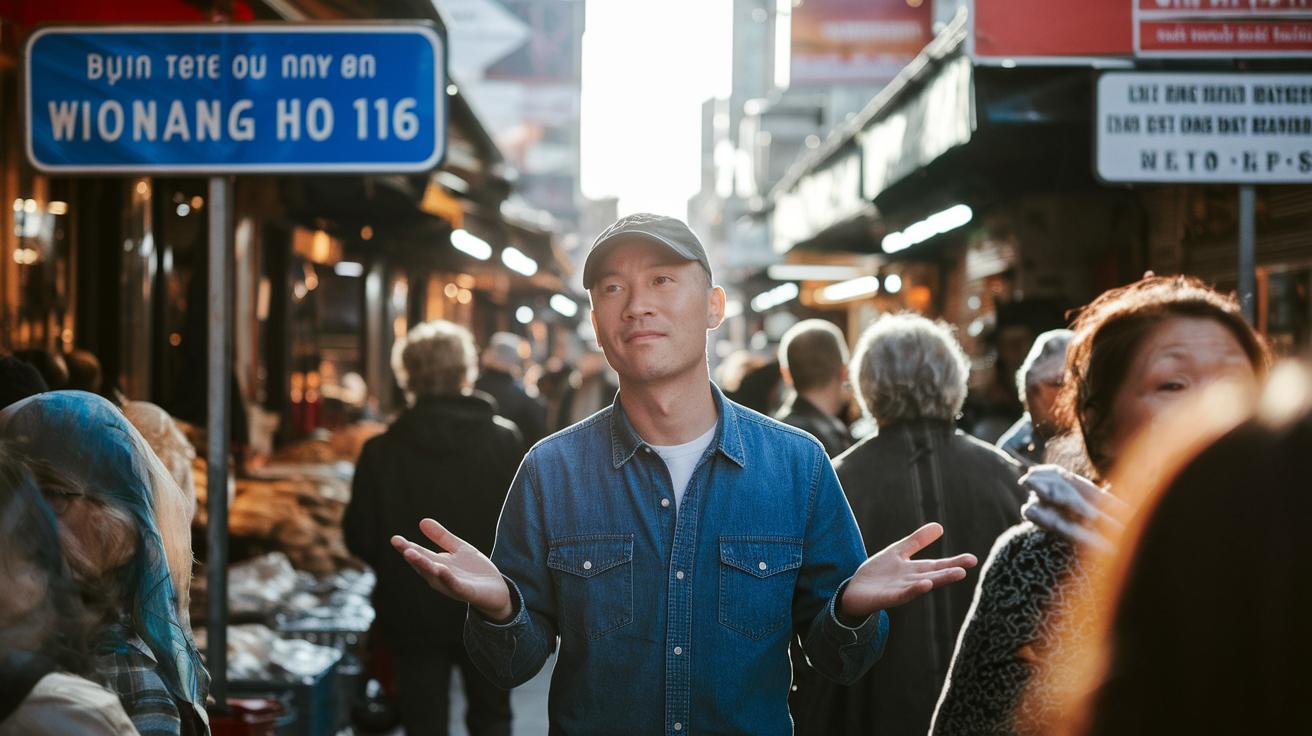
When you interact with locals, little gestures make a big difference. In Thailand, for example, avoid touching someone’s head because it is seen as the most important part of the body. In many Muslim countries, try not to use your left hand when greeting or eating since it is considered unclean. Keep your distance and watch nonverbal cues to show respect. These small steps help you feel confident and show you care about local customs.
In many cultures, standing in line and being on time matter a lot. In Australia, waiting your turn is a common courtesy that shows respect for others. Skipping the line or arriving too early in places that value order can create confusion or seem disruptive. Following local queuing rules makes everyday encounters smoother for everyone.
Different regions also have their own rules for public behavior. In Egypt, keep public displays of affection to a minimum, as too much physical contact can be frowned upon. In Spain, be mindful of the traditional siesta (midday rest) by keeping noise low during those hours. Sticking to these local practices helps you have positive, respectful experiences when you travel.
Handling Faux Pas and Misunderstandings in Cultural Etiquette Abroad
When you make a cultural mistake, admit it right away. Let others know you realize the error and want to make things right. A genuine apology goes a long way. If you’re in Japan, for example, saying "sumimasen" shows you care about local customs.
Be honest about your slip-up and say you’re still learning. It helps to pause and listen carefully if someone explains how they feel. This shows you respect their viewpoint.
After apologizing, adjust your behavior to fit in better. Ask locals for tips on what’s polite in that setting. Their advice can be priceless. Thank them for helping you understand and for their patience. This thoughtful response not only fixes the situation but also shows you’re ready to learn and grow.
Region-Specific Cultural Etiquette Abroad Breakdown
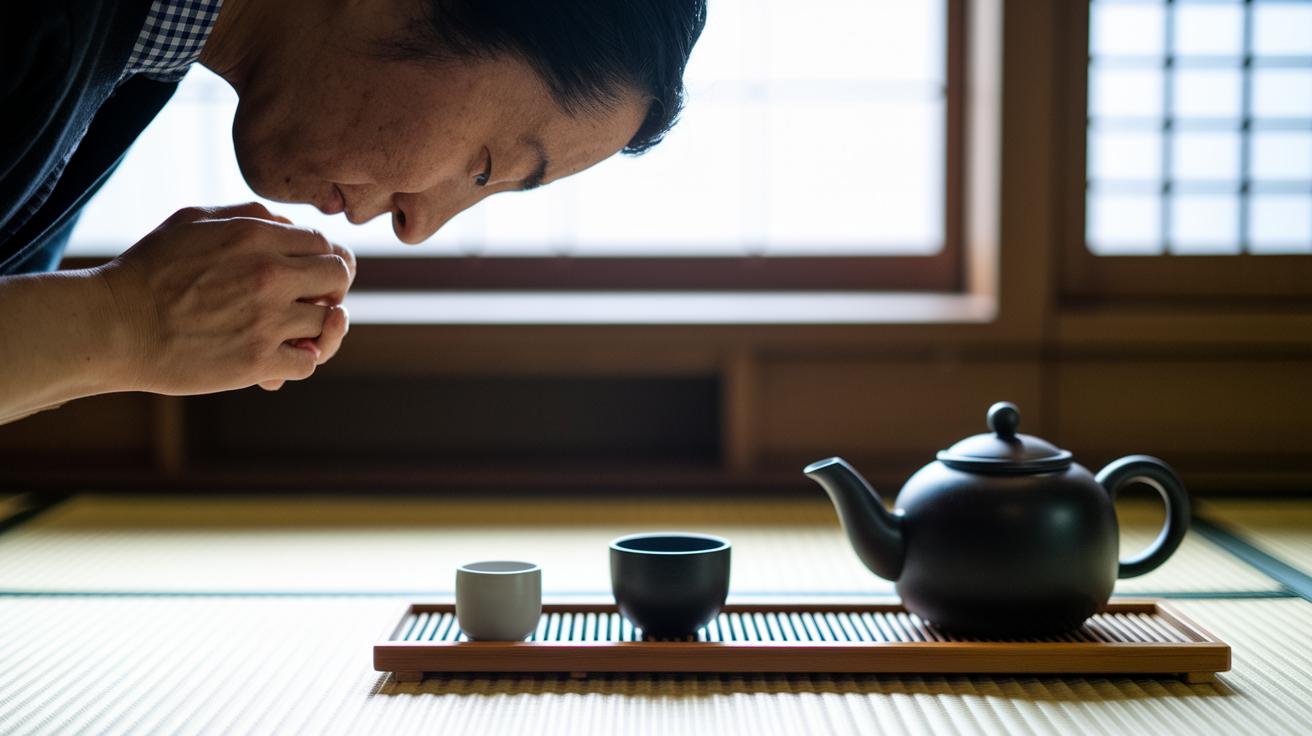
Learning about local customs can really help you connect more respectfully with people when you travel. Here, you’ll get more than the usual greetings, you’ll find interesting details about each region’s unique practices.
Asia-Pacific Etiquette
In Japan, bowing is more than just a greeting. It comes from a long history of honoring others. Even the angle and how long you bow can show different levels of respect. Fun fact: Samurai used very deep bows to show loyalty, a practice that still shapes modern etiquette. Over in parts of China, the tea ceremony is a refined ritual where even the seating order and hand gestures matter.
Middle Eastern Etiquette
Here, using your right hand for greetings and meals comes from old ideas about hygiene and respect. It shows how important sharing a clean meal is. The local coffee rituals, too, are steeped in centuries of hospitality, where warm, respectful interactions celebrate community bonds.
European Etiquette
In France, greeting with a kiss on each cheek comes from long-standing traditions. Depending on where you are, you might exchange one kiss or up to three. In Germany, being on time isn’t just about schedules, it’s a sign of reliability and mutual respect. These customs remind you that small gestures can speak volumes.
Latin American Etiquette
In Latin America, people value close, personal interactions. This warmth is tied to strong family and community ties. Even the way gifts are given, like special wrapping styles or certain gestures, carries deep meaning. These traditions are passed down through generations to keep social bonds strong.
Final Words
In the action, this post mapped out clear steps to respect local customs and avoid cultural mistakes. You saw tips on greetings, dining, dress codes, gift-giving, and public behavior. The advice helps you avoid errors and recover gracefully if slip-ups occur. This article is a practical guide to cultural etiquette abroad, offering clear, actionable steps for real travel situations. Enjoy exploring new places knowing you have a solid plan to fit in and make genuine connections.
FAQ
What is cultural etiquette?
Cultural etiquette is the set of social rules and customs that guide acceptable behavior in a specific country. It covers greetings, dining manners, and dress codes, helping travelers show respect and avoid mistakes.
How does international etiquette vary and what are some examples?
International etiquette varies by region. For example, bowing in Japan, firm handshakes in the U.S., cheek kisses in Brazil, and using the right hand in many Middle Eastern countries all reflect local customs that help you connect respectfully.