

Ever get confused swapping money abroad? Try this tip: order a bit of local cash before you leave to snag a good rate. Then, use your credit card for bigger expenses so you pay lower fees. This guide gives you step-by-step advice on avoiding pricey airport kiosks and using ATMs wisely. With these practical tips, you can control fees, stretch your travel budget, and keep your money safe while you explore.
Essential Strategies in a Practical Guide to Foreign Currency Exchange for Travelers
Mixing cash and card smartly can help you dodge high fees. Credit cards tend to have lower markups and come with fraud protection, making them great for larger buys like hotels or meals. Meanwhile, having a bit of local cash is handy for quick purchases, like bus fares and tips.
Before you travel, consider ordering a small amount of local currency. This usually locks in a rate near the mid-market and helps you avoid the extra 10% fees common at airport kiosks.
Using your credit card for most payments keeps your expenses secure while lowering extra charges. On the flip side, cash lets you handle small, everyday costs without facing poor conversion rates. This mix gives you both convenience and savings right from the start.
- Use a credit card for most purchases to benefit from lower fees; ask for local currency billing.
- Order a little local cash before you leave to steer clear of pricey airport kiosks.
- When you arrive, withdraw cash from ATMs since they often give competitive rates (just watch out for service fees).
- Notify your bank ahead of time to avoid any unexpected holds on your card.
- Keep a cash reserve for small expenses like public transit fares or vendors who don’t take cards.
These strategies work together to trim conversion fees and protect your money during your trip, making your travel budget go further while keeping things simple and secure.
Comparing Pre-Trip and On-Trip Currency Exchange in a Practical Guide

Planning your currency exchange before you leave can save you money. By ordering money from familiar banks like Bank of America, you can lock in competitive rates. For orders over $1,000, you might pay zero delivery fees, though smaller amounts could have extra charges or less favorable rates. Checking rates ahead of time and comparing banks helps you dodge extra costs when you exchange money overseas.
On the road, you have more flexibility. You can use ATMs around the world with major cards such as Visa or Mastercard. These machines usually offer local bank rates, but you might face fees of $3-5 plus a 1-3% surcharge. An online service like Wise is another smart option, offering mid-market rates on more than 40 currencies with fees starting at just 0.41%. While airport exchanges might advertise no fees, they often give you rates that are 5-10% worse than other choices, which can cost you more over time.
| Method | Typical Fees | Advantages |
|---|---|---|
| Pre-trip Bank Order | Low or no fee (large orders) | Locked-in rate, reliable service |
| Online Service (Wise) | Fees as low as 0.41% | Mid-market rate, digital convenience |
| Airport Exchange | 5–10% markup | Convenient but costly |
| ATM Withdrawal | $3–5 plus 1–3% | Widely available, standard local rates |
Your choice depends on what matters most to you. If you want the best rate, plan ahead with a bank order or use an online service. If convenience trumps all, ATM withdrawals abroad might be your best bet.
Understanding Bank Charges and Fee Structures in a Practical Guide
When you exchange money, many services widen the gap between buying and selling rates, often more than the mid-market rate you see online. At most banks, converting money will cost you an extra 1-3% above the published rate. When you shop abroad, choosing to be billed in your home currency can trigger a dynamic currency conversion fee, adding another 3-5% to your bill. This means you could end up paying more than the simple rate shown online. Knowing about these fees helps you spot deals that might not be in your favor. Always check for hidden charges that could sneak into your bill.
Some money services add a fixed fee. For example, exchanging an amount under $500 can cost an extra $10-15, which makes small exchanges more expensive. If you take out cash from an ATM, you might face a network fee of $3-5 plus a 1-3% foreign transaction charge. These extra costs can chip away at your funds if you’re not aware. By comparing fees from different providers, you can choose the option that costs you the least. Being aware of both added percentages and flat fees helps you keep control of your travel budget.
Cash vs. Card: Core Payment Evaluations in Your Practical Currency Exchange Guide
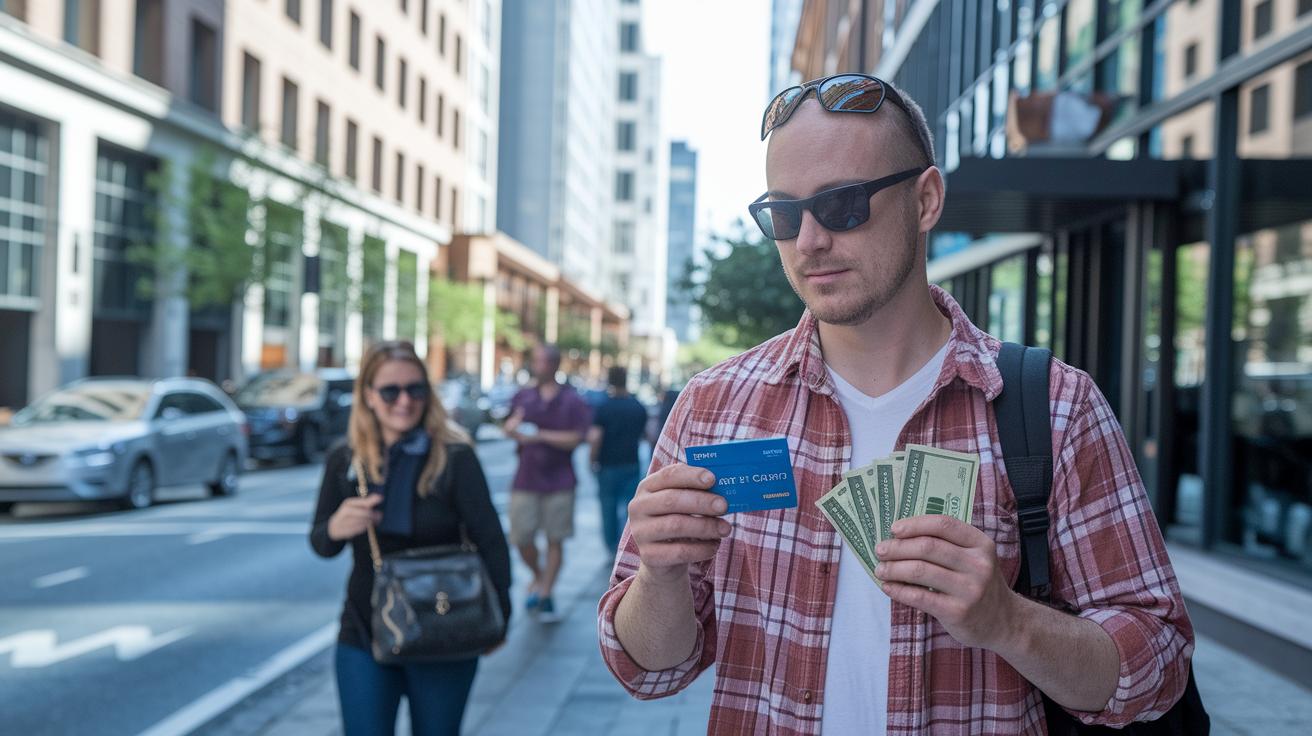
When you travel, a credit card with no foreign fees can be a lifesaver. It keeps your money safe from fraud and works well for bigger bills like hotels or dinners. Plus, using your card means you skip the high fees you might get at currency counters. Remember to ask for local currency when you pay to avoid extra conversion charges.
It’s smart to carry a little cash for daily expenses. About $20-30 in coins or small bills lets you cover taxis, snacks, or tips when cards are not accepted. Also, let your bank know about your trip so your card stays active. This mix of cash and card helps you handle everyday costs without any hiccups.
Prepaid travel cards are another handy option. They let you lock in the exchange rate before you spend, keeping things predictable. While these cards can help manage your budget, watch out for reload fees of 1-3%. They can work really well if you stick to a set spending plan and enjoy the budgeting tools many prepaid cards offer.
Staying Safe: Scams and Security in a Practical Guide to Foreign Currency Exchange
Street vendors might offer tempting rates, but they can trick you with quick hands or hidden fees, leaving you with less cash than you expected. Unlicensed money exchangers may show one rate but give you another. Instead, look for ATMs inside banks. These usually give fair rates and work under close watch, making them a safer bet abroad.
When you exchange money overseas, stick with licensed services. Compare the posted rate with what you actually get. Always count your cash before you leave the counter and hold on to your receipt in case you need to sort out any issues. Use ATMs in well-lit, bank-run areas and steer clear of crowded spots. These simple steps can help you avoid scams and keep your money safe.
Essential Apps and Tools in a Practical Guide for Travel Currency Conversion
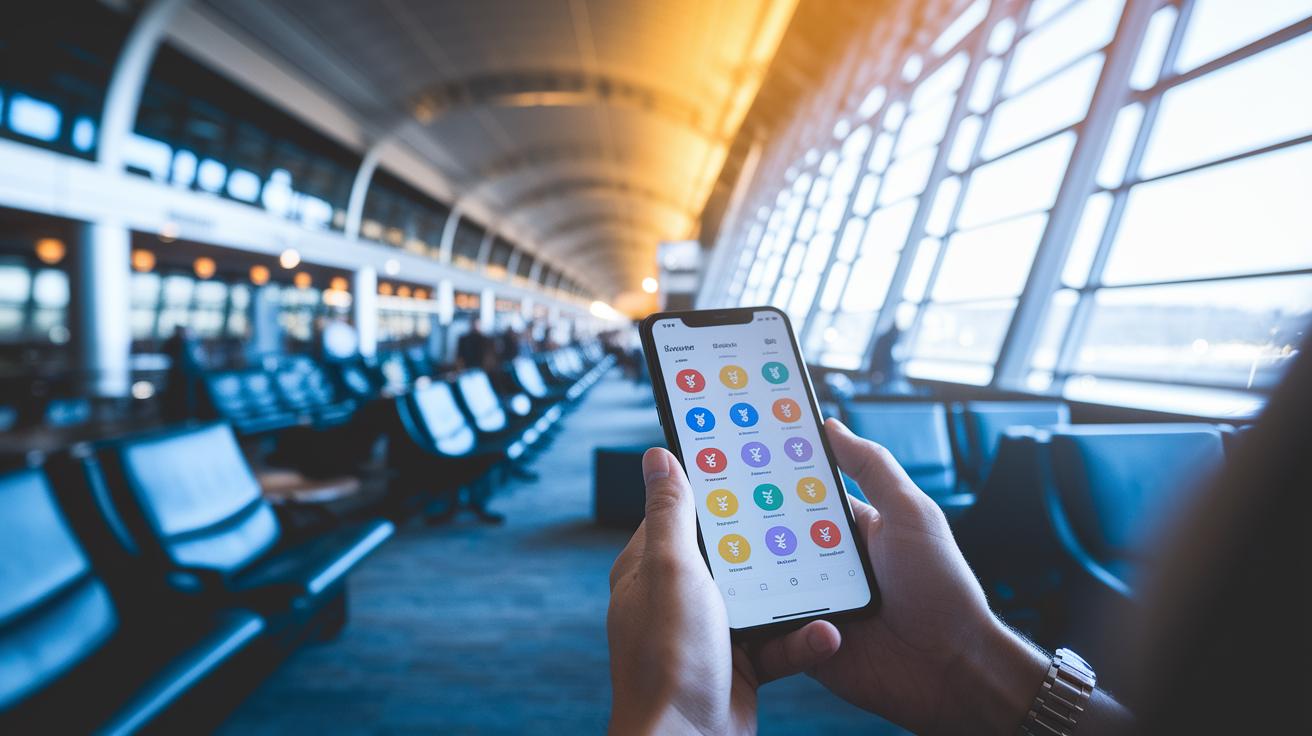
Currency converter apps such as XE and OANDA show you real-time mid-market rates and let you set alerts for rate changes. They work even when you're offline, so you get the info you need, anytime. Fun fact: XE started as a small website and is now a favorite among travelers because of its fast, reliable updates.
Digital wallet services like Wise and Revolut make in-app currency exchanges a breeze. You can hold several currencies and convert money within the app, which means you don't have to visit a bank. It’s like carrying a mini bank in your pocket, fast, secure, and perfect for travel.
Many banking apps now come with traveler-friendly features. Look for tools like fee-free ATM locators and instant notifications for foreign transactions. These help you track your spending and avoid surprises. Plus, using trip planning apps can simplify your travel prep by managing both your finances and itinerary in one spot.
Managing Surplus Currency: Minimizing Conversion Losses in a Practical Guide
After your trip, think about swapping any leftover cash at your local bank or a trusted exchange office. Keep in mind, these places might offer rates 0.5-2% lower than what you originally got abroad. Some even let you roll the funds into a credit for your next journey, so you don't lose value.
Steer clear of last-minute exchanges at airport kiosks. They often charge fees 2-5% above local rates, which can cut into your savings.
Also, hold on to small coins and bills. Use them for little expenses like souvenirs or spend them at banks that accept mixed notes. This simple step saves you the hassle of dealing with tiny amounts later.
Plan ahead to choose smart conversion options. That way, you can dodge common money mistakes and keep as much value as possible.
Country-Specific Currency Tips in a Practical Guide for Foreign Exchange Travelers
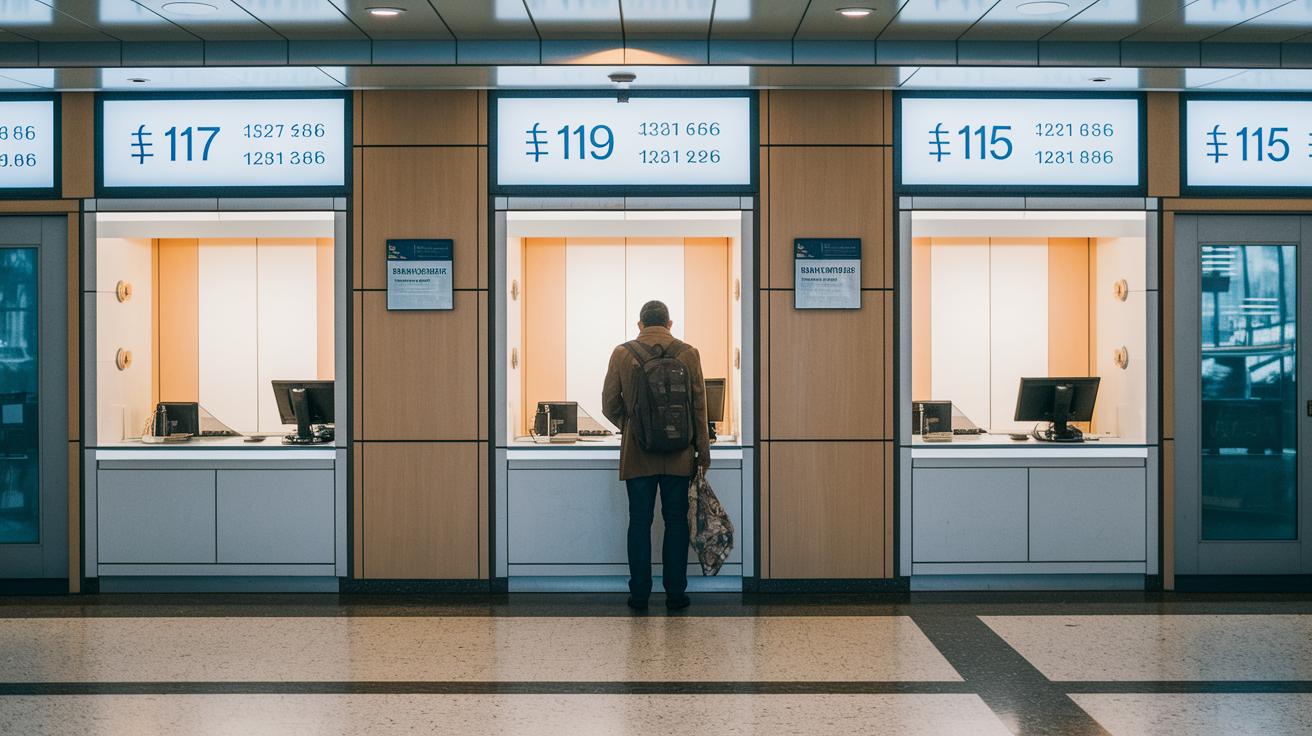
In Canada, banks like TD and RBC let you exchange money over the counter for free at the posted rates. This way, you get clear and competitive prices with no hidden fees. Local ATMs are a smart choice too, as they usually offer cash at prices that match bank rates.
In Mexico, you’ll often find ATMs from Banco Azteca and Citibanamex. They normally charge 2-3% plus a $2 network fee. To save on costs, plan ahead and withdraw larger amounts less frequently. Checking the fees before you withdraw can also help keep extra charges at bay.
In the Eurozone, credit cards work for most purchases. Still, carry some cash for small kiosks or street vendors who might not take cards. This mix ensures you have options when electronic payments aren’t available.
In Japan, 7-Eleven ATMs give you yen at nearly the same rates as banks and with very low fees. These machines are convenient when you need cash fast, making them a reliable choice for everyday spending.
Final Words
In the action, we shared tips on mixing cash and card to limit extra fees and boost security. We covered ordering a bit of local cash ahead of time, using trusted ATMs, and relying on reliable travel apps to check rates.
Remember these key points:
- Order a small amount of local currency pre-trip.
- Use credit cards with no foreign fees.
- Choose ATMs located in banks.
- Avoid airport kiosks and dynamic conversion charges.
- Use apps to monitor real-time rates.
These tactics form a practical guide to foreign currency exchange for travelers, setting you up for smooth travels.
FAQ
Q: Should I exchange money before I travel to Europe?
A: Exchanging money before your European trip ensures you have local cash for transport or small purchases, avoiding steep airport fees when you first arrive.
Q: Is it better to exchange currency at home or abroad?
A: Exchanging at home can offer lower fees than airport kiosks. Look for local banks with competitive rates, then bring just enough cash to cover initial expenses.
Q: Should I get foreign currency before I travel?
A: Getting some local currency before departure covers immediate costs like transit and small meals, while reserving card use for larger purchases can help reduce fees.
Q: Where can I buy Euros for travel or buy them without a fee?
A: You can buy Euros at local banks or use online services like Wise, which offer near mid-market rates with minimal or no fees, making your conversion cost-effective.
Q: Where can I exchange dollars for Euros near me?
A: Look for major local banks or currency exchange services that let you order online for pickup. Compare rates and fees to find the best option for dollars to Euros.
Q: When is the best time to exchange currency on Revolut?
A: The best time on Revolut is when the mid-market exchange rate is favorable. Monitor real-time rates and convert when they match your budget goals.
Q: What exchange rate offers the best value for Euros to dollars?
A: The best rate is often found through online platforms or ATMs that use local bank rates. Avoid airport exchanges to keep additional markups to a minimum.
Q: What is the best way to get foreign currency when traveling?
A: The best approach is a mix: get a small amount of local cash before you leave and use fee-free cards abroad. This balances simplicity with low-cost conversions.
Q: How do I avoid a 3% foreign transaction fee?
A: Avoid these fees by using credit or debit cards that waive foreign transaction fees. Also, choose to pay in local currency when using cards abroad.
Q: Is it better to take cash or use a card abroad?
A: Taking a modest cash reserve for small vendors is smart, but for larger spending, use a card to minimize fees while benefiting from secure transactions.