

Have you ever felt lost with a city's transit options? You might be surprised to learn that getting around can be simple with just a few tips. Local transport helps you skip parking headaches and save money. This guide breaks down buses, metros, trams, and trains in clear, step-by-step instructions. Think of it as a friendly map for smooth, stress-free travel. Read on to see how a few smart moves can make your trip a breeze.
Local Transportation Essentials for Travelers
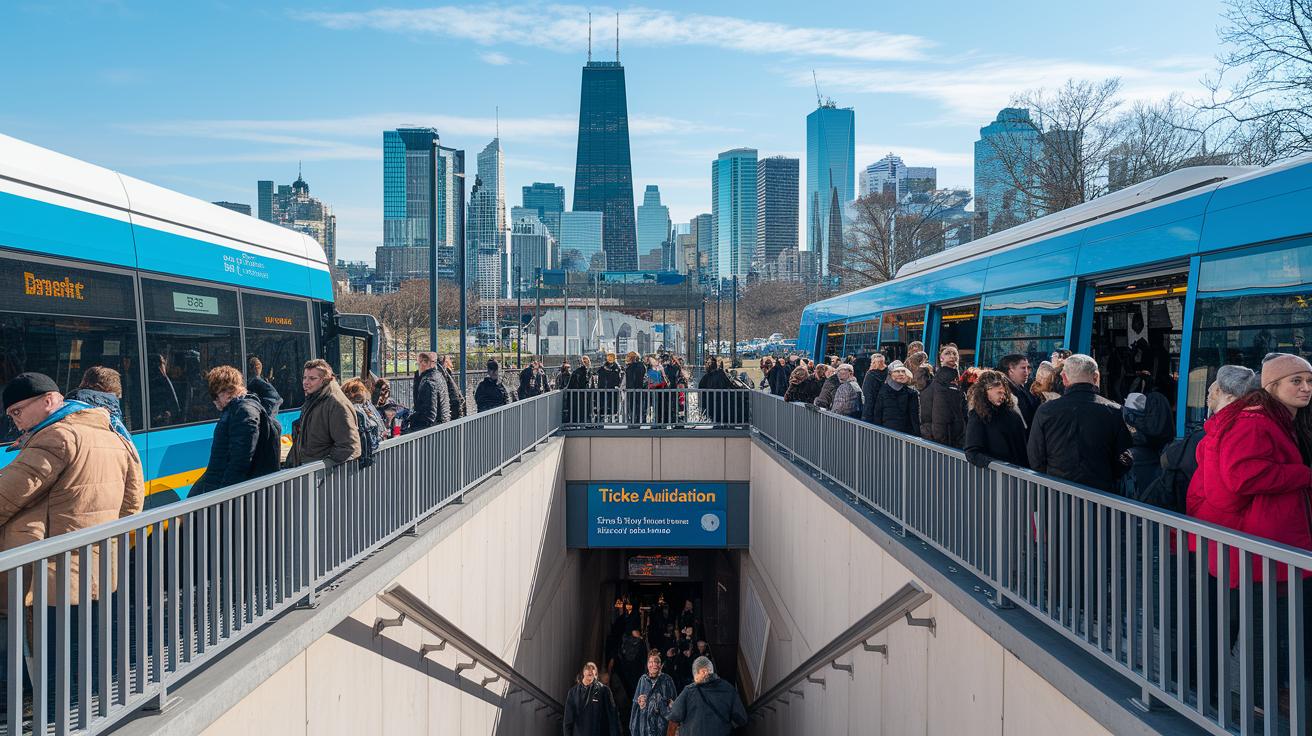
Public transportation is a smart way to save both money and time in many US and European cities. It lets you skip the hunt for parking and dodge traffic jams. Plus, using transit can be efficient while keeping costs low. Just remember to validate your ticket to avoid fines, and follow the clear instructions on transit cards or mobile tap-and-go apps.
Buses, metros, trams, and trains serve as the backbone of city travel. Buses stick to fixed routes. Metros run often, with trips that usually take 15-25 minutes between stops. Trams cover shorter distances in city centers, and regional trains are great for longer trips outside the core area. In many Spanish cities, transit handles about 80% of all local trips. So, whether you choose a bus or a train, knowing the ticket rules in advance will save you time and hassle.
For a smoother ride, try to travel during quieter times. Aim to catch your ride about 90 minutes before or after peak hours, steer clear of busy times around 7:00 a.m. and 9:30 a.m. Use transit apps or check official websites for schedules, and listen for announcements onboard to know when to get off. This way, you can manage your travel time better and enjoy a stress-free trip.
Using Transit Apps and Digital Tools in Your Local Transit Guide

City transit apps help you travel more smoothly with detailed maps, ticket buying in the app, and live updates on service changes. These apps give you easy, step-by-step directions, so you don’t miss your stop. One traveler once mixed up Edinburgh and York until someone pointed her in the right direction. Google Maps is also useful because it shows real-time bus and train schedules. These tools make planning easier and help you deal with sudden schedule changes.
Smartphone transit apps update you on delays and show live vehicle locations. This means you can see different route choices and change your plans quickly. For example, one traveler was able to reroute her trip after getting a quick alert about a delay. For more tips on using these digital aids, check out our world travel guide at https://travelkeepup.com?p=147.
To get the most out of your transit app, set up real-time alerts. Choose notifications for delays, detours, and schedule updates so you always know when your bus or train is coming. This simple step lets you adjust your journey with ease.
Step-by-Step Fare Purchase and Validation for Local Transportation
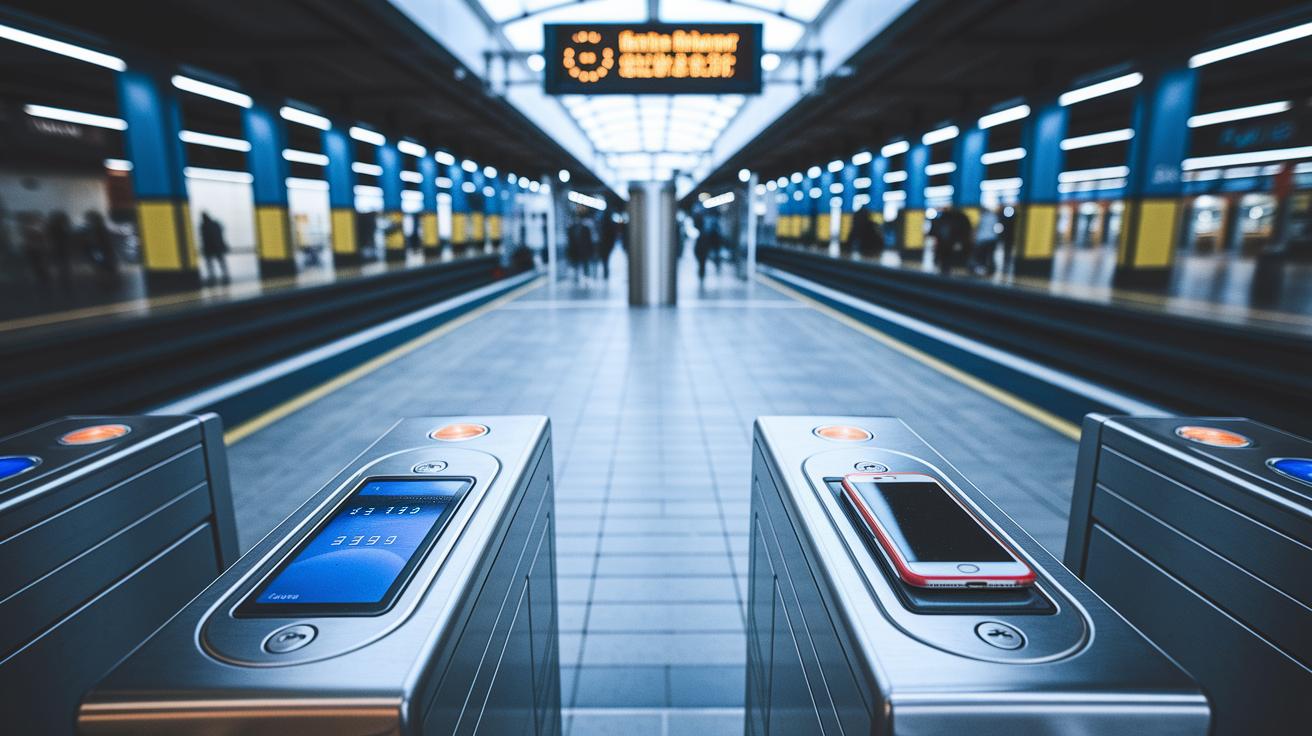
Contactless cards and mobile wallets make paying for rides quick and easy. Many cities offer digital passes that last 24, 48, or 72 hours. You can add these passes to a transit card or app after buying them on the official website.
Follow these steps for a hassle-free commute:
- Buy your fare online or at a ticket machine.
- Add the fare to your contactless card or mobile wallet.
- Tap your card or phone on the entry reader when you get on.
- Tap again at the exit reader when you leave.
- If you have a paper ticket, find the stamp machine to validate it and avoid fines.
Digital passes are not only reliable and fast but also tend to save you money compared to buying a new ticket every time you travel.
Transit Mode Breakdown: Bus, Metro, Train, Taxi, Rideshare for Travelers
Bus
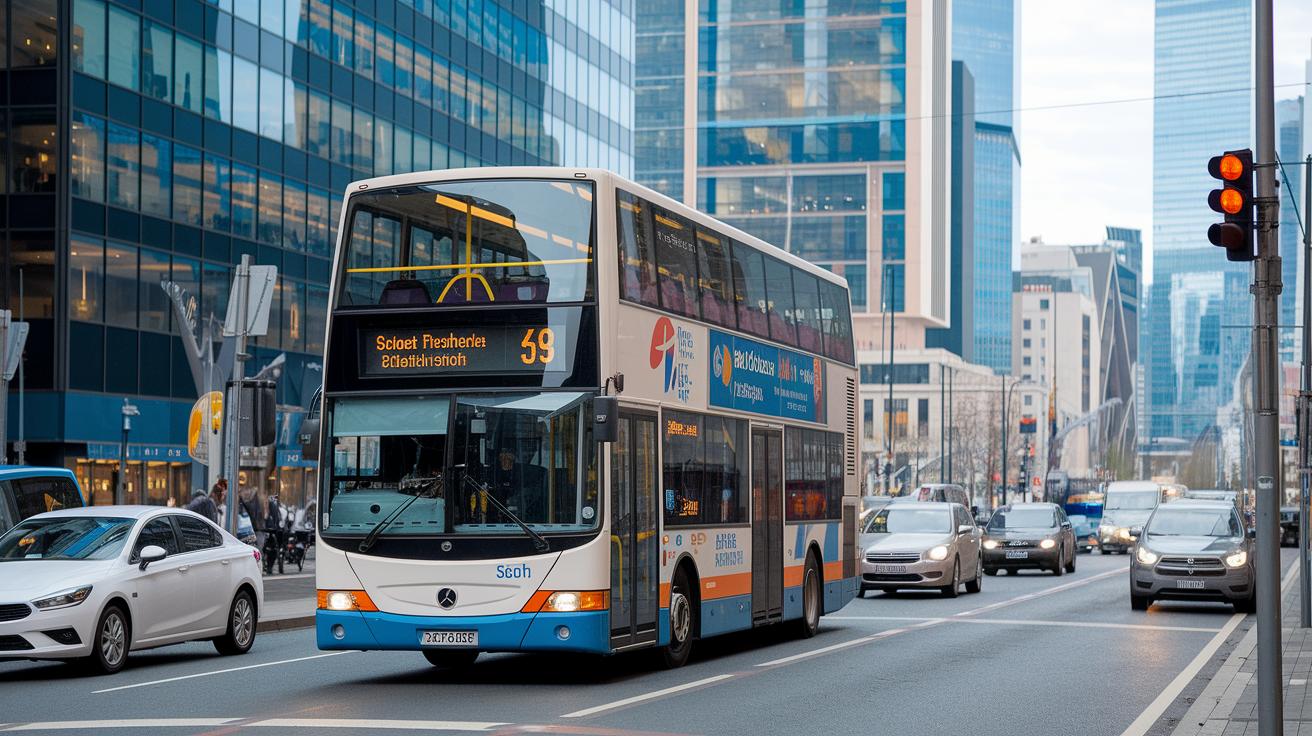
Buses stick to set routes and work well for short trips in the city. They offer a budget-friendly way to travel but can slow down when there’s heavy traffic. It might surprise you that in some cities over 80% of local trips are made by bus. Just keep in mind that during rush hours, the ride might take longer.
Metro
Metros run on a tight schedule, about every 2-5 minutes when it’s busy. They help you avoid street traffic and usually have stations right in the center of town. This makes it easy if your hotel or a key attraction is nearby. With regular service, you won’t have to wait long to get moving.
Train
Trains are a smart choice for trips that go beyond the city center. They often provide reserved seating, which makes your ride more comfortable over longer distances. Trains offer moderate fares and are ideal if you’re looking to enjoy a scenic trip away from the city’s hustle.
Taxi
Taxis get you from door to door with a base fare plus a per-mile charge. They’re a handy option if public transit doesn’t fit your schedule or if you are carrying extra luggage. Although very convenient, taxi rides can add up, so consider other modes if you’re on a budget.
Rideshare
Rideshare services are a modern take on traditional cabs. Apps show clear pricing and driver ratings, making it easy to choose your ride. They work best for short to medium trips and can nicely connect with other transit options for a smooth travel day. For help mixing different modes, check out ai travel planning.
| Mode | Average Cost | Optimal Distance |
|---|---|---|
| Bus | Low | Short urban runs |
| Metro | Moderate | Mid-range across city |
| Train | Moderate | Long-distance, suburban |
| Taxi | High | Short direct trips |
| Rideshare | Moderate | Short to medium range |
Safety and Accessibility Advice for Local Transportation

When you ride on busy vehicles, keep an eye out for pickpockets. Use a secure money pouch and only bring what you need. A small bag worn in front works best, and checking your pockets regularly is a smart habit.
For trips at night, choose stops that are well lit. Share your live location with a trusted friend or family member. If you're out after dark, consider using a licensed taxi or private ride, and avoid isolated stops by sticking to known safe routes.
Many transit systems now offer accessible features like low-floor buses, ramps, and priority seating. Look for clear signs at stations to find these options quickly. Follow trusted safety tips for traveling to help you pick the most accessible stops and vehicles so you can feel safe and confident when you move around.
Custom Route Planning and Real-Time Alternative Paths for Travelers

Google Maps now lets you plan routes with several stops. Using its timeline feature, you can build flexible itineraries that fit your day. This tool helps you compare different paths and adjust your plan on the fly. By syncing your schedule with transit times, you can be sure your plan matches real-world conditions. If you hit a detour or unexpected delay, you can quickly switch to another route or travel option without stress.
Live traffic updates also play a key role in staying on track. By checking current conditions, you can spot when busy spots, like popular beach roads, get congested. That way, you can choose an alternate path that keeps your plans on time. These digital tools let you see service alerts and switch transit modes if needed. This smart planning makes it easier to cover gaps from delays or sudden changes.
For smooth in-trip rerouting, try these steps:
- Set transit app alerts for quick updates.
- Check live traffic feeds to spot congestion early.
- Sync your calendar with transit times to hold your pace.
- Keep backup options like shuttle or bus rides ready.
Final Words
In the action, this guide shows you how to keep transit stress-free. We covered bus, metro, train, taxi, and rideshare options so you can choose the best fit. You learned practical tips on fare purchase, ticket validation, and real-time planning with apps. Small steps like these add up to cost savings and safe trips. This practical guide to local transportation for travelers empowers you to move confidently. Enjoy smoother days on your next trip and make the most of every ride.
FAQ
What types of public transportation are available in the USA?
The question about public transport in the USA means you can expect services like buses, subways, light rails, and commuter trains. Many systems feature fixed routes and frequent schedules, making them essential for daily travel.
How does a US public transport app work for travelers?
The inquiry about a US public transport app means you use smartphone apps that show live schedules, route maps, and in-app ticket purchases. These tools help you plan efficient trips with real-time updates.
What is the most popular mode of transportation in the United States?
The question regarding the most popular mode of transportation in the USA reveals that buses are widely used. They cover extensive routes and serve many commuters, making them a common and practical choice.
How do I use public transportation effectively?
The query on how to use public transportation effectively means you should review route maps, buy or load tickets before boarding, and validate fares upon entry. This preparation simplifies your travel and avoids fines.
How can I beat public transport anxiety?
The query about beating public transport anxiety shows that planning ahead by checking schedules, reading route details, and setting backup travel options can boost your confidence and ease travel stress.
Does Kansas City offer free public transportation?
The question on Kansas City’s public transportation suggests that certain local services sometimes include free rides or reduced fares. Check local transit webpages for up-to-date offers before you travel.
Do I just tap my card on the bus?
The query about tapping your card on the bus means you typically use a contactless method like a transit card or mobile wallet to tap at entry and exit readers. This process validates your fare and speeds up boarding.
What are the four types of transportation?
The question about the four types of transportation usually refers to road, rail, air, and water travel. Each mode offers different benefits for distance, cost, and overall convenience based on your trip needs.
What do operators like Greyhound, Amtrak, FlixBus, Megabus, NJ Transit Rail, and OurBus offer travelers?
The question regarding these operators means they provide various intercity and commuter services. They offer options ranging from long-distance travel to local commutes, with diverse pricing and scheduling to suit different budgets.