

Ever wonder if you're ready for a sudden illness on the road? A quick check-up before you leave can change a small hiccup into a smooth trip. This guide shows you how to prep your health for travel. You'll get tips on updating your shots, scheduling a check-up, and packing a simple emergency kit. Follow these steps to lower your risks and keep your journey safe. A little planning now can help you stay well and enjoy exploring new places.
Core Steps for Travel Medical Preparedness
Before you head abroad, make sure you're ready for any health needs. Start with a thorough pre-trip check-up. Book your appointment early so you have time to handle any concerns before you travel. This check-up shows your current health and lets you know if you need extra shots or precautions. Use trip planning tools like https://travelkeepup.com?p=221 to keep track of your checklist and appointment dates.
Check your personal health risks when planning your trip. Talk to your doctor 4-6 weeks before you leave. Review your medical history, medications, and any conditions that might flare up during travel. Your doctor can suggest the right vaccinations and even write you a prescription letter, which can help at customs or airport checks. A quick tip: ask, "What can I do now to avoid problems later?" This heads-off last-minute hassles.
Next, look up health warnings for your destination and sign up for travel alerts. Check government advisories and safety tips from sites like https://thetravelinginsider.com?p=836 while you make your personal health plan. Write down emergency contacts, set times for your medication, and note the locations of nearby clinics or hospitals. Doing this helps you face unexpected events and understand the local healthcare scene before you leave.
Building Your Emergency Kit for Travel Medical Preparedness
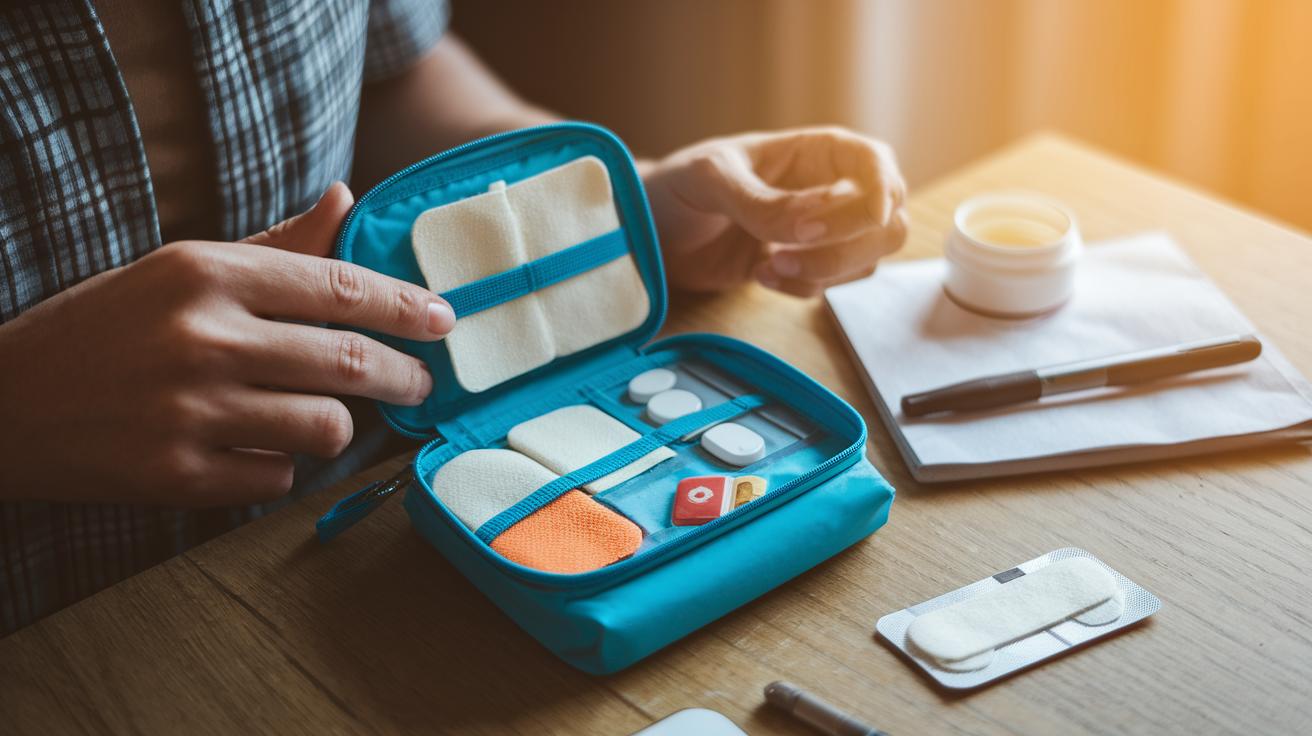
A small, well-stocked kit can be a real lifesaver when you travel. It lets you handle cuts, scrapes, and sudden illnesses without any fuss. Keep it in your carry-on so it's always close by.
Choose a few lightweight items that pack a punch. Look for supplies that are durable and can handle a bit of travel. Pick items with long shelf lives and store them in a small, waterproof pouch. It’s a good idea to slip in copies of your travel medical and evacuation insurance, both printed and digital, for extra peace of mind.
- adhesive bandages
- sterile gauze
- antibiotic ointment
- pain relievers
- antihistamines
- anti-diarrheal tablets
- blister patches
- epinephrine auto-injector
- digital thermometer
- multipurpose tweezers
Always check the expiration dates and swap out any items as needed. Keeping your kit up-to-date means you’re ready for any little hiccup on your trip.
Navigating Vaccination Planning for Travel Medical Preparedness
When you’re heading abroad, getting your vaccines on time is key. Try to visit a travel clinic 4-6 weeks before you leave. That way, you can get important shots like hepatitis A, hepatitis B, typhoid, and yellow fever, plus any other vaccines your destination might need. This early start makes the whole process smoother and ensures your shots work before you travel.
Assessing Required and Recommended Vaccinations
Check trusted sources like the CDC and WHO to see which vaccines are best for your destination. Some regions may require extra shots, such as Japanese encephalitis, meningococcal, or pneumococcal vaccines. You can also use CDC apps to stay updated on any new health risks or outbreaks. This step helps you prepare and stay alert for any travel health advisories.
Scheduling and Preparing Documentation
Once you know which vaccines you need, book your appointments at a travel clinic. Make sure you understand how many doses are required and get official records for your vaccines. Keep both digital and printed copies of your vaccine certificates in a safe, waterproof pouch. These documents could be necessary for entry into countries with strict immunization rules or for travel insurance purposes. Staying organized with your vaccine schedule means you can focus on enjoying your trip.
By planning your vaccination schedule and keeping your records in order, you set up a strong base for a safe journey. Below is a quick guide to help you keep track of your vaccines.
| Vaccine | Purpose | Recommended Timing |
|---|---|---|
| Hepatitis A | Prevents liver infection | 2 doses, start 6 weeks prior |
| Typhoid | Prevents typhoid fever | 1 dose, 2 weeks prior |
| Yellow Fever | Required entry vaccine | 10 days prior |
| Influenza | Seasonal flu prevention | At least 2 weeks prior |
| Meningococcal | Prevents meningitis | 4 weeks prior |
Organizing Documentation and Insurance for Travel Medical Preparedness

Make sure you have all your documents in order before you hit the airport. Carry your passport along with your medical details. This simple step helps you breeze through customs and security while easing your stress.
Pack a letter from your doctor that lists your prescriptions and any health conditions. Also include your health certificates, immunization records, prescription copies, insurance policy details, and an emergency contact card. These papers can speed up checks and help if questions come up.
Since most local health plans don’t work overseas, compare travel insurance options before you go. Look for plans that offer full medevac (medical evacuation) and repatriation coverage. Double-check that the benefits match your travel needs. Scanning and saving your health records online on a secure platform is a smart move, especially if you might need embassy help during an emergency.
Managing Medications for Travel Medical Preparedness
When you travel abroad, make sure you have a doctor’s note for every prescription, like insulin or epi pens. Keep your medicine in its original container with the label so border officials and local doctors can trust your prescription. For example, carry your insulin in the original vial and include a note about your dosage.
A good pill organizer can really help on the go. It makes it simple to keep track of your doses. If your medicine needs to be kept cool, use a small insulated case or a travel cooler pack. I like to set aside a dedicated cooling pack for my temperature-sensitive drugs, so whether I'm on a long flight or a road trip, my medicine stays good.
Plan ahead for refills by finding local pharmacies at your destination and checking any rules about bringing medications into the country. Use your phone to set reminders or track your doses, especially when you cross time zones. Organizing your refill appointments with your travel schedule helps prevent running out of essential medicine while away from home.
Assessing Destination Health Risks for Travel Medical Preparedness
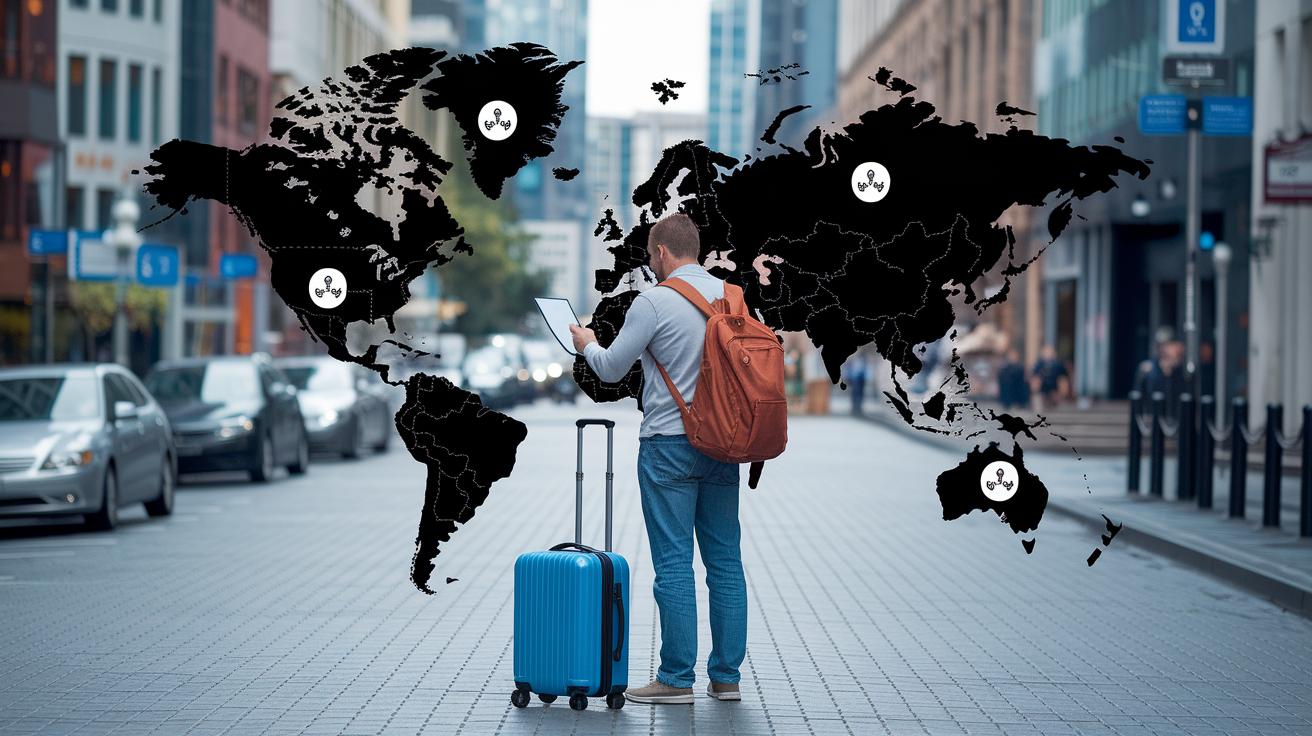
Before you travel, check which illnesses may affect your destination. Diseases like malaria, dengue, chikungunya, and typhoid can be a risk in many areas. Food poisoning and other stomach bugs might also trouble you, especially where hygiene is different from home. Look at trusted sources such as the CDC for the latest updates. This helps you plan vaccinations and pack the right medications.
Pay close attention to local health alerts. They offer real-time advice on how infections might be spreading. These updates point out areas with a high risk of insect-related diseases. By following them, you can tweak your plans to stay safer and reduce your chance of getting sick.
Food and water safety are key. Stick to bottled or properly filtered water. If needed, use water purification tablets to be extra safe. When trying street food or meals served outdoors, choose spots that look clean and busy. Bringing along hand sanitizer or wipes can also help keep foodborne illnesses away.
Don’t forget protection against mosquitoes. In areas with many insects, use a repellent that contains DEET, wear long sleeves and pants, and even pack a small mosquito net if you plan to sleep in vulnerable spots. These simple steps can make a big difference in helping you enjoy your trip without health worries.
Emergency Response Protocols for Travel Medical Preparedness
When emergencies hit, having a clear plan can keep you calm and safe. It helps to know the difference between medevac and repatriation. Medevac means getting you quickly to the nearest suitable hospital, while repatriation sends you back home. That’s why many experts say it’s smart to have travel insurance that covers medevac. Global rescue apps and 24/7 telehealth memberships can also be lifesavers when you need help fast.
Crafting an Emergency Action Plan
As soon as you arrive, jot down local emergency numbers. List nearby clinics, hospitals, and pharmacies along with your embassy or consulate contact. Keep printed copies in your carry-on and save digital versions on your phone. Don’t forget to add contacts for emergency pharmacies in case you need quick access to medicine. With these details at hand, you can act quickly if a crisis arises.
Locating and Engaging Medical Services
Download mobile apps that help you find hospitals or clinics nearby. These tools show live updates on wait times and services available, saving you precious time. You might also consider a travel service membership that offers telehealth consultations and medevac coordination. This gives you direct access to medical advice and clear steps for evacuation, no matter where you are. Such preparations ensure you get prompt care, even in unexpected situations.
Digital Tools for Travel Medical Preparedness

Digital apps can make managing your travel health a breeze. Look for tools that let you store your health documents, send real-time alerts, and even offer telehealth visits when you need a quick check-up. For example, TravWell keeps your health records safe and reminds you of important tasks, while CDC apps update you on vaccine dates and tickborne disease info. With these tools, you can stay organized and find help fast if you need it.
When you’re abroad, having translation tools on your phone is key. Apps that translate complex medical terms into your language can remove the stress of confusion at pharmacies or clinics. Plus, GPS-based emergency apps can show you nearby hospitals or clinics in unfamiliar places. Check out travel tech recommendations to pick the best translation and mapping apps for your journey.
Make sure to sync your digital records and set up alerts for your dosage schedules and appointments. Store digital copies of your insurance, vaccination records, and prescriptions in one secure app. This simple setup lets you update your health info easily and share it with local medical providers whenever necessary.
Final Words
In the action, this post breaks down key steps for travel medical preparedness. It guides you through pre-trip health checks, building your emergency kit, scheduling vaccines, and organizing essential documentation. We cover managing medications, assessing destination health risks, and mapping out emergency protocols. Digital tools further support your planning so you can stay on top of travel alerts and records. This practical guide to travel medical preparedness gives you clear, actionable tips for a safer and smoother trip. Happy travels and safe planning ahead!
FAQ
Practical guide to travel medical preparedness pdf
A practical guide to travel medical preparedness PDF provides clear, step-by-step instructions on pre-trip health checks, vaccination planning, and essential emergency kit items to keep you safe when traveling.
Practical guide to travel medical preparedness cdc
A practical guide to travel medical preparedness from the CDC outlines important health checks, vaccine recommendations, and emergency planning tips to help you prepare confidently for international travel.
Practical guide to travel medical preparedness 2021
A practical guide to travel medical preparedness 2021 offers updated advice on required vaccinations, health checks, and travel kit essentials, meeting the safety challenges specific to that travel year.
Practical guide to travel medical preparedness 2022
A practical guide to travel medical preparedness 2022 provides current recommendations for pre-trip health assessments, vaccination requirements, and assembling a robust travel medical kit based on recent safety needs.
Practical guide to travel medical preparedness covid
A practical guide to travel medical preparedness COVID includes special measures such as updated vaccination tips, health risk assessments, and additional precautions to manage travel safely during the pandemic.
CDC travel vaccines by country
CDC travel vaccines by country detail the recommended immunizations for each destination, helping you understand which vaccines you need before traveling internationally to stay healthy.
Travel medicine list
The travel medicine list outlines key vaccinations, medications, and preventative measures you should consider before your trip, ensuring that your health is prioritized as you prepare for international travel.
Travel medicine kit list
The travel medicine kit list identifies essential items such as bandages, antiseptic wipes, pain relievers, and other basic medications needed to address minor injuries and illnesses on the go.
How to pack medications for travel in 2025?
How to pack medications for travel in 2025 involves organizing doses in pill organizers, carrying prescription copies, and using insulated cases for temperature-sensitive drugs to keep your medications safe and accessible.
How to boost your immune system when traveling?
How to boost your immune system when traveling means maintaining a healthy routine with balanced meals, ample sleep, hydration, regular hand washing, and staying up-to-date with recommended vaccines.
What countries are on high alert for travel?
What countries are on high alert for travel are those flagged by official government advisories due to health or safety concerns, so check updated travel warnings before booking your trip.
What should go in a travel medical kit?
What should go in a travel medical kit includes adhesive bandages, sterile gauze, antibiotic ointment, pain relievers, antihistamines, anti-diarrheal tablets, blister patches, an epinephrine auto-injector, a digital thermometer, and multipurpose tweezers.