
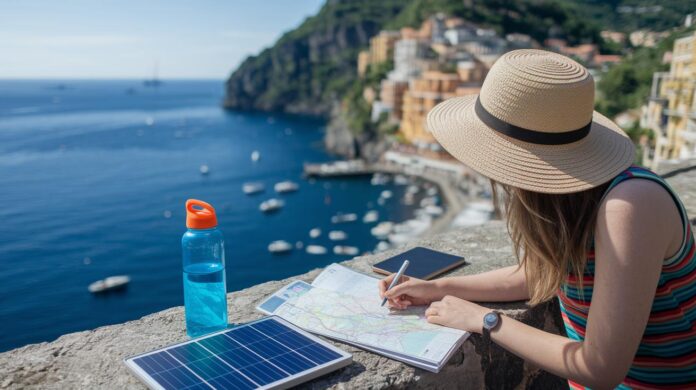
Ever wondered how your trip can help the planet? With sustainable travel, you lower your carbon footprint and support local communities. It’s like packing smart, every choice counts. Choosing eco-friendly lodging or reusing gear helps reduce energy and water use. In this post, we share simple tips to plan trips that respect nature and local customs, making your journey both fun and kind to the world around you.
Key Strategies for Sustainable Travel Planning

Sustainable travel planning means you choose ways to travel that lower your impact on nature while honoring local customs. It covers every part of your journey, from booking your trip to exploring new places. By making thoughtful choices, you save energy, water, and natural resources.
This approach helps reduce your carbon footprint and gives a boost to local communities. When you use eco-friendly tips, you support both nature and people in the areas you visit.
- Use reusable bags, utensils, water bottles, and portable water filters where tap water isn’t safe.
- Save water and energy, especially where these resources are limited.
- Support local shops and restaurants by choosing regionally sourced products.
- Respect wildlife and natural habitats by following local, traditional practices.
- Carry a small bag to collect your trash so you leave no trace.
- Stay in a central area to cut down on long trips, which lowers emissions.
- Check the weather before you leave so you pack smartly and lightly.
- Choose accommodations certified by Global Sustainable Tourism Council, EarthCheck, or Travelife to ensure they meet green standards.
- Learn about local cultural and environmental issues so you can follow local dress codes and traditions.
Each of these steps helps lower travel impacts while supporting sustainable tourism. When travelers make these eco-friendly choices, the positive effects spread to protect nature and help local economies thrive.
Selecting Green Lodging Alternatives in Sustainable Travel Planning

Staying somewhere green is a great way to cut your travel carbon footprint. When you pick eco-friendly hotels or hostels, you save energy and water. Many places now use solar panels and water recycling systems that help protect the environment and encourage smart business practices.
Look for spots that carry certifications from groups like the Global Sustainable Tourism Council, EarthCheck, or Travelife (an eco-certification organization). These badges mean the place meets strict green standards with things like energy-saving lights, smart temperature controls, and clear plans to cut carbon emissions. Some even support local projects that conserve water and lower energy use.
You can use trusted travel booking sites to filter eco-friendly stays. These platforms let you sort and compare accommodations based on their sustainability features, making it simple for you to plan a trip that cares for the planet.
Sustainable Transit Choices for Eco-Conscious Travelers

Your travel choices can make a big difference for the environment. Public transit options like buses and trains usually lower emissions much more than renting a car or taking several connecting flights.
Buses such as FlixBus and Megabus offer low-cost trips between cities. Many train systems also provide smooth travel with fewer emissions. For short distances, local buses and trams help cut down on traffic and pollution. This not only saves energy but also your money.
When flying, picking direct flights is a smart move. Planes burn the most fuel during takeoff and landing, so flying direct cuts back on both fuel use and noise. Check resources like Expedia's 2024 air travel hacks report for tips on greener flight choices.
Sharing rides or renting a car with others is another good option. This approach splits cost and pollution, making it a practical choice for families or groups.
Another tip is to plan your stay from a central location. Staying in one spot can reduce long trips by car. Mixing a few low-impact travel options lets you explore more while keeping your footprint light.
Conservation-Focused Sustainable Itinerary Design

When you plan a nature trip, choose experiences that protect wildlife and support local efforts. You can visit places like the Australian Outback, coral reefs, the Moroccan desert, or the Amazon River while learning how to care for natural habitats. These trips help local communities and teach you how to travel responsibly.
Wildlife and Habitat Respect
When you watch animals, keep a safe distance and follow the advice of experts. Skip attractions that allow unsafe or unregulated animal handling. Instead, look for tours that focus on watching animals responsibly and keeping their homes safe. Ask your local guide for tips on safe practices, and always follow any rules at nature spots.
Nature-Immersive Activities
If you love eco-friendly adventures, pick activities that let you enjoy nature and help protect it. Consider camping in designated areas of the Moroccan desert that follow eco rules, diving on coral reefs with sustainable tours, or taking a canoe trip on the Amazon with local experts. These trips offer a close look at diverse landscapes and back efforts that help nature thrive.
Sustainable Travel Planning: Local Community Engagement

Traveling while supporting local communities enriches your experience and boosts the local economy. When you choose locally owned spots and family-run businesses, you help keep age-old traditions alive. Local restaurants serve seasonal, regionally produced foods that are fresher and produce less waste. By connecting with local artisans, you learn about unique customs and lend a hand to the community.
- Stay local: Pick accommodations owned by community members.
- Eat local: Enjoy seasonal menus at family-run places.
- Shop local: Buy crafts and goods made in the region.
- Learn local: Chat with artisans to understand local traditions.
These simple choices make your trip more genuine while easing overtourism. Supporting the community helps preserve local customs and results in a stronger bond between travelers and residents.
Zero-Waste Sustainable Travel Planning Tools

When you’re on the move, choose reusable items to cut down on waste. Instead of getting single-use toiletries, utensils, or water bottles, opt for refillable alternatives. Bring a portable water filter when tap water isn’t safe. These smart swaps lighten your load, save you money, and help the planet.
Digital tools can simplify your eco-friendly planning. Use mobile apps to find low-impact routes and track your carbon footprint. Try out trip planning tools that offer QR-code guides and even connect you with tree-planting projects. This way, you can plan a trip that cuts both waste and emissions.
Before you pack, check the latest weather updates so you avoid carrying extra stuff. Bring only what you need and pick items that serve more than one purpose. For example, a small kit of reusable utensils paired with a refillable water bottle is all you need. This approach keeps your travel light, efficient, and truly zero-waste.
Final Words
In the action, you’ve learned practical ways to cut waste and save energy. The post covered tips like reducing plastic use, selecting green lodging, and choosing low-emission transit. You saw how to build itineraries that support local culture and protect nature.
We broke down zero-waste tools and conservation practices in clear steps. Sustainable travel planning for eco-conscious travelers can transform your trips into smart, greener escapes. Enjoy your next eco-friendly outing!
FAQ
Q: What are some examples of sustainable travel planning for eco conscious travelers?
A: Sustainable travel planning for eco conscious travelers includes using reusable water bottles and utensils, packing light based on weather research, booking accommodations with eco certifications, and supporting local, low-carbon businesses.
Q: What sustainable travel practices help reduce environmental impact?
A: Sustainable travel practices focus on reducing waste and energy use. They include carrying reusable items, planning geographically central bases to minimize transport emissions, and engaging in responsible tourism that respects local customs and ecosystems.
Q: How do eco friendly travel companies and sustainable travel companies support green tourism?
A: Eco friendly and sustainable travel companies offer tours and accommodations that follow strict green standards, use energy-saving measures, and work with local communities to conserve resources and reduce overall carbon output during your travels.
Q: What characterizes eco friendly travel destinations and sustainable travel destinations?
A: Eco friendly travel destinations and sustainable travel spots prioritize conservation and community engagement. They feature practices like reducing plastic waste, protecting natural habitats, and supporting local artisans while providing memorable, low-impact experiences.